What Is Made of Aluminum: A Complete Guide to Uses and Alloys
What is made of aluminum? Many everyday products and heavy-duty goods rely on aluminum.
You’ll find it in cars, airplanes, packaging, construction materials, and even electronics. Its lightweight yet strong nature makes aluminum a popular choice across industries.
Aluminum alloys give products extra strength or corrosion resistance. Pure aluminum is soft.
But mixing it with elements like magnesium or silicon creates tougher materials. That’s why you see different grades of aluminum in specific uses.
Aluminum’s ability to conduct heat and electricity also makes it useful. You’ll find it in electrical wiring, heat sinks, and cooking utensils. Its resistance to rust helps these items last longer in tough conditions.
Recycling aluminum saves energy and resources, so much of it is reused. The metal stays valuable over and over, reducing the need for fresh mining. Keep that cycle going by recycling your cans and scraps.
Key Takeaways
- Aluminum forms the frame of most cars and airplanes due to its light weight.
- Foil, cans, and packaging often use aluminum for protection and easy recycling.
- Construction materials like window frames and siding benefit from aluminum’s corrosion resistance.
- Mixing aluminum with other metals creates alloys that fit different strength needs.
- Recycling aluminum uses just 5% of the energy needed for new metal production.
- About 75% of all aluminum made is still in use today, mostly recycled.
What Products and Goods Are Made of Aluminum?
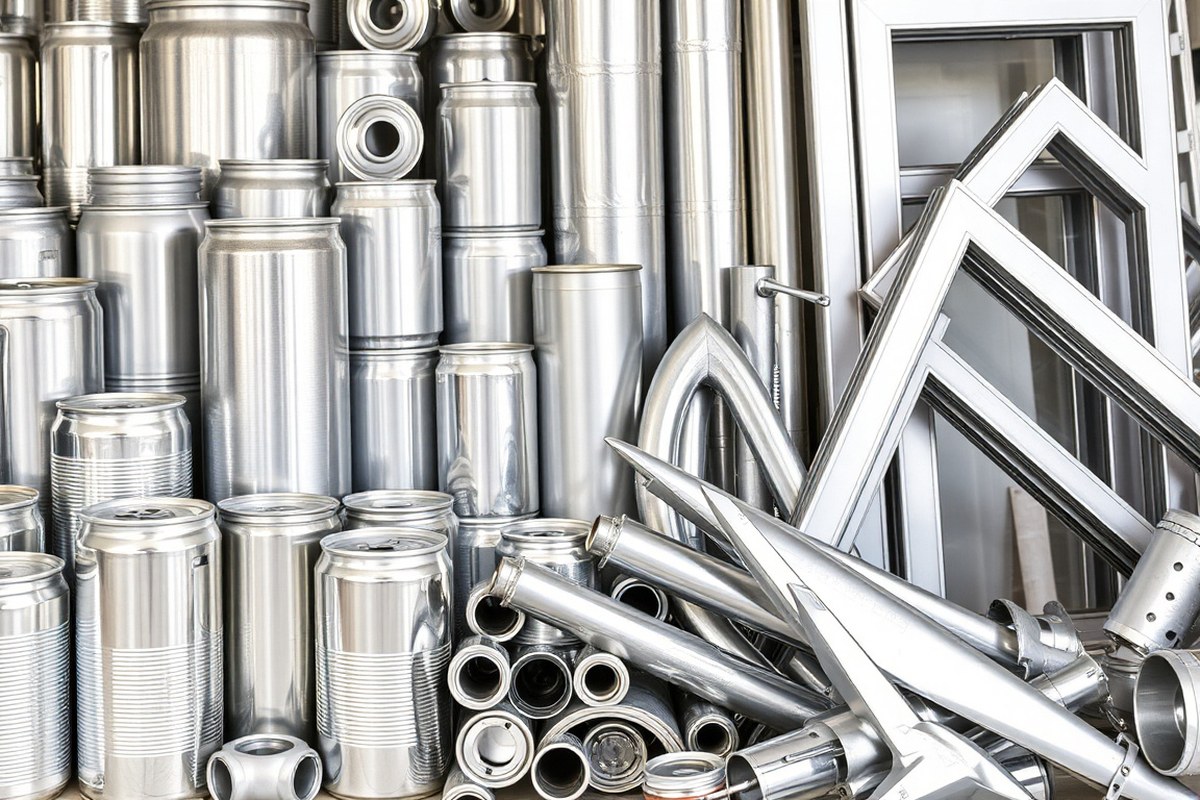
Many everyday products you use daily contain aluminum or aluminum alloys. You’ll find aluminum in smartphones and laptops because it’s lightweight and helps manage heat. Cookware often uses aluminum for its excellent heat conductivity and resistance to corrosion.
In industry, aluminum plays a big role in vehicle parts, aircraft components, and packaging materials. It is chosen for its strength and low weight. This helps improve fuel efficiency.
It also boosts overall performance. Manufacturers mold aluminum alloys into shapes.
They make shapes for specific needs. Then they send them for final assembly.
- Smartphones and laptops for heat management and lightness
- Cookware like pots and pans for fast, even heating
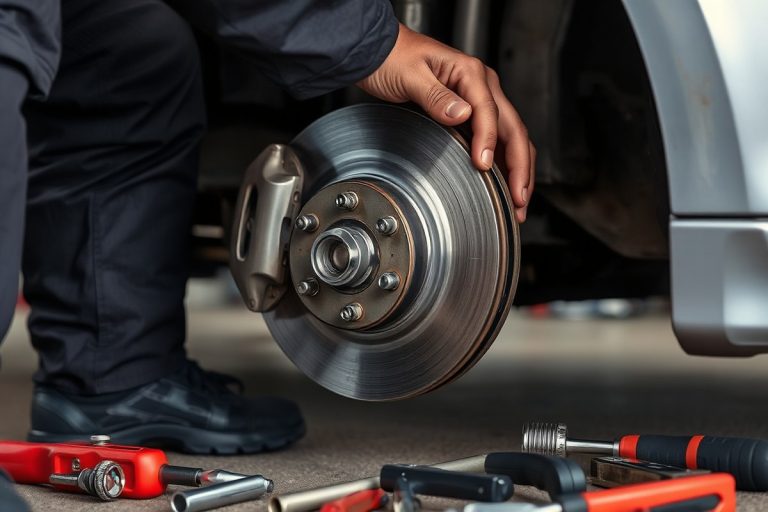
- Automotive parts to reduce weight and increase fuel efficiency
- Aerospace components for strength and durability at low weight
- Food and beverage cans for corrosion resistance and recyclability
- Window frames and building materials that resist weathering
- Electrical wiring and appliances for conductivity and durability
Aluminum’s corrosion resistance, strength-to-weight ratio, and recyclability make it especially useful. These qualities allow it to last long without rusting and help reduce energy costs in transport. Recycling aluminum also saves about 95% of the energy required to make new metal.
Pure aluminum rarely appears in products. Most aluminum products have alloys. These contain small amounts of other elements.
These alloys tailor properties like hardness, flexibility, or strength for specific jobs. This mix ensures the final product meets demands without adding extra weight or cost.
Which Aluminum Alloys Are Most Common and Why?
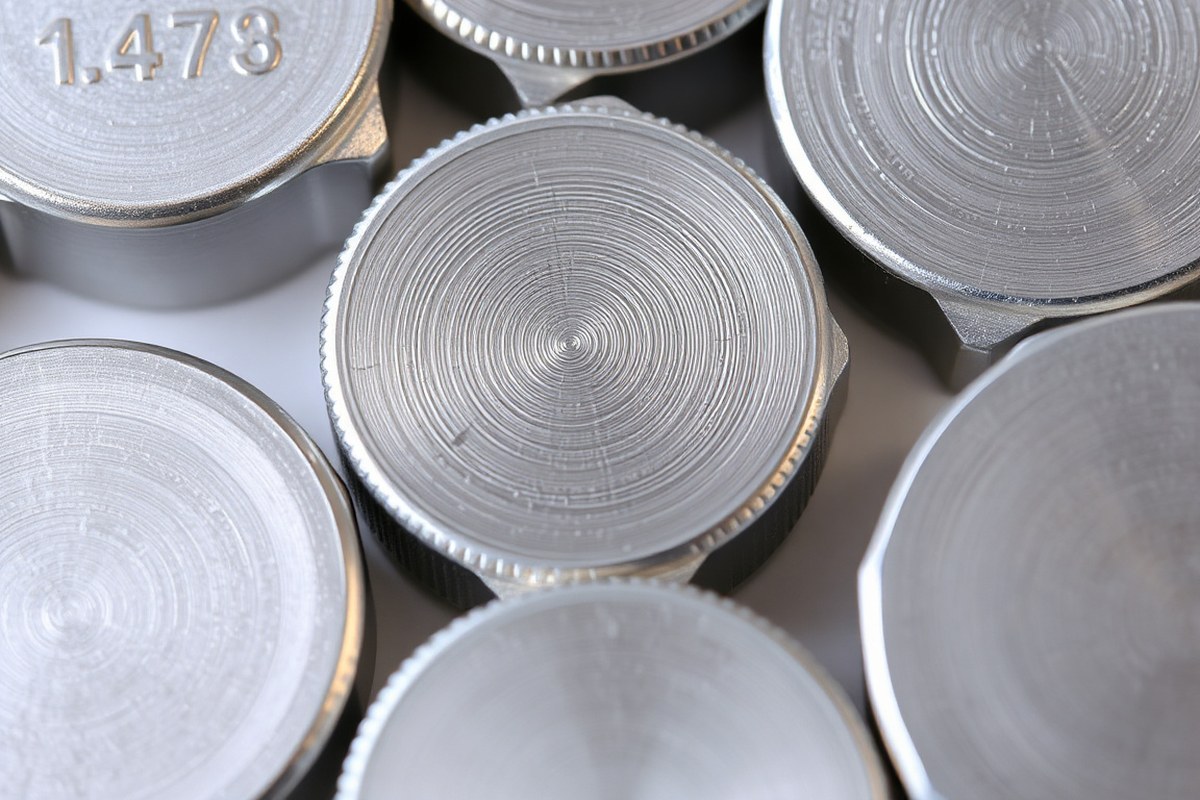
Aluminum alloys are grouped into series based on their main alloying elements. These elements change the alloy’s strength, corrosion resistance, and workability. Common series include 1000, 2000, 5000, 6000, and 7000 alloys.
Each has a unique mix designed for specific tasks. They fit different needs in manufacturing and materials science.
1000-Series: Pure Aluminum Variants
The 1000-series alloys are mostly pure aluminum, with at least 99.5% aluminum content. This purity gives them excellent corrosion resistance and high electrical and thermal conductivity. They are softer and weaker than many other alloys.
This softness makes them easier to form and work with. You get more shaping options with these alloys.
These alloys usually work well for wiring, chemical gear, and packaging. Corrosion resistance and electrical conductivity matter more here than strength.
Their toughness isn’t as important in these uses. For example, aluminum 1050 is common in electrical cables because of its conductivity.
2000 And 7000 Series: High-Strength Alloys
The 2000-series alloys use copper as the main alloying element. Copper raises strength and hardness but lowers corrosion resistance. These alloys are common in aerospace and automotive parts, where strength matters.
The 7000-series focuses on zinc, often combined with magnesium and copper. They provide the highest strength among aluminum alloys but are less corrosion resistant. 7000-series alloys are found in aircraft frames and sports equipment.
Both series often require heat treatment to reach their high strength levels.
5000 And 6000 Series: Corrosion-Resistant and Workable Alloys
The 5000-series mainly contains magnesium, which improves corrosion resistance and strength moderately. These alloys resist seawater corrosion, making them common in marine and automotive uses.
The 6000-series combines magnesium and silicon for a balance of strength, corrosion resistance, and good machinability. They are common in structural parts, construction, and engine blocks. Both series are easier to weld and form compared to 2000 and 7000 series.
Here is a comparison table showing key features of these common aluminum alloy series. It highlights main alloy elements, strength levels, and typical uses.
| Alloy Series | Main Alloying Element(s) | Strength Level | Corrosion Resistance | Common Applications |
|---|---|---|---|---|
| 1000 | 99.5%+ Aluminum (pure) | Low | Excellent | Electrical wiring, chemical equipment |
| 2000 | Copper (Cu) | High | Poor to Fair | Aerospace, automotive |
| 5000 | Magnesium (Mg) | Moderate | Good (especially seawater) | Marine, automotive |
| 6000 | Magnesium + Silicon (Mg, Si) | Moderate | Good | Structural, construction, engine blocks |
| 7000 | Zinc (Zn) + Magnesium + Copper | Very High | Poor to Fair | Aerospace, sports equipment |
Knowing these alloy types helps you pick the right aluminum for your needs. Strength, corrosion, and machinability differ by alloy and affect overall cost and performance. The choice depends on whether you prioritize durability, weight, or ease of shaping.
Use alloys with magnesium for outdoor or marine parts to avoid corrosion damage.
How Is Aluminum Made from Ore to Metal?
Aluminum starts as bauxite, a common ore rich in aluminum compounds. The ore is refined into alumina using the Bayer Process. Then alumina is smelted into aluminum metal with the Hall-Héroult Process, which uses electrolysis.
Bauxite Mining and Refining via Bayer Process
Bauxite is the main source of aluminum. It contains aluminum oxides mixed with dirt, iron, and other minerals. Mining bauxite involves removing this ore from open pits in tropical or subtropical regions.
The Bayer Process extracts alumina from bauxite by treating it with hot sodium hydroxide. The sodium hydroxide dissolves the aluminum compounds, leaving waste called red mud behind. This method was developed in 1887 and remains the industrial standard.
Producing Alumina: Calcination and Purification
After dissolving bauxite, alumina hydrate forms in solution. It’s then filtered to remove impurities and washed. This wet cake is heated in rotary kilns or fluidized bed calciners at about 1000°C.
The heating removes water molecules, turning the hydrate into pure alumina powder (Al₂O₃). Roughly two tonnes of alumina make one tonne of aluminum metal. Alumina looks like a white, powdery solid ready for smelting.
Smelting Aluminium with the Hall-Héroult Process
The Hall-Héroult Process turns alumina into pure aluminum metal by electrolysis. It dissolves alumina in molten cryolite, which melts around 1000°C, inside carbon-lined steel pots. Electric currents pass through, breaking alumina into aluminum and oxygen.
The freed aluminum sinks to the bottom and is periodically collected. Oxygen combines with the carbon lining to form carbon dioxide gas.
This step uses a lot of electricity. It consumes about 156 megajoules of energy per kilogram of aluminum.
The Hall-Héroult Process has been in use since 1886, handling almost all commercial aluminum production worldwide.
- Mine bauxite ore from open pit mines in suitable regions.
- Crush and grind the bauxite to increase surface area.
- Mix crushed bauxite with hot concentrated sodium hydroxide solution.
- Separate undissolved impurities (red mud) by sedimentation or filtration.
- Cool the sodium aluminate solution to precipitate aluminum hydroxide.
- Filter and wash the aluminum hydroxide solids.
- Heat aluminum hydroxide (calcination) at 1000°C to yield alumina powder.
- Smelt alumina by electrolysis in molten cryolite using the Hall-Héroult cell.
- Collect molten aluminum formed at the cell bottom for further processing.
How Is Aluminum Recycled and Why Is It Important?
Recycling aluminum saves a lot of energy, only about 5% of what new aluminum takes. The process melts scrap into new metal fast. This lowers costs and helps protect the environment by cutting emissions.
Collection and Sorting of Aluminum Scrap
Sorting aluminum scrap begins the process. It comes from cans, car parts, and manufacturing offcuts. Clean scrap makes recycling quicker and more efficient.
Collections happen at curbside pickups, recycling centers, and drop-off spots. Workers separate aluminum from other metals and materials by hand or machine.
Melting and Refining Recycled Aluminum
Recycling melts aluminum scrap at about 1220°F (660°C). This uses far less energy than starting from ore. It means less fuel burned and fewer emissions.
During melting, impurities are skimmed off to keep metal pure. Hot slurry leftover contains sodium aluminate which plants reuse to save energy. This refining step keeps the metal ready for new products.
Casting Recycled Aluminum into New Products
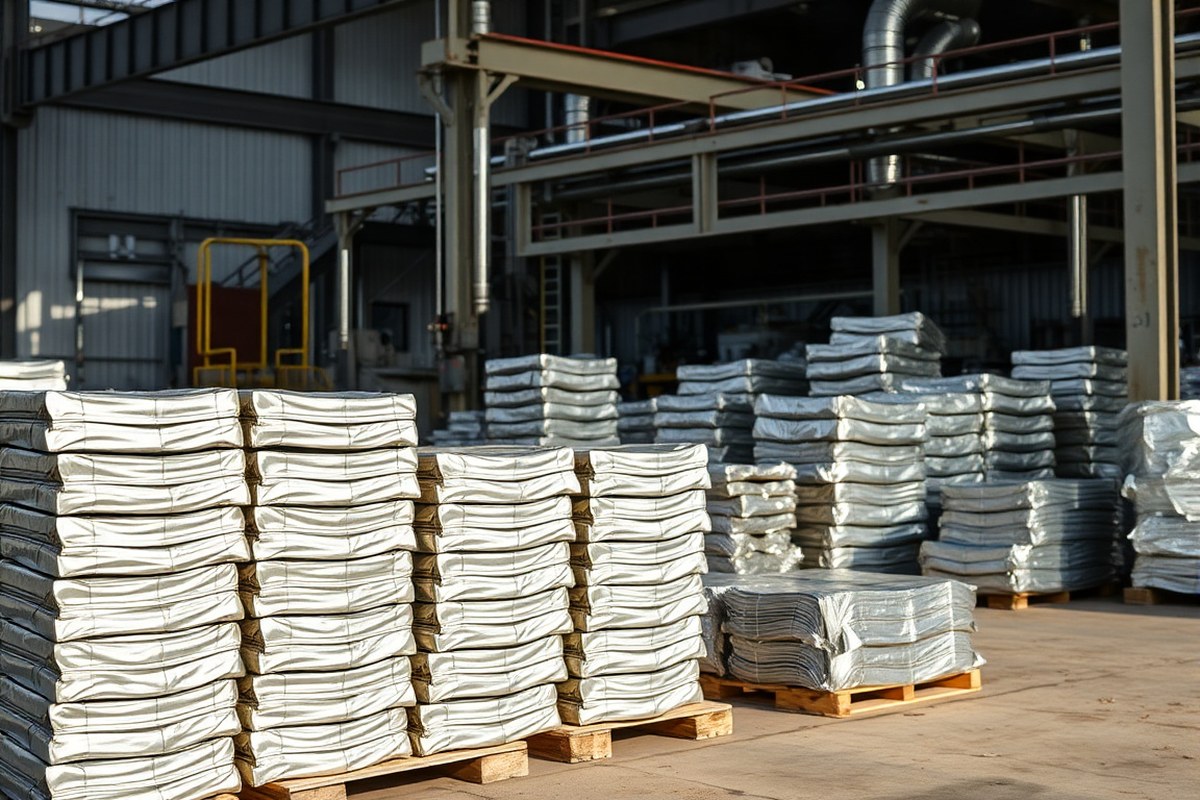
Molten aluminum is poured into molds or rolled into sheets. The process shapes the metal quickly for reuse in cans, parts, or construction materials. Cool times are short, so aluminum can be recycled and back on shelves fast.
Many recycled cans return to shelves in under 60 days. Using recycled aluminum cuts energy needs and emissions by about 95%. This benefits both business and planet.
Here are the key steps in the aluminum recycling process:
- Collect aluminum scrap from consumers and industries.
- Sort the scrap by type and remove contaminants.
- Shred or crush aluminum for easier melting.
- Heat scrap to melting point around 1220°F (660°C).
- Remove impurities from the molten metal surface.
- Refine molten aluminum using techniques like flux or filtration.
- Cast or roll aluminum into usable forms.
- Distribute recycled aluminum for new manufacturing.
What Properties Make Aluminum Suitable for Various Applications?
Aluminum is lightweight because it has a low density of about 2.7 grams per cubic centimeter. At the same time, aluminum alloys gain strength by adding metals like copper, magnesium, or manganese. Pure aluminum is soft.
Mixing aluminum with other metals gives a good balance of lightness and strength. This makes it strong enough for building structures. Aluminum alloys suit many structural uses.
Its natural corrosion resistance makes aluminum last outdoors. A thin oxide layer forms on its surface when exposed to air, protecting the metal underneath. Protection differs among aluminum alloys.
Some need extra coatings in tough conditions. Others handle corrosive elements better without additions.
Aluminum’s electrical and thermal conductivity is another asset. It conducts electricity about 60% as well as copper but weighs only one-third as much. This quality suits aluminum for power lines and heat sinks.
It helps carry electricity well. It also manages heat efficiently.
- Lightweight, with a density around 2.7 g/cm³
- Strength improved by mixing with metals like copper or magnesium
- Natural oxide layer provides corrosion resistance outdoors
- Alloy-specific corrosion resistance suited for different environments
- Good electrical conductor, lighter than copper at the same conductivity
- Excellent thermal conductor for heat management
Aluminum alloys vary, so pick one that fits your project. For outdoor use, consider alloys with proven corrosion resistance, like aluminum 3004.
In electrical applications, use alloys that combine conductivity with strength. Proper surface treatments help prevent corrosion beyond natural protection.
Always check the alloy type before use; strength and corrosion resistance differ widely.
How Does Aluminum Compare to Other Common Metals?
Aluminum is much lighter than steel, weighing about one-third as much. It can get as strong as steel when mixed with magnesium. Silicon or copper in an alloy can also boost strength.
These metals help aluminum become much tougher. Copper boosts aluminum’s strength, making it harder and stronger for many uses.
Steel is generally stronger than pure aluminum but is heavier and costs less. Copper is stronger than aluminum but also much heavier and more expensive. Aluminum’s light weight gives it an edge in applications needing low mass, like airplanes or cables.
| Metal | Relative Weight | Strength | Typical Cost | Recyclability |
|---|---|---|---|---|
| Aluminum (alloyed) | 1 (base) | Similar to steel (with alloys) | Higher than steel | 100%, nearly 75% still in use |
| Steel | 3 (about 3x aluminum) | Higher than aluminum (by weight) | Lower than aluminum | High, but less energy efficient recycling |
| Copper | 3 (similar to steel) | Stronger per volume than aluminum | Much higher than aluminum or steel | Good but less recycled than aluminum |
The cost difference matters, but consider weight too. Aluminum costs more but weighs a third of steel’s weight. This lowers shipping and handling costs, balancing the price difference.
Aluminum is also the most recycled metal. Nearly 75% of all aluminum made is still being used. Recycling aluminum saves energy, making it cheaper and better for the environment.
What Are Safety and Environmental Considerations with Aluminum?
Aluminum manufacturing poses health risks mainly due to inhaling dust and fumes. Workers in smelting plants often face high exposure levels. This exposure may harm their lungs.
It can also affect their nervous system. Using proper ventilation and protective gear helps reduce these risks on-site.
Bauxite mining, the first step in aluminum production, can cause deforestation and soil erosion. Mining also disrupts wildlife habitats and reduces biodiversity temporarily. Land reclamation can restore mined areas but takes time and careful planning.
Handling aluminum materials safely means protecting yourself from sharp edges and fine particles. Wearing gloves prevents cuts, and using dust masks avoids breathing in aluminum dust. Keep work areas clean to stop dust from spreading where you work or live.
- Wear a respirator or mask during aluminum grinding or sanding.
- Use gloves to avoid cuts from aluminum sheets or scraps.
- Ensure good ventilation in manufacturing or workshop areas.
- Store bauxite waste to prevent soil and water contamination.
- Recycle aluminum scraps to reduce new ore mining and energy use.
- Follow workplace safety regulations and warning signs.
- Properly dispose of industrial aluminum waste according to local laws.
The aluminum industry uses lots of energy, creating environmental challenges. Recycling aluminum helps lower this demand by more than 80 percent in the U.S. This saves energy and reduces pollution linked to raw ore processing and smelting.
People with kidney issues should avoid aluminum exposure because their bodies clear it slowly. No solid proof ties aluminum exposure to neurological diseases for most people. Still, workplaces limit exposure to protect workers’ health long-term.
How Is Aluminum Used in Transportation and Aerospace?
Aluminum is favored in aircraft construction because it offers a high strength-to-weight ratio. This means planes stay strong yet much lighter than if they used steel. Saving weight reduces fuel use and lets planes carry more passengers or cargo.
Special aluminum alloys, like 7075, provide extra strength for aircraft frames and structural parts. These alloys resist fatigue and corrosion, which matter as airplanes face varied weather and constant stress. Manufacturers pick alloys based on strength, weight, and corrosion resistance to optimize safety and performance.
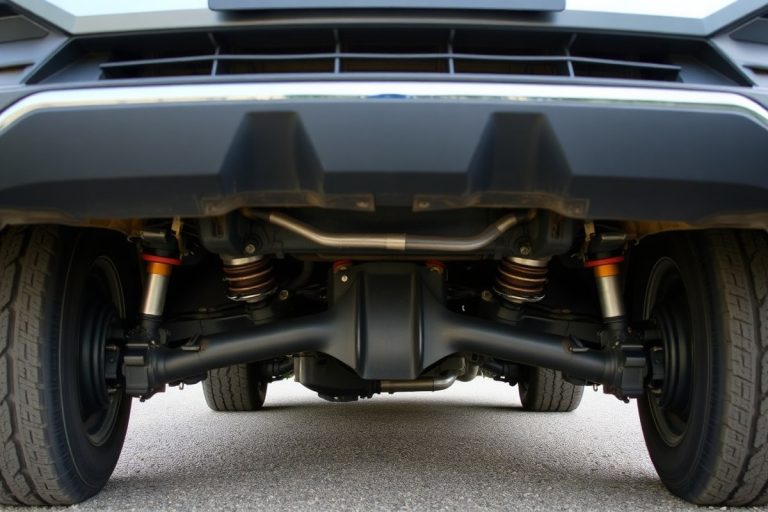
Cars also benefit from aluminum’s lightness. Swapping steel for aluminum parts cuts vehicle weight. This boosts fuel efficiency or battery range in electric cars.
Aluminum’s corrosion resistance helps cars last longer without rust problems. It appears in body panels, frames, and battery housings.
- Aircraft use aluminum alloys such as 7075 for frames and aircraft skin.
- Trains include aluminum parts to reduce weight and maintenance needs.
- Electric cars use aluminum for battery housings and structural elements.
- Ships and boats gain corrosion resistance and lighter weight from aluminum.
- Aluminum alloys help trains run more energy efficiently and reduce wear.
Choosing the right aluminum alloy depends on the transportation mode’s needs. Aerospace demands the highest strength alloys with good corrosion resistance.
Automakers balance weight, cost, and formability when selecting alloys. Trains and ships prioritize corrosion resistance and durability for long service life.
Aluminum needs proper treatment during manufacture. This prevents fatigue and failure in transport use.
In spacecraft, aluminum alloys provide structural strength without adding excess weight. Reducing mass is important to limit launch costs and improve mission range. Aluminum’s thermal properties also help manage temperature extremes in space.
What Are Some Specialized Uses and Emerging Innovations with Aluminum?
Aluminum plays a key role in renewable energy, especially in solar panels for satellites. Its low weight and corrosion resistance matter in space where durability is important. You can expect these panels to keep working for many years without heavy maintenance.
Aluminum alloys serve high-temperature applications by combining elements like silicon, copper, and nickel. These mixtures provide strength and resistance above normal aluminum’s limits. For example, alloy 2219 works well where you need high strength and weldability at improve heat.
In manufacturing, the main challenge remains reducing emissions from carbon anodes during production. Making 2 pounds of aluminum needs about 15 kWh of electricity. It also uses nearly half a pound of carbon anode.
This shows how energy and materials weigh on production. This makes cleaner production technologies critical for cutting the carbon footprint.
New methods aim to improve energy efficiency by tweaking the smelting process or recycling better. Recycling aluminum requires less energy, so increasing its rate helps lower overall emissions. When choosing aluminum for green projects, look for those made with newer, energy-saving methods.
For high-temperature needs, copper-aluminum alloys provide added heat resistance and machinability. Copper adds toughness, allowing parts to handle wear and thermal cycling. Your project runs hot?
Choose these alloys for better lifespan. They do this without raising costs too much.
Solar energy devices need aluminum that stays stable in outdoor conditions without warping or corroding. To ensure performance, manufacturers roll specific alloys like aluminum 3003 into thin sheets. Want to build or repair solar arrays?
Use alloys tested for long-term outdoor use. These alloys stand up better over time.
The future of aluminum production focuses on cutting down carbon output, mainly from anode use. Watch for innovations including inert anodes or alternative technologies that lower the emitted CO₂. These take time and investment but offer big gains for clean manufacturing.
Your First Steps to Understanding and Using Aluminum
Here’s a simple plan to help you grasp aluminum’s key uses and care. Follow these steps to learn and apply your knowledge effectively.
- Day 1: Identify aluminum products around you to see its everyday uses. Check items like cans, window frames, or kitchen utensils.
- Day 3: Learn the common aluminum alloys and why each suits specific tasks. Notice how some are tougher and others lighter.
- Week 1: Read about aluminum’s production process from ore to metal. Understand the energy involved and environmental steps.
- Week 2: Research aluminum recycling programs near you and how recycling benefits the planet. Try recycling some aluminum items.
- Week 3: Compare aluminum to steel or copper for strength. Check their weight differences too. Look at the cost for your projects or hobbies.
- Week 4: Explore aluminum safety tips and environmental impacts. Note any rules for handling and disposing of aluminum products.
- Week 5: Check out how aluminum is used in transportation, aerospace, and new technologies. Notice its role in modern design.
- Week 6: Try a small DIY project with aluminum. Make a simple frame or a tool handle. Use what you learned so far.
Frequently Asked Questions
What Everyday Items Are Commonly Made of Aluminum?
Everyday items include beverage cans, window frames, cookware, and foil. Aluminum is light and resists corrosion well.
It works great for these uses. It saves energy and lasts a long time.
Is Aluminum Used in Sports Equipment?
Yes, aluminum is popular in bikes, baseball bats, and golf clubs. Its light weight helps athletes move faster and reduces fatigue during play.
What Household Products Often Contain Aluminum Components?
Many appliances, furniture, and light fixtures use aluminum parts. It’s chosen because it resists rust and keeps products looking new for years.
Can Aluminum Be Found in Packaging Besides Cans?
Aluminum foil and trays are common for food packaging. They protect foods from heat, light, and moisture while being easy to recycle.
Is Aluminum Used in Electrical Wiring or Electronics?
Aluminum is used in some electrical wiring and smartphone parts. It conducts electricity well and is lighter than copper, though copper remains more common for wiring.
Wrapping Up
Aluminum’s widespread use comes from its unique traits and recyclability. Start noticing and using aluminum smartly today. Try to recycle or repurpose some aluminum items around you.