Why Does Stainless Steel Rust? 9 Essential Facts and Prevention Tips
Why does stainless steel rust when it’s supposed to resist corrosion? Stainless steel rusts because its protective chromium oxide layer can break down. This happens if the steel lacks enough chromium or if the surface gets damaged or contaminated.
Chromium must be at least 10.5% of the steel to keep rust away. When the chromium layer remains intact, it stops oxygen and moisture from causing rust. But scratches, dirt, or salt can expose the steel to rusting.
Using the right stainless steel grade and keeping it clean helps prevent rust. For salty or harsh environments, 316 stainless steel is better because it contains molybdenum. Remember to rinse off salt and avoid surface damage to keep rust at bay.
Key Takeaways
- Stainless steel needs at least 10.5% chromium to resist rust effectively.
- Grade 316 stainless steel resists salt damage due to added molybdenum.
- Scratches and dirt damage the protective chromium oxide layer and cause rust.
- Rinsing off salt and contaminants reduces the chance of rust forming.
- 304 stainless steel works well for most indoor and dry environments.
- Choose the right stainless steel grade based on your environment’s conditions.
Why Does Stainless Steel Rust Despite Its Corrosion Resistance?
Stainless steel stops rust by having at least 10.5% chromium inside. This chromium meets oxygen in the air and forms a thin layer. This layer blocks air and water from reaching the metal under it.
The chromium oxide layer acts like a shield, protecting stainless steel from rust and corrosion. It forms quickly and repairs itself when scratched. This self-healing property helps stainless steel maintain its rust resistance for many years in normal conditions.
However, the protective layer has limits. Harsh environments like salty air or continuous moisture can weaken or damage this chromium oxide film. Chlorides from salt or chemicals can damage the protective layer.
Moisture stuck on the surface also causes damage. This stops the layer from fixing itself.
When the chromium oxide layer breaks, iron gets air and water contact. This contact starts the rusting process on the stainless steel. This exposure causes rust to form just like on regular steel.
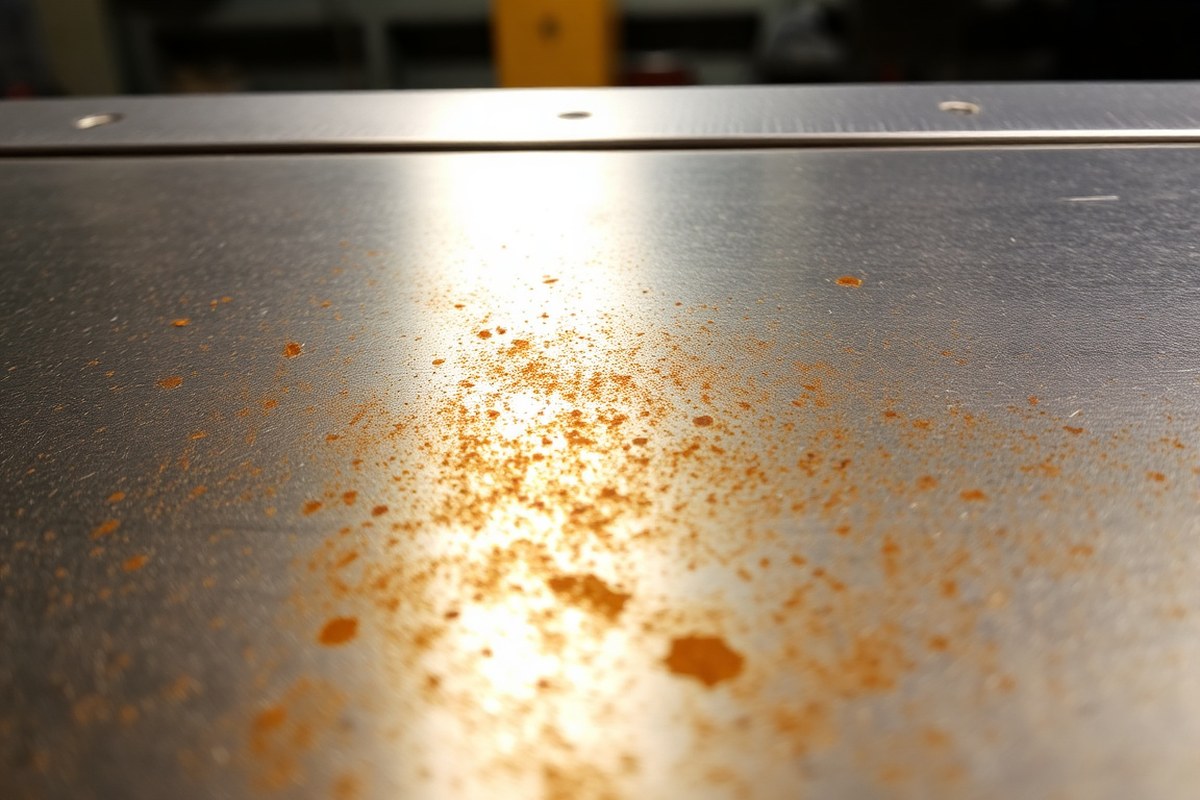
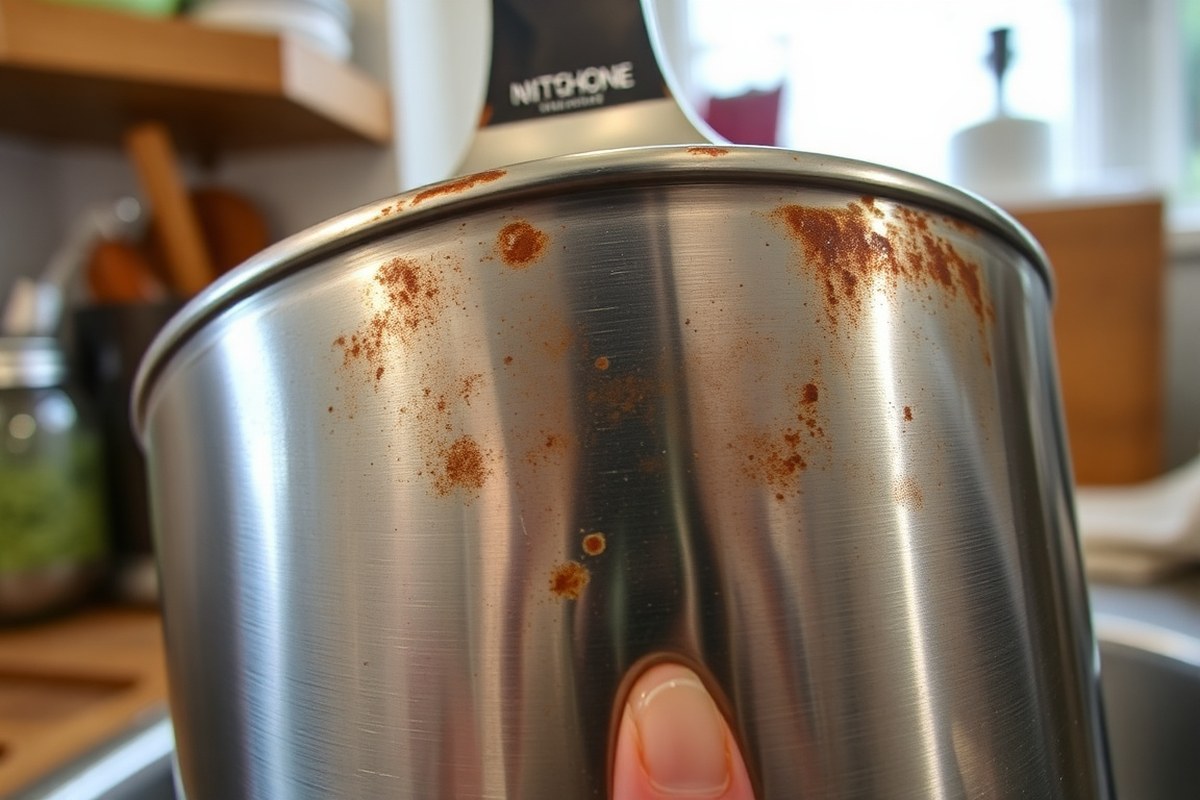
Rust looks like reddish-brown spots on the steel’s surface. These spots show up near scratches or welds. This happens where the protective layer is thin or missing.
Stainless steel with less than 10.5% chromium or a poor alloy mix also struggles to maintain the protective layer. Lower chromium grades rust more easily because they cannot produce a strong chromium oxide film. Passivation treatments can restore the oxide layer if it becomes damaged.
Avoid leaving stainless steel where it sits in salty water. Keep it away from strong chemicals for a long time. Doing this stops rust from forming quickly.
Use brushes that aren’t steel for cleaning stainless steel. Mild acid baths help restore the chromium oxide layer.
These methods keep the rust protection strong. These steps keep the steel rust-free and protect its natural corrosion resistance.
How Different Stainless Steel Grades Affect Rust Resistance
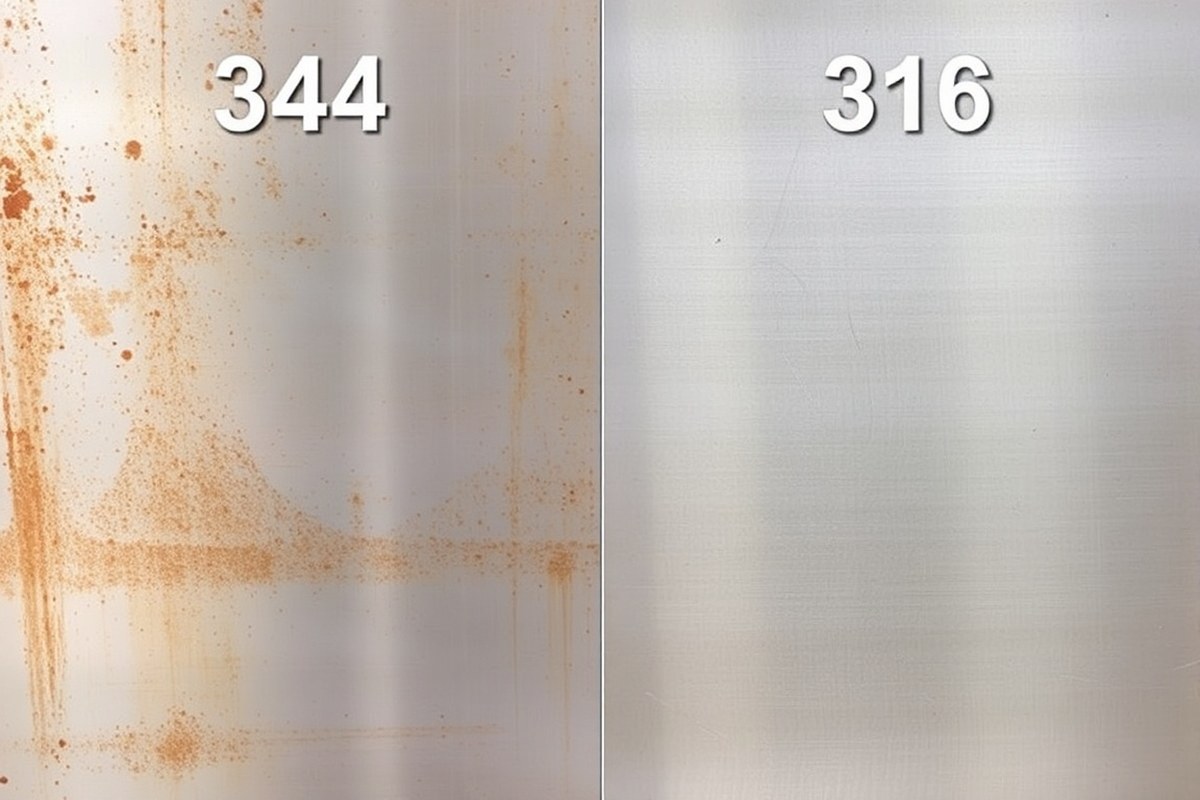
Stainless steel grades differ mainly by their alloy content, which affects rust resistance. Chromium creates a protective layer to stop rust. Molybdenum improves resistance to chlorides, which cause rust in saltwater.
Grade 304 has about 18% chromium and 8% nickel. It works well for general indoor use but can rust near salt or chlorides.
Grade 316 adds 2 to 3% molybdenum, helping it resist rust better in marine environments. Duplex grades add even more strength and chloride resistance by combining austenitic and ferritic structures.
| Grade Type | Examples | Rust Resistance | Typical Use |
|---|---|---|---|
| Austenitic | 304, 316 | High (316 best for chlorides) | Appliances, cookware, marine |
| Ferritic | 430 | Moderate | Indoor use, cost-effective |
| Martensitic | Various | Lower | Cutlery, tools, structural parts |
| Duplex | 2205 and others | High | Structural, chemical industry |
Low-carbon or stabilized versions like 304L, 316L, or 316Ti prevent rust near welds. These grades resist sensitisation from heat. After welding, passing and cleaning help rebuild the chromium oxide film for better protection.
For saltwater or coastal areas, pick 316 or duplex grades. They handle chlorides longer without rusting. Using the wrong grade, like 304 in salty air, leads to early rust spots.
Use only tools dedicated to stainless steel to prevent iron contamination and rust.
Environmental and Chemical Factors That Promote Rusting
Salt and chlorides are big troublemakers for stainless steel. Chloride ions from salt, coastal air, or pool water cause damage. These ions break down the thin chromium oxide protective film.
Without this film, corrosion can start easily on stainless steel. This attack causes tiny pits that grow deeper over time, which is called pitting corrosion.
Humidity also plays a role by keeping the surface moist and helping chloride ions move. High humidity, especially near salty environments, speeds rust by letting corrosion start faster. Damp air alone can cause stainless steel to lose protection.
This process happens slowly over time. Even small moisture levels affect the protective layer.
Certain chemicals are harsh on stainless steel too. Strong acids like hydrochloric, sulfuric, and hydrofluoric acid can eat away the surface.
These acids damage the passive layer badly, allowing corrosion to spread. Industrial pollutants containing such acids make corrosion worse around factories and urban areas.
- Chloride ions from salt and pool chemicals break the passive film.
- High humidity keeps metal surface wet, encouraging corrosion.
- Acids like hydrochloric and sulfuric acid corrode stainless surfaces.
- Salt spray near oceans carries chlorides that pit the metal.
- Trapped moisture in crevices prevents drying, speeding rust.
- Industrial pollutants combine acidity and moisture for faster corrosion.
- Deposits or dirt hold chlorides on surfaces longer.
This pitting is different from surface rust caused by iron particles embedded on stainless steel. Pitting damages the steel itself and can cause leaks or failure. To avoid this, use stainless steel grades like 316, which resist chlorides better.
Rinse off salt and chemicals quickly. The longer they stay, the worse the damage gets.
Mechanical and Surface Contamination Causes of Rust
Any scratch or abrasion breaks the thin oxide film on stainless steel. This film is key because it protects the metal underneath from rusting. Once damaged, the exposed steel can start to oxidize and rust quickly.
Iron contamination happens when tiny bits from carbon steel tools stick. These particles land on stainless steel surfaces as dust. They can cause problems later.
These iron bits rust on their own, leaving brown spots called tea staining. The rusted particles can spread corrosion by damaging the surrounding stainless steel.
Welding often causes heat tint or weld sensitization. High heat makes chromium inside the steel combine with carbon and move away from the surface. Chromium protects stainless steel by forming a thin oxide layer.
Without enough chromium, this layer gets thinner. That thinning creates a spot that might rust.
You can tell contamination rust and real metal rust apart by a few simple checks. Look for rust spots that appear randomly and only on surface dirt or particles. Genuine rust usually shows along scratches, welds, or areas with discoloration.
Wipe the area with a clean cloth soaked in a mild acid cleaner like diluted vinegar. Rust stains that wipe off easily usually mean surface contamination is the cause. Persistent rust after cleaning points to true metal corrosion.
Heat tint looks like a rainbow or bronze discoloration near welds. It doesn’t always have rust but signals chromium depletion.
Use a color chart or magnifier to check its extent, especially on food-grade stainless steel. Avoid aggressive cleaning that can damage the steel more.
Iron particle contamination often results from using tools or brushes that touched regular steel. Prevent this by only using stainless steel brushes and clean work areas.
Special iron removers cost about $10 to $30 per quart. They break down rust safely without damaging the stainless steel.
Fixing mechanical damage usually needs polishing or passivation to restore the oxide layer. This takes a few hours depending on the surface and tools.
Poorly done repairs leave uneven surfaces that trap dirt and worsen rust risks. A smooth, shiny finish means the steel is ready to re-form its protective coating.
Common Types of Corrosion Affecting Stainless Steel
Stainless steel can suffer many kinds of corrosion. These include pitting, crevice corrosion, stress corrosion cracking, and uniform corrosion. Each type affects stainless steel differently.
Each forms in specific conditions and impacts the metal differently. Knowing how each type develops helps you detect and prevent rust effectively.
Pitting Corrosion
Pitting corrosion causes small, deep holes or pits on stainless steel surfaces. It happens when chlorides break down the passive oxide layer protecting the steel. You’ll spot tiny rust-colored spots that look like tiny craters.
Pits often appear around welds or scratches where the passive layer weakens. Once a pit starts, it grows fast. The pit traps chlorides and acids inside.
This makes the environment inside very aggressive. This localized attack can perforate the steel if untreated.
Crevice Corrosion
This corrosion occurs in shielded spots or crevices where water or moisture stays trapped. That trapped moisture often has low oxygen, which weakens the passive layer on the metal. Common places include under gaskets, washers, or metal overlaps.
Crevices get acidic and full of chlorides. This speeds up corrosion in the crevice.
Nearby metal might still look fine. It often starts slowly but can expand beneath the crevice, damaging hidden areas and causing failure.
Stress Corrosion Cracking
Stress corrosion cracking occurs in stainless steel exposed to tensile stress. A corrosive setting must be present simultaneously for cracking to start. Chlorides trigger crack growth rapidly at specific temperatures, leading to unexpected breaks.
Grades like 2205 Duplex with added molybdenum resist SCC better. Still, components under constant stress, like bolts or pipes near welds, are more at risk. Cracks often form near heat-affected zones after welding.
General Corrosion
General or uniform corrosion affects the whole stainless steel surface evenly. This kind of cracking is less common in stainless steel.
It happens if the protective layer is badly damaged or removed. Exposure to harsh chemicals or high temperatures raises this risk.
This corrosion reduces the metal’s thickness gradually. Signs include dulling or slight rust coloring on the surface. It’s usually slower and easier to control than localized forms like pitting or crevice corrosion.
Here’s a table summarizing these corrosion types, their main causes, and prevention tips:
| Corrosion Type | Main Causes | Prevention Tips |
|---|---|---|
| Pitting Corrosion | Chlorides, passive layer damage, weld areas | Use molybdenum-improve grades; clean surfaces regularly |
| Crevice Corrosion | Trapped moisture, low oxygen, crevices under fittings | Design to avoid crevices; seal gaps; dry surfaces |
| Stress Corrosion Cracking | Tensile stress plus chlorides at moderate temps | Reduce stress; choose duplex steel; control temp |
| General Corrosion | Widespread damage to passive layer, harsh chemicals | Avoid harsh environments; maintain passive layer |
Keep stainless steel clean and dry, especially in hidden spots, to slow corrosion starting points.
How Welding and Heat Treatment Influence Rust Formation
Welding stainless steel can cause rust by changing its structure near the weld. Heat from welding triggers carbide particles to form at grain boundaries. Low-carbon or stabilized stainless steels reduce this problem by limiting carbide buildup.
Heat-Affected Zone Corrosion
Welding heats stainless steel enough to cause chromium carbides to form along grain boundaries. These carbides use up chromium that normally protects against rust.
Without enough chromium, the metal next to the weld corrodes more easily. This is called sensitization, which makes the heat-affected zone more vulnerable to rust.
Intergranular corrosion happens mainly near the weld bead where heat changes the metal. The rust may appear as reddish-brown streaks or pits close to the welded joint. Sensitive stainless types show this problem worse, especially those with higher carbon content.
Low-Carbon and Stabilized Grades
Low-carbon grades like 304L or 316L have less than 0.03% carbon to prevent carbide formation. By keeping carbon low, these steels avoid chromium depletion around welds. Stabilized grades such as 316Ti bind carbon with titanium to stop chromium carbides from forming.
Using these grades greatly reduces the risk of rust near welds without costly post-weld heat treatments. They work well for projects where welding is frequent or the environment is harsh. Choosing stabilized or low-carbon steel upfront saves time and money later.
Post-Weld Cleaning Methods
Cleaning after welding removes surface contamination and restores corrosion resistance. Use mechanical and chemical methods to get rid of heat tint and carbides near the weld. Proper cleaning helps protect against rust and improves the weld’s appearance.
Follow these steps to clean stainless steel after welding:
- Allow the weld to cool naturally to room temperature.
- Wire brush the heat-affected zone using a stainless steel brush.
- Apply an acid pickling paste or solution designed for stainless steel.
- Let the acid sit for the recommended time, usually a few minutes.
- Rinse thoroughly with clean water to remove all acid residue.
- Dry the stainless steel completely with a clean cloth or air dry.
- Inspect the weld zone for any remaining discoloration or deposits.
- Repeat acid treatment if rust or heat tint remains after drying.
This cleaning costs vary but retail acid paste ranges around $30 to $50 per quart. Wire brushes cost about $5 to $15 each. Post-cleaning prevents rusting that leads to costly repairs or early replacement.
Effective Methods to Prevent Rust on Stainless Steel
Choose the right stainless steel grade first. For saltwater locations, marine-grade 316 is best. It handles chlorides better than common grades and cuts rust risk significantly.
Matching the alloy to chemical exposure and temperature keeps the metal tougher. A higher grade costs more but will reduce corrosion problems over time.
Design matters too. Sloping surfaces to avoid water pooling helps. Stagnant moisture sits in corners and crevices, causing rust spots.
Avoid tight joints and rough welds that trap dirt or salt. Good design eases cleaning and lets rain or rinsing wash contaminants away.
Careful cleaning supports the protective passive film on stainless steel. Use mild detergent and soft cloth or brush. Rinse with clean water and dry fully after washing.
Avoid steel wool or harsh abrasives that scratch the surface and open the door to corrosion. Cleaning every few months removes deposits and restores the surface.
- Select marine grade 316 stainless for saltwater or high chloride use.
- Design parts with drainage and smooth welds to prevent water traps.
- Clean regularly with gentle soap, rinse well, and dry completely.
- Keep carbon steel tools and dust away when handling or working.
- Consider clear protective coatings like polyurethane or acrylic to add barrier protection.
- Inspect surfaces for stains or pits and act fast to remove contamination.
- Use passivation treatments to restore the chromium oxide layer after fabrication.
Contamination by carbon steel or iron particles causes rust stains. Avoid using carbon steel brushes or touching stainless steel with rusty tools.
Wear gloves and keep areas clean during cutting or welding. Protect finished surfaces with plastic or tape until installation completes.
Applying a transparent coating can add rust protection, especially outdoors. Clear polyurethane or acrylic sprays make cleaning easier and block corrosive agents. They cost less than $20 per can.
Each can covers about 100 square feet. They last about a year when used outdoors. Reapply annually in harsh conditions for best results.
Passivation treatments restore the natural chromium oxide film, improving corrosion resistance. These acid baths remove free iron from stainless surfaces after cutting or welding.
Many fabricators offer passivation, or you can use commercial kits following instructions carefully. Maintaining this layer keeps stainless steel rust-resistant longer between cleanings.
Safe and Practical Ways to Clean and Remove Rust from Stainless Steel
Removing rust from stainless steel safely involves gentle cleaning and avoiding harsh abrasives. You can often fix light rust with household items like vinegar or baking soda easily. For tougher rust, use commercial products designed for stainless steel without scratching the surface.
Household Cleaning Methods
Light rust stains can usually be cleaned with white vinegar or baking soda paste. Both are mild acids safe for stainless steel’s finish if used carefully. Applying vinegar or paste softens rust, making it easier to wipe away without damage.
Follow these steps for a safe household rust removal:
- Mix baking soda and water into a thick paste.
- Apply paste or vinegar to the rusted spot and let sit 10 minutes.
- Scrub gently with a soft cloth or nylon brush in circular motions.
- Rinse thoroughly with warm water to remove all residue.
- Dry immediately with a clean towel to prevent water spots.
- Repeat if rust remains, but avoid metal scrubbers or wire brushes.
Never use steel wool or carbon steel brushes; they can add more rust.
This method is affordable and easy but only suits surface rust. Deep rust requires stronger treatment methods.
Commercial Rust Removers
Specially formulated stainless steel cleaners remove rust without scratching the metal. These products usually contain mild acids like acetic acid safely balanced for metals. They clean various stains, including tea stains and rust, restoring a shiny surface.
Use commercial rust removers by applying a small amount to the affected area. Let it sit according to the label instructions, typically 5 to 15 minutes. Then scrub gently with a designated non-metallic pad and rinse with water.
Commercial removers cost from $8 to $20 for small bottles and work well for persistent rust. Always test on a small hidden spot first to ensure no discoloration.
When to Call a Professional
Professional cleaning is needed when rust covers large industrial surfaces or deeply damages metal. Experts use sandblasting or industrial rust removers safely without harming stainless steel. These methods require special equipment and protective gear, not suitable for DIY.
If rust persists despite your cleaning or the surface feels rough or pitted, contact a specialist. Professionals can also perform passivation treatments to restore corrosion resistance. Expect higher costs, but professional care prevents further damage and expensive replacements.
Recognizing When Rust Indicates Material Fault or Contamination
Rust on stainless steel often looks alarming but may only be surface contamination. Dirt, iron particles, or steel wool remnants cause rusty spots that don’t affect the metal itself. Wipe the surface with a soft cloth and a gentle cleaner.
See if the rust lifts off easily. Do not use abrasive materials that can scratch the metal.
True corrosion digs into the metal surface deeply. You’ll see pitting, rough patches, or discoloration. These marks won’t scrape away with normal cleaning.
Check spots exposed to chemicals, saltwater, or scratches. These areas may lose their protective chromium oxide layer. That damage makes corrosion more likely.
Rust that stays after cleaning usually means corrosion has formed. Cleaning alone won’t remove this deeper rust.
Testing stainless steel quality helps confirm if rust signals a material fault. A simple magnet test tells you the steel’s type. Most stainless steels are non-magnetic, but some grades like 400 series are magnetic.
Magnetism alone doesn’t prove corrosion. But it guides you to the grade and its expected corrosion resistance.
Another test is the chloride spot test, which detects chloride ions that cause rust. You apply a small solution then observe discolouration after 24 to 48 hours. High levels of chlorides increase the chance of corrosion damage.
Watch for this in salty or chemical environments. You can send metal samples for lab tests to measure chromium levels. The tests check if chromium meets the 10 percent needed for protection.5% minimum for stainless steel.
Replace stainless steel if rust spreads below the surface or causes structural weakening. For example, thin sheets or parts with pitting deeper than 0.1 inches often lose strength and may fail in use.
Rust flakes that come off and reveal bare metal show corrosion is bad. Cleaning alone won’t fix this kind of damage anymore.
Follow this rust test: clean the rusted area first. See if the rust wipes off easily or stays stuck. Use a magnet to estimate the steel grade.
Perform a chloride test or seek a lab report if corrosion is suspected after cleaning. Consider replacement if corrosion reaches beyond superficial rust or compromises strength.
Step-by-Step Action Plan to Keep Your Stainless Steel Rust-Free
Follow these steps to protect your stainless steel and keep rust away. This plan helps you spot problems early and fix them fast.
- Before you start: Choose the right stainless steel grade for your project. Look for 304 or 316 if you expect exposure to moisture or salt.
- Day 1: Clean the surface with warm water and mild soap. Check that the steel looks shiny and free of dirt or grease.
- Week 1: Apply a thin coat of a stainless steel polish or protectant. You’ll see a light sheen that resists fingerprints and water spots.
- Month 1: Inspect your stainless steel for any small rust spots or scratches. Spot rust? Clean it immediately with a gentle abrasive cleaner.
- Every 3 months, rinse your stainless steel with fresh water. Do this especially after salt or chemical exposure. Make sure to dry it fully with a soft cloth.
- Every 6 months: Review any welded areas or joints for discoloration or rust. Using a passivation spray can restore corrosion resistance if needed.
- After any damage, remove surface contaminants like iron particles. Use a stainless steel brush or a clean cloth. Look for a uniform, clean shine without rough spots.
- Annually: Replace or repair badly corroded parts. This prevents rust from spreading deeper and causing structural problems.
Frequently Asked Questions
Why Is Stainless Steel Still Prone to Rust in Salty Environments?
Salt breaks down chromium oxide on stainless steel surfaces, causing rust. Use at least 316 grade stainless steel near saltwater for better protection.
Can Scratches on Stainless Steel Lead to Rust?
Yes, scratches remove the protective chromium oxide layer. Clean and polish scratches quickly to prevent rust spots.
Why Does Weld Heat Make Stainless Steel More Likely to Rust?
Heat can reduce chromium concentration near welds, weakening rust resistance. Clean welds properly and use post-weld treatments to restore protection.
Is It Normal for Stainless Steel to Develop Tiny Rust Pits over Time?
Yes, localized pitting can happen as the oxide layer breaks down in harsh conditions. Regular cleaning helps spot and fix pits early.
How Can Contamination from Iron Particles Cause Rust on Stainless Steel?
Iron particles left on stainless steel surfaces corrode and cause rust spots. Avoid cross-contamination by using dedicated tools and thorough cleaning.
Key Points to Remember
Stainless steel can rust when exposed to tough conditions or damage. Taking simple care steps stops rust early and protects your metal. Start by choosing the right grade for your environment today.