Does Natural Gas Sink or Rise? Clear Answers and Safety Tips That Work
Does natural gas sink or rise indoors? Natural gas rises because it is lighter than air. Methane makes up most natural gas.
It is about 40 times lighter than air. That’s why natural gas rises quickly indoors. Knowing this helps you place gas detectors in the right spots and keep your home safe.
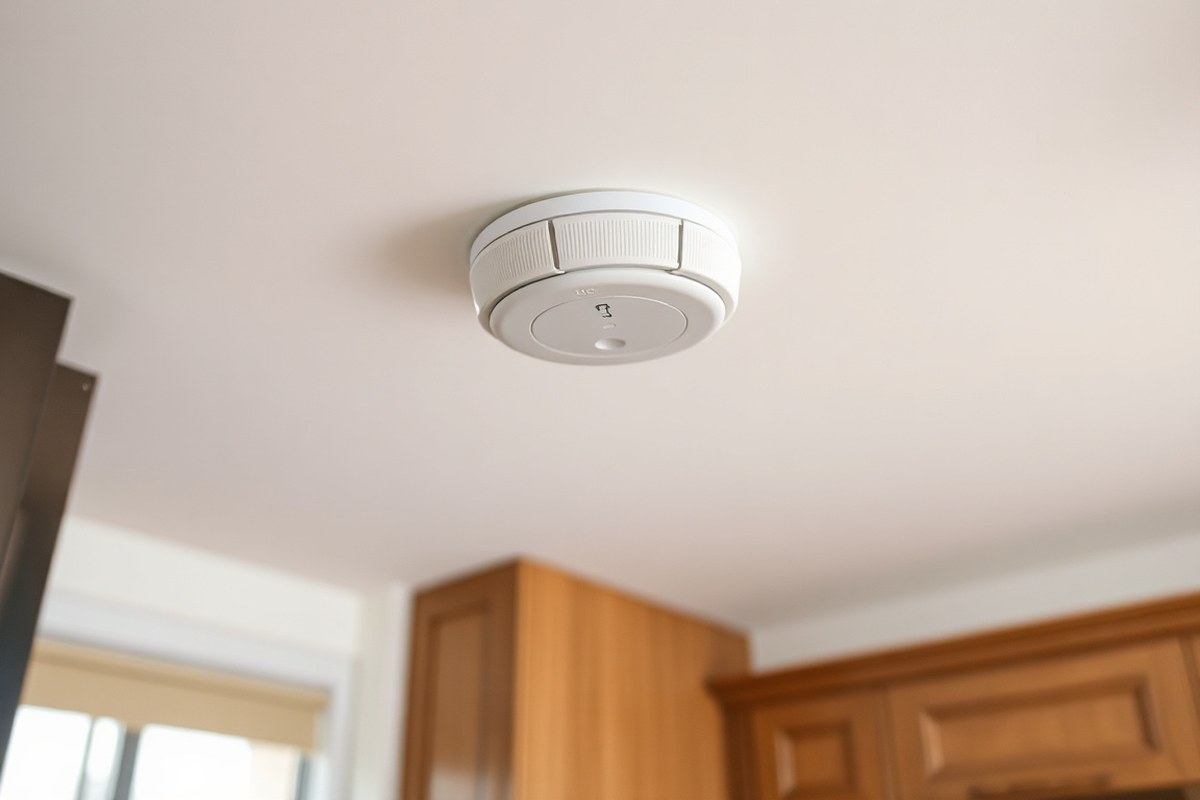
Natural gas tends to collect near the ceiling. Install gas detectors high on walls or ceilings. This helps catch leaks sooner.
Place them within 10 feet of gas appliances and about six inches from the ceiling. This way, you catch any leaks quickly before gas fills the room.
Always keep good ventilation around your gas appliances. Fresh air can help disperse any small leaks naturally, lowering risk. Watch for a rotten egg smell near your equipment.
Listen for hissing sounds too. These often signal a gas leak.
Key Takeaways
- Natural gas rises indoors since its specific gravity is less than 1.
- Install gas detectors within 10 feet of natural gas appliances.
- Mount detectors about six to twelve inches below the ceiling level.
- Good ventilation helps disperse natural gas and reduces leak risks.
- Learn the rotten egg smell; it signals a natural gas leak.
- Check gas detectors regularly to ensure they work properly.
Does Natural Gas Sink or Rise Indoors?
Natural gas rises indoors because it is lighter than air. Its primary component, methane, has a molecular weight of about 16 grams per mole. This weight is much less than air’s average.
Natural gas is buoyant. It rises upwards.
Natural gas is mostly methane, about 70 to 90 percent. This makes it lighter than air. Natural gas is lighter than air.
When it leaks, it climbs to the ceiling. It won’t sink. Install natural gas detectors near the ceiling or high on a wall.
Keep them within 12 inches of the ceiling. This helps catch leaks early.
Understanding that natural gas rises matters for safety and detection. Methane has no color or smell. Mercaptan is added to give it a strong smell you can notice.
Natural gas moves upward when it leaks. It can gather near high points or room corners. Because it disperses upward, gas that leaks near the floor generally won’t linger there long.
How Specific Gravity Determines Gas Movement
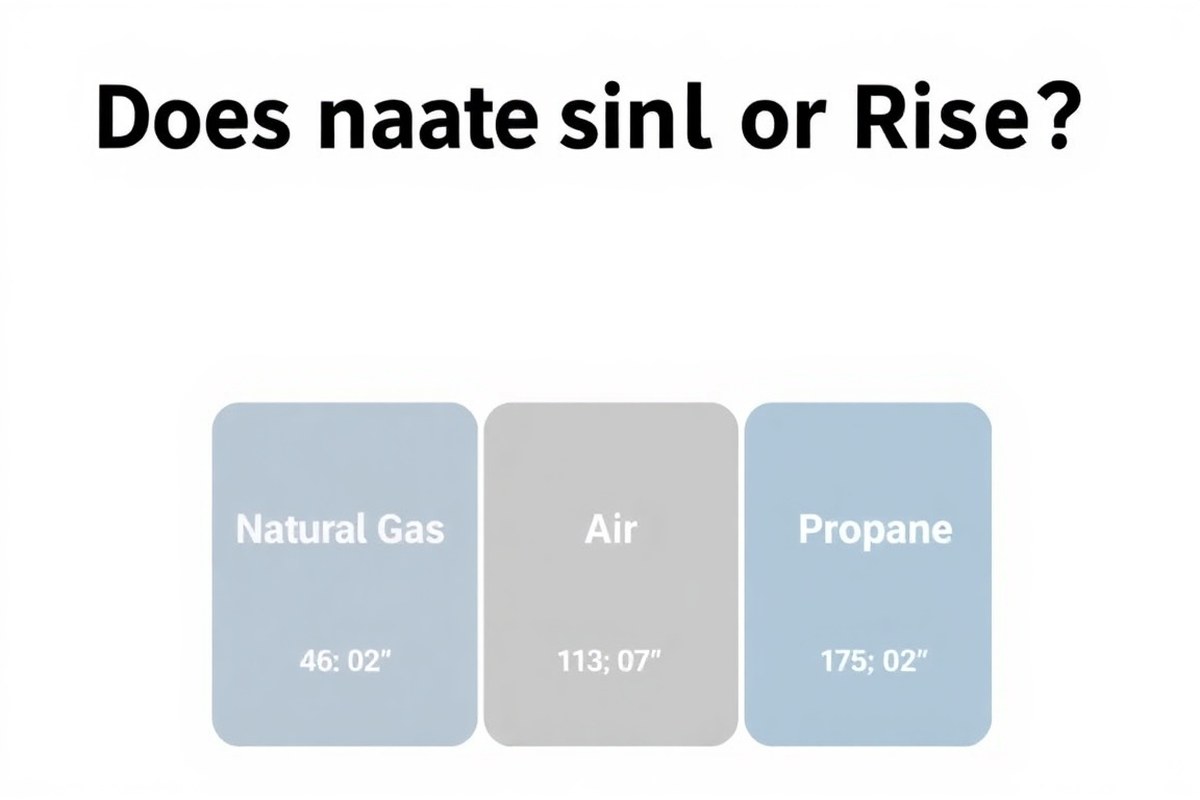
The specific gravity of a gas shows its density compared to air. When the specific gravity is less than 1, the gas is lighter. It will rise in the air.
When the specific gravity is more than 1, the gas is heavier. It sinks down low.
This matters inside your home because it affects where gas collects during a leak. Natural gas, mostly methane, has a specific gravity around 0.55, so it rises quickly. Propane and other LPG gases have specific gravities above 1.
This means they are heavier than air. They tend to settle near the floor.
| Gas | Molar Mass (g/mol) | Specific Gravity (vs. Air) |
|---|---|---|
| Methane (Natural Gas) | 16.04 | ~0.55 |
| Air (average) | 28.97 | 1.00 |
| Ethane | 30.07 | ~1.04 |
| Propane (LPG) | 44.10 | ~1.52 |
| Butane (LPG) | 58.12 | ~2.00 |
Gases lighter than air float upward because the surrounding air pushes them up. Heavier gases fall because they weigh more than air molecules. Gases that match air density tend to stay mixed or disperse slowly.
The exact natural gas mix can change its specific gravity a little. But it’s almost always less than 1.
This difference affects safety device placement and ventilation strategies. For example, gas detectors for natural gas should be placed high, near the ceiling.
For propane leaks, detectors belong lower or near the floor. This keeps you aware of gas buildup where it actually happens.
Always follow manufacturer instructions for gas detector placement to match your gas type’s behavior.
How Long Does Natural Gas Take to Dissipate Indoors?
Natural gas usually dissipates from a room within several minutes to a few hours. The exact time depends on room size, ventilation, and gas temperature. Warm gas leaks spread faster because warm gas rises quickly.
Warm gas also mixes easier with the air. This makes the leak spread faster indoors.
Tightly sealed spaces like attics or utility closets trap gas longer. Without airflow, natural gas concentration rises and stays hazardous. Opening a high window or door lets gas escape faster.
Natural gas tends to rise, so higher openings help. This speeds up clearing the gas out.
Natural gas is lighter than air, so it moves upward. This means gas near the ceiling can clear faster if there’s enough ventilation.
In an open room with cross-ventilation, most gas should diffuse within 10 to 30 minutes. Poor ventilation or cold temperatures can extend this time.
Gas detection devices work best near the ceiling because gas collects there first. Ventilate the space right away if you smell gas inside. Open high windows or doors to help gas escape.
Keep the area well aired for safety. Avoid fans that blow at floor level since they may not clear the gas properly.
For safety, never enter a room with strong gas smell until you ventilate it well. Natural gas concentration becomes dangerous quickly indoors. Keep airing the room even after the gas smell stops.
Continue fresh air for 30 minutes to reduce risk. This helps clear out any lingering gas.
Where and How to Place Natural Gas Detectors Safely
Place natural gas detectors high on walls or ceilings to catch rising gas. Follow the manufacturer’s instructions for exact height and room placement. Proper positioning helps detect leaks early and reduces risks of accidents.
Recommended Height for Detectors
Natural gas weighs less than air, causing it to climb toward the ceiling. Place detectors about 6 to 12 inches under the ceiling for proper air testing. Don’t install them near corners or vents where airflow may be limited.
In rooms with windows, install the detector higher than all the windows and doors. This ensures the sensor scans the area where gas accumulates first. Many detector models suggest placement 12 inches below the ceiling or on the ceiling itself.
Distance from Gas Appliances
Keep detectors at least 5 feet away from gas appliances like stoves or heaters. Nearby appliances can emit small amounts of gas during normal operation, causing false alarms. This distance also prevents heat or steam from interfering with the sensor.
Do not place detectors directly above appliances or near vents that blow air from them. The airflow can dilute gas concentrations, delaying detection. Position detectors where gas would naturally gather if a leak occurs, considering room layout and ventilation.
Detector Types and Placement Tips
Fixed natural gas detectors mount permanently on walls or ceilings. Portable versions can move as needed.
Follow each device’s manual closely since sensor types and sensitivities vary. Some units cover entire rooms, while others perform better in corner spaces.
Before installation, check your home’s gas appliances and ventilation system for issues. A qualified HVAC technician can do this safely. This step reduces risks and confirms detector placement makes sense for your home’s gas flow patterns.
- Mount detectors on ceilings or high walls away from corners
- Avoid placing detectors near windows, doors, or exhaust fans
- Keep detectors at least 5 feet from gas appliances
- Install detectors where gas would pool if a leak happened
- Follow the manufacturer’s specific placement advice
- Have a professional inspect gas appliances regularly
- Test detectors monthly and replace batteries yearly
Improper placement risks false alarms or delayed alerts, which can be dangerous. Keep detectors clean and test them after moving or renovating. Good placement helps detect natural gas quickly to keep you and your home safe.
Recognizing Signs and Odors of a Natural Gas Leak
Natural gas has no smell on its own. Gas companies add mercaptan, a chemical that smells like rotten eggs, to help you notice leaks.
You might smell that sulfur smell suddenly, which is a big warning sign. You might hear a hissing or whistling sound near pipes.
This could mean gas is escaping from a pipe or appliance. Act quickly if you notice these sounds.
Besides odor and sounds, plants nearby might die or look unhealthy without a clear reason. You might get headaches, dizziness, or nausea from gas exposure.
Anyone else in the home could feel the same symptoms. It happens when you breathe in small amounts of gas.
- Smell of rotten eggs or sulfur in your home
- Hissing or whistling noise near gas lines or appliances
- Dead, wilting, or unhealthy plants indoors or outdoors
- Unexplained headaches, dizziness, or nausea in household members
- White cloud or dust near a gas leak outdoors (rare)
- Fluctuating pilot lights or burners on gas appliances
Noticing just one sign might mean a serious risk. Call 911 right away if you suspect a leak to keep everyone safe.
Never try to find a gas leak with a flame or spark. Always leave it to professionals.
Quickly spotting the rotten egg smell is your best defense. This odor helps you avoid high gas levels before they cause harm.
How Ventilation Affects Natural Gas Behavior Indoors
Ventilation greatly affects how natural gas behaves indoors by moving the gas and reducing its concentration. Fresh air dilutes the gas and helps it escape, which lowers risks associated with leaks. Natural and mechanical ventilation both play roles, depending on your home’s design and appliances.
Natural Ventilation Strategies
Natural ventilation uses open windows and doors to let fresh air in. Vents also help push stale air out. Together, they refresh the indoor air.
Cross-ventilation happens when you open windows on opposite sides of a room. This airflow helps remove natural gas quickly. It clears the air faster.
This method works best when there’s a breeze outside. It costs nothing but your time.
Keep a window a little open in rooms with natural gas appliances. This lets fresh air in while the appliance runs. It stops gas from building up.
You should refresh indoor air every 30 minutes if you suspect a gas leak. This helps keep gas levels low.
Don’t wait too long to ventilate. A common slip-up is closing all windows and doors, which traps gas and creates hazards.
Mechanical Ventilation Options
Mechanical ventilation uses fans or exhausts to pull out air with gas. Fresh air comes in to replace the old air. This protects your home from gas buildup.
Installing an exhaust fan near gas appliances costs between $50 and $200. The exact price depends on the model and how hard it is to install. Running these fans during and after appliance use speeds gas dispersal safely.
Basements or laundry rooms with gas appliances need exhaust fans. These fans send harmful gases outside. That keeps gas from building up dangerously.
You can use window fans or portable fans near open windows. They push gas-filled air outside.
This helps keep indoor air safe. These fans must vent air outside, never recirculate it inside.
Maintaining Ventilation for Gas Safety
Keep ventilation pathways clear by regularly checking that windows and vents open and close smoothly. Clean the filters when you use mechanical fans.
Make sure the motors run quietly and don’t make strange noises. A broken fan often means poor airflow and higher gas buildup risks.
Run ventilation whenever gas appliances are on. Keep it on for 15 to 30 minutes after using the appliance. This clears out leftover gas.
Never block or seal vents to save energy. Don’t turn off ventilation systems.
They keep gas from building up indoors. The small extra cost for electricity is worth preventing gas hazards.
Comparing Natural Gas and Propane: Sinkers vs. Risers
Natural gas and propane behave differently because of their density compared to air. Natural gas is lighter and rises, while propane is heavier and sinks. Knowing this difference helps you place gas detectors and arrange ventilation properly.
The way these gases move matters for safety. If your detector is in the wrong spot, it might miss a leak.
For natural gas, detectors belong near the ceiling. Propane detectors should be closer to the floor or basement level.
| Property | Natural Gas | Propane |
|---|---|---|
| Density compared to air | Lighter (about 0.6 times the density) | Heavier (about 1.5 times the density) |
| Movement indoors | Rises and collects near ceilings | Sinks and collects near floors |
| Detector placement | High on walls or ceilings | Low near floors or in basements |
| Common safety detectors | Natural gas detectors, combo gas and carbon monoxide | Propane detectors, combo gas and carbon monoxide |
| Typical cost for detector | $30 to $80 for a quality detector | $30 to $80 for a quality detector |
Placement changes how quickly you detect leaks. A natural gas leak stays near the ceiling.
Propane sinks, so a ceiling detector would miss it. Installing the right detector keeps your home safer.
Most detectors handle both natural gas and propane, plus carbon monoxide. Always check the label to confirm what gas the device senses.
Quality detectors cost $30 to $80. Install them according to instructions for best results.
Common Mistakes and Myths About Natural Gas Behavior
Many people think natural gas sinks to the floor because it’s a gas leak hazard. This mistake can lead to wrong detector placement and slow leak detection.
Natural gas is mainly methane, which is lighter than air. It rises toward the ceiling in indoor spaces.
Another myth says natural gas stays trapped near leaks and won’t spread. In reality, natural gas disperses fairly quickly when there’s good ventilation.
Relying on this myth can make people underestimate how fast a leak can fill a room. Proper airflow helps prevent dangerous gas buildup.
Some assume placing natural gas detectors low to the ground works best. Since gas rises, detectors should be higher, about 6 to 12 inches below the ceiling.
Detector placement affects how quickly you’ll get an alert. Avoid placing detectors near windows or vents where airflow may interfere.
- Assuming natural gas sinks like propane, methane is lighter and rises; place detectors high.
- Believing natural gas leaks stay near the source, instead, improve ventilation to disperse gas.
- Installing detectors near the floor, raise them 6 to 12 inches under the ceiling for accuracy.
- Ignoring air currents indoors, avoid windows and vents for sensor placement.
- Waiting on smell before acting, methane is odorless; rely on detectors and proper ventilation.
- Using propane detector tips for natural gas, they behave differently; follow natural gas guidelines.
Correct your response by understanding methane’s lower weight compared to oxygen and nitrogen. Gas detectors cost between $20 and $60. Place them in common leak areas like kitchens or around water heaters.
Check them monthly to make sure batteries and sensors work well. Open windows and doors if you suspect a gas leak.
Keep them open for 15 to 30 minutes. This helps air out the room safely.
Never wait to act if you smell gas. Evacuate and call your gas company outside immediately.
Failing to know how natural gas behaves indoors leads to unsafe practices. Learning where to place detectors and how ventilation helps can prevent dangerous buildup. The right detector placement combined with good airflow lowers the risk of delayed leak detection.
What to Do and When to Call for Natural Gas Leaks
When you smell natural gas, act quickly but safely. Leave your home right away and call for help from outside. Don’t try to find the leak yourself.
Immediate Evacuation Steps
Don’t open any windows or doors before leaving your home. Natural gas is lighter than air and can spread quickly. So ventilating might worsen the situation.
Turn off all gas appliances if you can reach their controls without delay or risk. Leave all lights, electronics, and pilot lights as they are. Do not switch anything on or off, which could create a spark.
Exit your home promptly. Avoid using phones or any device indoors. Go to a safe location away from the building to make your emergency calls.
Who to Contact and When
Once you’re outside and safe, call your gas company or emergency services immediately. Report the smell of gas and your location clearly. Keep the phone away from your home while on the call.
Call a professional right away when pilot light problems or new smells happen during relighting. Never try to fix these issues yourself. For serious leaks or unknown causes of odor, always rely on experts.
A licensed plumber or gas technician can check your system safely. The cost varies, but expect $150 to $300 for inspection and minor repairs. Major fixes can cost more but don’t delay calling for help.
Do’s and Don’ts During a Leak
Do leave your home immediately as soon as you detect gas odor. Do notify your gas provider and emergency responders from a safe spot. Do wait for professionals to declare it safe before returning.
- Do not use any electrical switches or appliances inside the home.
- Do not ignite matches or lighters anywhere near the suspected leak.
- Do not try to find or repair the leak yourself.
- Do not open windows or doors to ventilate before leaving.
- Do conduct regular maintenance on your gas appliances to avoid leaks.
- Do install a natural gas detector to alert you early to leaks.
Ignoring these steps might cause ignition or worsen gas buildup. Taking these steps improves your safety and that of your neighbors. Always wait for professionals before going back inside if you feel unsure.
Step-by-Step Action Plan
Follow these steps to check for natural gas leaks and stay safe in your home.
- Right now: Check your home for the smell of rotten eggs or sulfur. Detect this smell? Open windows and leave your home right away.
- Today: Install natural gas detectors near the ceiling and your gas appliances. Test each unit according to the instructions to ensure it works.
- This week: Inspect gas pipes and connections for signs of wear or damage. See rust or corrosion? Schedule a professional to inspect it soon.
- This month: Practice your gas leak emergency plan with your family or roommates. Confirm everyone knows how to leave safely and call for help.
- Before next winter: Have a licensed professional service your gas furnace and appliances. They can spot leaks and fix ventilation issues.
- After any gas smell: Leave your home immediately. Call your gas company or emergency services from a safe spot. Do not use electronics or flames.
- Once a year: Replace the batteries in your gas detectors and test them again. This keeps them working when you need them.
Frequently Asked Questions
Does Natural Gas Sink or Rise Indoors?
Natural gas rises indoors because it is lighter than air. Methane is mostly what causes this to happen.
It weighs less than air’s nitrogen and oxygen. That’s why it behaves this way.
Why Does Natural Gas Rise Instead of Sinking?
Natural gas rises because its specific gravity is less than 1. That means it is lighter than air and floats upward when released.
Can Temperature Change How Natural Gas Moves Indoors?
Yes, warmer natural gas rises faster and spreads quicker. Cold gas moves slower and may linger lower for a bit longer.
Should Natural Gas Detectors Be Placed High or Low?
Detectors should be installed high on walls or ceilings. Natural gas gathers near the ceiling due to its lightness.
What Flammable Concentration Range Does Natural Gas Have?
Natural gas can ignite when it makes up 5-15% of air. Below or above this range, it usually won’t catch fire safely.
Before You Go
Natural gas rises indoors because it is lighter than air. Place detectors high near ceilings for the best safety. Start by checking your home now for leaks and set up detectors to protect your family.