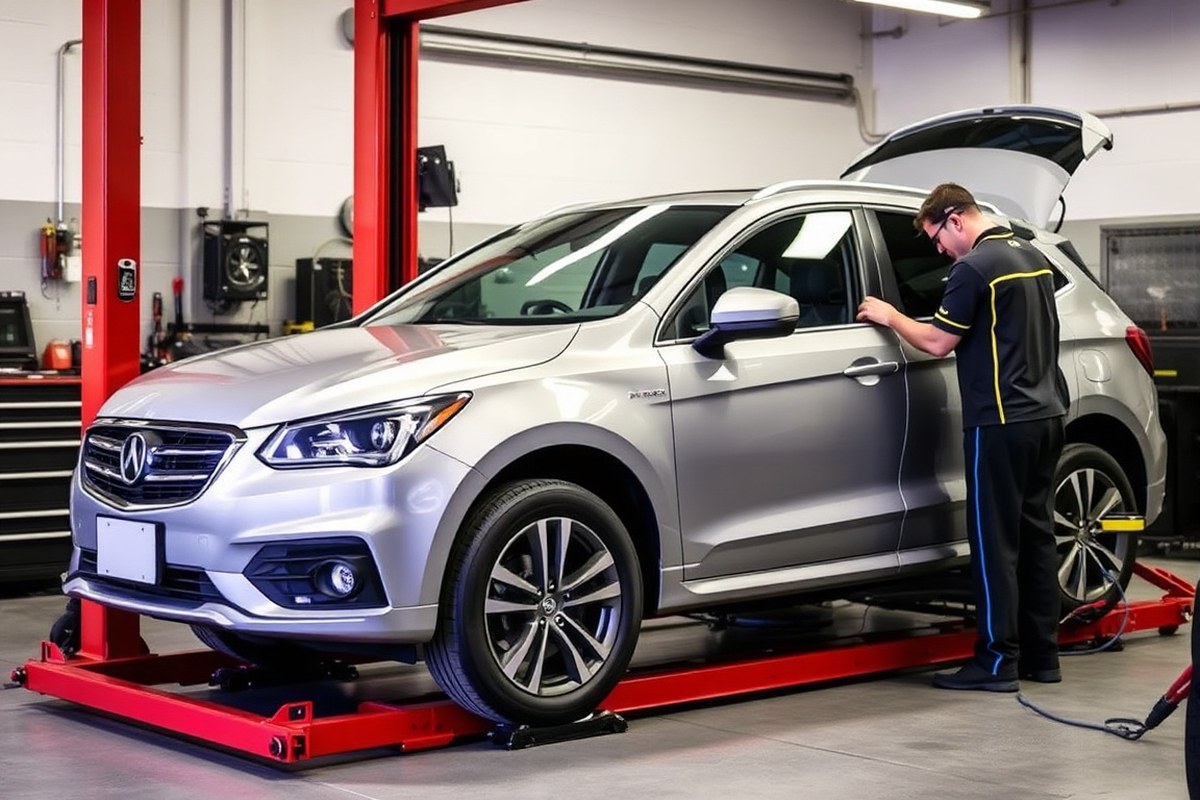
Do I Need Alignment When Getting Tires? Smart Tips and Essential Facts
Do I need alignment when getting tires? Yes, you usually do need one.
A professional alignment makes sure your wheels point correctly, protecting your new tires. It prevents uneven wear that would otherwise ruin your investment early.
You might skip an alignment if you had one in the last six months and have no suspension damage. But most drivers don’t meet that condition. A $75 to $100 alignment is worth the cost for your tire’s lifespan and safety.
New tires change how your car handles and how weight spreads on wheels. Get an alignment right after installing new tires. Check it again after 500 miles.
This helps your tires wear evenly. That saves you from wasting hundreds on early tire replacement.
Key Takeaways
- Always get a wheel alignment when you install new tires unless recently done.
- Professional alignment costs $75 to $100 and protects your tire investment.
- Skip alignment only if you have a documented one under six months old.
- Check alignment again after driving 500 miles on new tires.
- Rotate tires every 6,000 to 8,000 miles to maintain even wear.
- Uneven wear costs more than a single alignment service in the long run.
Do You Always Need an Alignment When Getting New Tires?
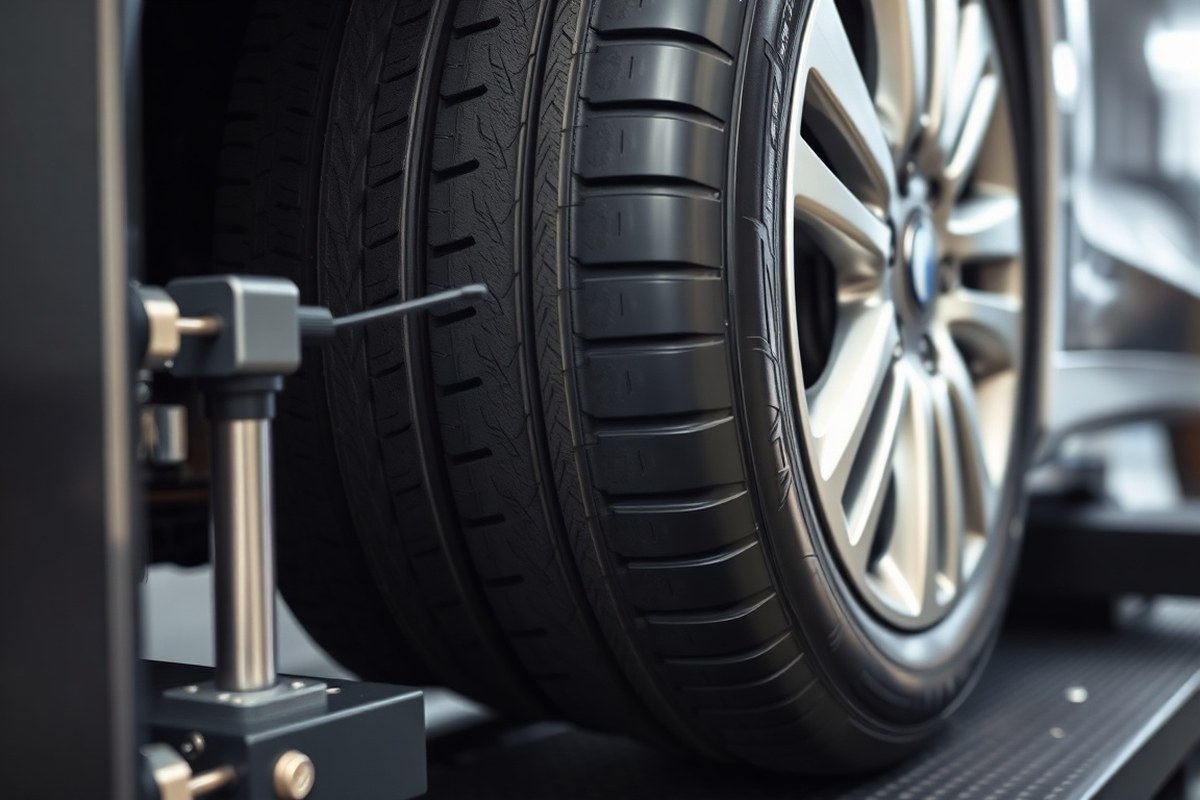
Getting an alignment when you buy new tires is usually smart but not always mandatory. You should do an alignment if it’s been over six months. Also, get one if your car pulls to one side.
A certified check is best for this. This prevents uneven tire wear and improves handling, saving you money over time.
You might skip alignment if your suspension is in good shape. No dents from curbs is another good sign. Also, only skip it if your last alignment was recent and documented.
Avoid skipping it if your old tires were worn or your car pulled while driving. Alignment usually costs $75 to $100, which is affordable.
This is cheaper than replacing tires worn unevenly. It saves money in the long run.
Before putting on new tires, check for uneven tread wear. Notice if there is a steering pull or if suspension work was done recently. These clues show if alignment is needed.
Get an alignment first if those problems apply to you. Check the alignment again after driving about 500 miles.
New tires can change how your car handles on the road. Neglecting alignment risks early tire failure and lost road control.
How Wheel Alignment Works to Protect Your New Tires
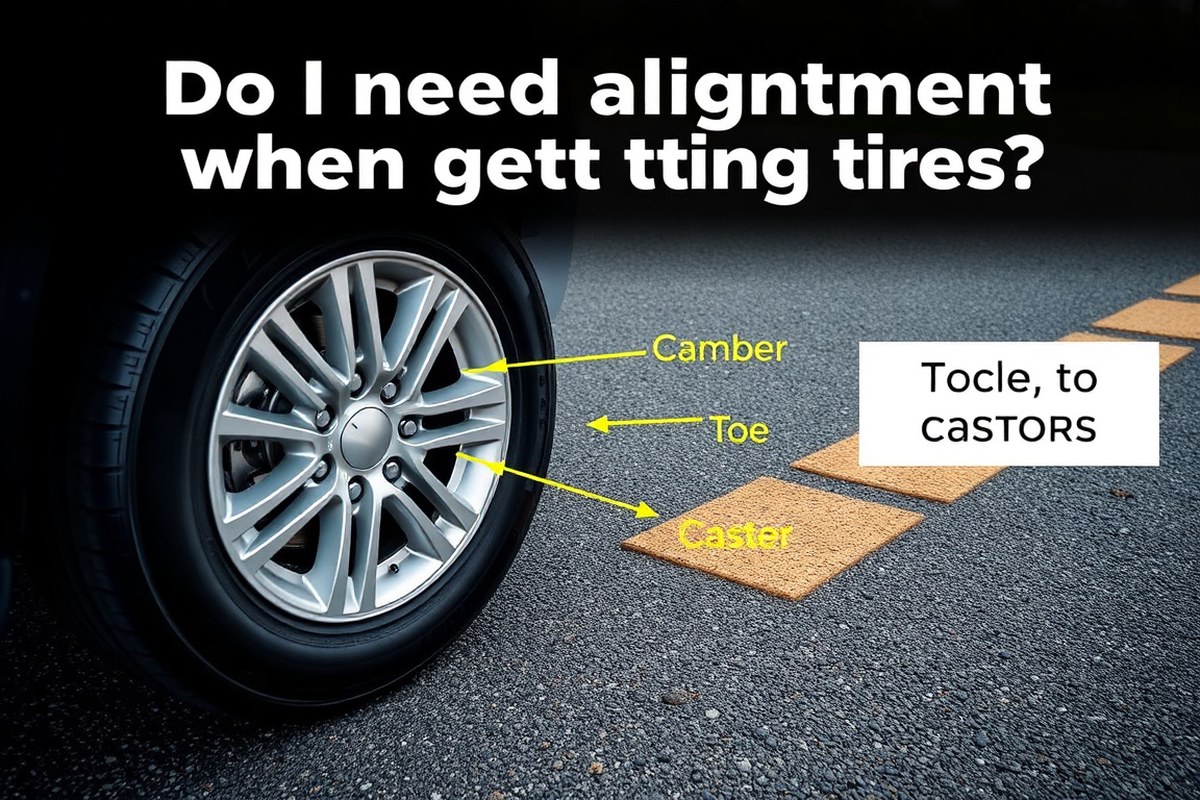
Wheel alignment means adjusting your car’s wheels to be perfectly angled. The three main angles are camber, toe, and caster. Proper alignment makes sure your tires sit flat and point straight as you drive.
When your wheels are aligned, tires wear evenly across the tread. Uneven angles cause more wear on one edge, cutting tire life by up to 30,000 miles.
Proper alignment shares your car’s weight evenly across all tires. So none wear out too fast.
Alignment also controls how your car handles. Wheels off alignment may cause your vehicle to pull or feel loose. This happens because misaligned wheels don’t track straight, forcing you to steer constantly.
Techs measure alignment using sensors on the wheels that show if angles are within factory specs. Adjusting involves turning adjustment bolts on suspension parts until angles match. It takes 30 to 60 minutes.
The cost ranges from $75 to $150. Prices depend on your vehicle and shop.
Skipping alignment with new tires risks uneven wear and poor steering. Suspension or steering repairs can misalign your wheels. Even bumps may cause this.
Checking alignment is important after these events. New tires combined with proper alignment can add 15,000 to 30,000 miles to tire life.
Good alignment means your steering wheel stays centered on straight roads. Tires wear evenly with no cupping or scalloped edges. Your car drives smoothly without pulling or wandering, improving safety and fuel efficiency.
Always ask to see the alignment readings after service. Confirm they meet your car maker’s standards.
When Is Alignment Critical: Key Signs Your Vehicle Needs It?
After getting new tires, check if your car pulls to one side. It should track straight when you release the steering wheel on flat ground.
Also, see if the steering wheel stays centered while driving straight ahead. A crooked wheel usually means your alignment needs fixing.
Uneven or unusual tire wear is another warning. Look at the tread edges carefully. One side wearing more than the other shows uneven wear.
Feathered tread patterns also point to alignment problems. These problems show up within weeks or a few months. They happen more if the suspension was fixed or alignment was not set right.
- Vehicle pulls to left or right without steering input
- Steering wheel sits crooked when driving straight
- Tires show uneven wear on inside or outside edges
- Feathered or scalloped tire tread patterns
- Tires wear faster than usual after a few thousand miles
- Recent suspension or steering repairs done
To test yourself, drive on a straight, smooth road and briefly let go of the wheel. A car that drifts a lot needs an alignment soon. Have someone check if the steering wheel lines up with the front tires.
This check should happen while you drive straight. A proper alignment keeps your new tires wearing evenly and improves handling. Alignment costs between $50 and $168.
It helps protect your $800+ tire investment. You avoid needing to replace tires too soon.
Understanding Two-Wheel vs. Four-Wheel Alignment: Which One Do You Need?
Two-wheel alignment adjusts only the front wheels and suits most front-wheel-drive cars. Four-wheel alignment adjusts all wheels and fits vehicles with all-wheel or four-wheel drive. Four-wheel alignment offers better protection for new tires by ensuring all wheels work together properly.
What Is Two-Wheel Alignment?
Two-wheel alignment corrects the angle of just the front wheels. It focuses on toe, camber, and caster settings that affect steering and handling. Mechanics adjust the front-end suspension to bring these wheels back into proper position.
This alignment usually works for front-wheel-drive cars. Rear wheels don’t move on their own. This setup suits those vehicles well.
It takes less time and costs less because it only addresses two wheels, not all four. You’ll see better ride comfort and more even tire wear on the front tires.
What Is Four-Wheel Alignment?
Four-wheel alignment adjusts the angles of all four wheels on your vehicle. It works on vehicles with independent rear suspension or four-wheel and all-wheel drive. This service corrects alignment issues on both the front and rear wheels.
This method improves overall handling, steering response, and tire life. It’s the recommended type for trucks, SUVs, and cars with complex suspension. Four-wheel alignment balances the entire vehicle’s handling, making it safer and more comfortable to drive.
Cost and Effectiveness Comparison
Two-wheel alignment is more affordable but suits fewer vehicles. Four-wheel alignment costs more but covers more ground and better protects your tires. Knowing which service fits your car prevents unnecessary expenses and protects your new tires’ investment.
The table shows various alignment services and their prices. It also lists key points for comparison. This can help you pick the right service.
| Service | Average Cost | Notes |
|---|---|---|
| Alignment check only | $0, $30 | Often free with new tire purchase, ask first |
| Standard 4-wheel alignment | $75, $100 | Most common; covers all four wheels |
| 2-wheel (front-end) alignment | $50, $75 | Adjusts front wheels; good for most FWD cars |
| Lifetime alignment package | $150, $200 | Best choice when you plan to own the car for over three years. Longer ownership helps you get value from the service. This makes the expense more reasonable. |
| Alignment + suspension repair | $200, $1,000+ | Only if bent or worn suspension parts are replaced |
Four-wheel alignment generally costs between $105 and $165. It is the minimum recommended service for all vehicles to ensure full protection of tires. Two-wheel alignment prices range from $50 to $75, suitable mainly for front-wheel-drive cars.
Choosing four-wheel alignment protects your investment in new tires better. It fixes imbalances that may cause uneven wear on rear tires. Two-wheel alignment only helps if the rear wheels don’t shift or cause wear problems.
How Much Does a Professional Wheel Alignment Cost and How Long Does It Take?
A standard wheel alignment with new tires costs about $50 to $100. It usually takes between 60 and 90 minutes at most shops. Your car type and how complex the service is can change the cost and time.
Average Price Ranges by Vehicle Type
The vehicle type plays a big role in the cost of an alignment. Passenger cars tend to be at the lower end of the price range. Larger trucks or luxury vehicles often require more precise adjustments and cost more.
| Vehicle Type | Typical Cost Range |
|---|---|
| Standard Passenger Car | $50 to $75 |
| Light Trucks and SUVs | $70 to $90 |
| Luxury or Performance Cars | $90 to $120 |
Besides vehicle type, your location and the shop you choose affect the cost. Dealerships often charge more than independent shops for the same service.
Typical Timeframe of an Alignment Service
A standard alignment usually takes about 60 to 90 minutes. This includes checking and adjusting the camber, toe, and caster angles.
A simple check can take as little as 30 minutes. But most full alignments last an hour or longer.
Scheduling an appointment can reduce wait times since many shops work with just one alignment rack. Busy shops might have delays for walk-in customers.
Book your alignment service ahead to avoid long waits at the shop.
Value of Lifetime or Multi-Service Packages
Some shops offer packages that cover multiple alignment services or lifetime adjustments. These deals can save money if you drive a lot or off-road often. They also keep your tires wearing evenly over time.
Buying a package makes sense if you get four new tires. It also helps if your driving conditions need frequent alignment checks.
This saves money and time over separate services. Otherwise, paying for a single alignment may be more cost-effective.
Can You Do Your Own Alignment or Should You Hire a Professional?
You can attempt doing your own wheel alignment, but it comes with risks. Proper alignment needs precise measurements of toe, camber, and caster angles. Without special tools like camber gauges, alignment is tricky.
Poor alignment can make your car handle worse. It also causes your tires to wear out fast.
Common DIY mistakes include adjusting the toe incorrectly and missing camber or caster issues. Toe adjustment without accurate tools often throws off the other angles. Misalignment wears out your new tires unevenly.
This can happen early and cost you more money. Avoid this by getting a professional alignment.
Professionals use computerized machines that measure suspension angles to a fraction of a degree. This precision ensures the car will track straight and the tires wear evenly. They also test the car’s response at driving speed, which DIY setups can’t replicate.
Doing alignment yourself usually means jacking up the car and measuring angles manually. You’d need a level surface, alignment gauges or camber tools, and a lot of patience. Even then, you may miss underlying suspension issues that only a professional inspection will catch.
A professional alignment typically costs $75 to $150 and takes about an hour. Alignment helps protect your new tires from uneven tread wear. It saves you money by keeping tires lasting longer.
Starting right keeps your investment safe. Skipping this step can shorten your new tires’ life and impact your safety on the road.
Balancing the tires is another service often done with alignment. It corrects weight imbalances in the tire-wheel setup. Some DIYers own balancing kits but they may not be as good.
Professional machines balance tires better and reduce vibrations. This helps your tires last longer.
Consider your skills and tools before attempting your own wheel alignment. Professionals apply exact settings tailored to your vehicle’s specs. New tires usually need a professional alignment.
The cost is worth it for accurate handling. It also protects your tires from early wear.
Steps to Take After Getting New Tires to Maintain Proper Alignment
Check your alignment within 6,000 to 12,000 miles after new tires. This is about once a year. Don’t wait too long to ensure safe driving.
Rotating tires every 5,000 to 8,000 miles helps even out wear and supports proper alignment. Keep an eye on your tires for uneven wear.
Change your driving habits if you see problems. This helps avoid alignment issues.
Timing the First Alignment Recheck
After you get new tires, check your alignment quickly. Notice if your car pulls to one side. This can mean alignment needs fixing.
Get an alignment check every 10,000 to 12,000 miles or yearly. This keeps your car handling well. Regular checks help avoid big issues.
Be cautious driving on rough roads or hitting curbs hard. Such impacts can misalign your wheels quickly. Take care to protect your alignment.
Waiting too long to recheck can cause uneven tire wear and reduce tire life. Early detection prevents costly repairs and keeps your vehicle comfortable on the road.
Over time, weather and road conditions naturally shift wheel angles. So routine checks are a smart move.
Recommended Tire Rotation Schedule
Rotate tires every 6,000 to 8,000 miles to help distribute wear evenly on all tires. Different tire types require specific rotation patterns: front-to-back only for directional tires.
Side-to-side plus front-to-back for asymmetrical tires. Following your owner’s manual rotation pattern maintains alignment balance.
Regular rotation reduces stress on your wheels and suspension. Balanced tire wear reveals alignment problems earlier so you can fix them faster. A good rotation routine extends tire life by thousands of miles compared to skipping it.
Adjusting Driving Habits and Inspections
Driving on pothole-filled streets or frequently hitting curbs worsens alignment issues. Slow down and avoid sudden bumps whenever possible to protect your tires and suspension. Check tires monthly for uneven tread wear and uneven tire pressure.
Uneven wear or steering pull signals something might be off. Fix small alignment changes early to avoid bigger problems. Make a habit of inspecting tires after rough trips or noticeable handling changes.
Follow these exact steps to maintain alignment and tire health:
- Check alignment at 6,000 miles or within a year after new tires.
- Inspect tires monthly for uneven wear or damage.
- Rotate tires every 6,000 to 8,000 miles, following the proper pattern.
- Adjust driving speed on rough roads and avoid potholes.
- Have a professional inspect alignment after hitting curbs or bumps hard.
- Balance tires at every rotation, around 5,000 to 6,000 miles.
- Schedule annual alignment checks even without warning signs.
- Address any pulling or vibration issues promptly with a shop.
Common Wheel Alignment Myths and Mistakes to Avoid
Alignment is not optional after buying new tires. Skipping this step causes uneven tire wear and wastes your money faster. Not getting an alignment leads to premature tire replacement, adding unnecessary costs.
Many drivers think alignment and tire balancing are the same. Some believe alignment only matters when steering problems occur. That isn’t true; alignment affects more than just steering.
Balancing fixes uneven weights, while alignment adjusts how tires meet the road. Missing alignment means your tires wear on one side, reducing their life.
Common mistakes include ignoring alignment because the car “feels fine” or delaying service to save money. This often ends up costing more due to faster tire damage. Some shop upsell services you don’t need, so it’s important to know the facts.
- Some people believe alignment is only needed after hitting a pothole or curb. Actually, alignment changes slowly over time. Regular alignment checks help catch problems early and protect your tires.
- Myth: New tires mean automatic alignment, you still need a professional check and adjustment.
- Mistake: Confusing balancing and alignment, which fix different problems.
- Mistake: Ignoring alignment signs like uneven tread wear or pulling to one side.
- Tip: Ask for alignment specs before and after service to avoid unnecessary charges.
Typical alignment costs run from $75 to $150 and take about an hour. A good alignment sets all four wheels correctly, improving your car’s handling and tire life. Checking alignment every 10,000 to 12,000 miles helps avoid uneven tire wear, especially on rough or pothole-filled roads.
Don’t accept an alignment without showing you before-and-after measurements. It protects you from unnecessary repairs.
Quality alignment matches your car’s specs so tires wear evenly and last longer. Poor alignment causes steering pull, vibrations, and faster tread loss. Knowing these facts helps you avoid mistakes that waste money and damage your new tires.
How Road Conditions and Vehicle Factors Affect Alignment Needs
Driving on rough roads, hitting potholes or curbs, can quickly knock your alignment out of spec. Each hit can change your wheel angles by 0.2 to 0.5 degrees or more, which can cause uneven tire wear. Slowing down on rough roads cuts impact on your tires.
This helps keep your wheels aligned after new tires go on. Better alignment means smoother rides and longer tire life.
Suspension and steering parts wear over time, shifting alignment angles gradually. Parts like control arm bushings and strut mounts wear out. This usually happens after about 10,000 miles of driving.
Worn parts make you likely to need another alignment. Wear happens often, so check your alignment one to two times a year.
This avoids uneven tire wear and bad handling. Regular checks keep your ride smooth and safe.
Some cars are more sensitive to alignment changes based on their suspension design and use. Vehicles that regularly see unpaved or rough roads need checks more often than others. You should get an alignment check when you rotate tires every 5,000 to 6,000 miles.
Also check it sooner if your car vibrates or pulls after hitting potholes. Catching problems early saves tire and suspension damage.
For the best care after getting new tires, watch your driving habits and road conditions closely. You should schedule alignments more often if you drive rough roads or hit curbs. This is especially true if your suspension parts are old or worn down.
More frequent checks keep your car handling right. This approach keeps your tires wearing evenly and your steering feeling solid.
Your First Steps After Getting New Tires
Follow these simple steps to protect your new tires and keep your alignment on point.
- Right after installation: Check tire pressure using a reliable gauge. Proper inflation means better wear and safer driving.
- First 100 miles: Drive gently and avoid heavy braking or sharp turns. This helps the tires settle and alignment stay true.
- Week 1: Inspect your tires for uneven wear or vibrations. These signs could mean you need an alignment check.
- Week 2: Book a professional wheel alignment if you notice pulling or steering issues. Fixing these early extends tire life.
- Monthly: Check tire pressure again and look for visible wear. Keep your tires balanced and rotated as recommended.
- Every 6 months or 6,000 miles: Check your alignment regularly. It’s especially important after hitting potholes or curbs. This keeps your tires safe and handling smooth.
- After rough roads: Get a quick alignment check to catch any damage early. Don’t wait for wear to show up.
Frequently Asked Questions
Do I Need an Alignment When Getting New Tires If I’ve Had One Done Six Months Ago?
You might not need an alignment if you had one recently. That means within the last six months.
Also, your car should show no alignment problems. Still, check for signs like steering pull or uneven tire wear to be sure.
Can Improper Alignment Damage New Tires Even If the Old Ones Wore Evenly?
Yes, new tires can wear unevenly quickly without proper alignment. Proper alignment distributes pressure evenly and protects your investment.
Is It Better to Get an Alignment Before or After New Tires Are Installed?
Getting an alignment before installation ensures even wear from the start. A follow-up check around 500 miles after helps adjust for how new tires change load.
Can an Alignment Fix Tire Wear Caused by Poor Road Conditions?
Alignment can correct wear from misaligned wheels but won’t fix damage from potholes or rough roads. Regular checks help catch alignment shifts before serious tire damage.
How Often Should I Have My Alignment Checked After Getting New Tires?
Recheck your alignment after about 500 miles on new tires. This ensures adjustments can be made if the tires cause unexpected handling changes.
Key Points to Remember
Getting an alignment when you get new tires usually protects your investment and keeps you safe. Watch for signs like pulling or uneven wear before skipping it. Go ahead and schedule an alignment check soon after your new tires are installed.