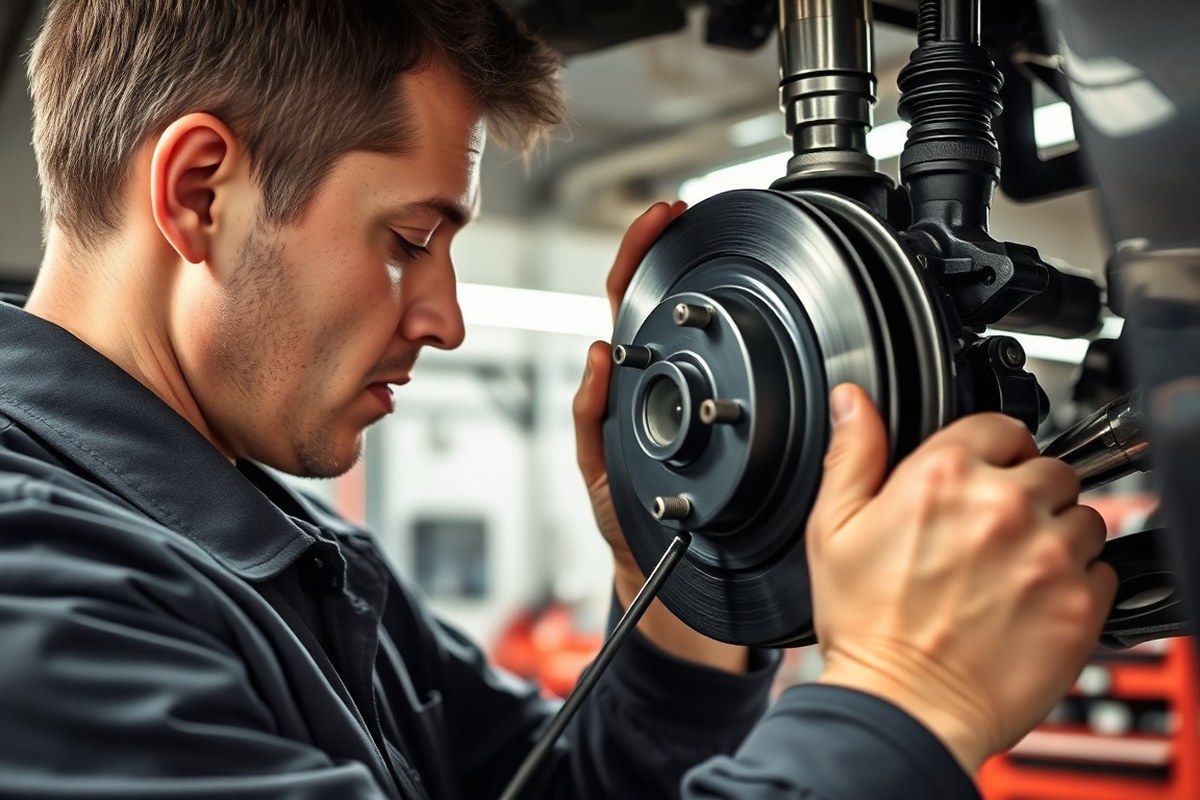
What Causes Brakes to Lock Up: How to Diagnose and Fix the Problem
What causes brakes to lock up? Usually, it’s a part sticking or a hydraulic problem.
Brake calipers or pads can seize and stop wheels from turning freely. It’s best to check for heat differences or stuck parts if your brakes grab suddenly.
Faulty brake hoses and bad ABS sensors also cause locking. These parts control brake pressure and timing, so damage can freeze your brakes. A quick look at the ABS sensors often clears dirt that causes false lock signals.
Worn or glazed brake pads make the surface hard and uneven, causing sudden grabbing. Stuck parking brake cables keep brakes on even when you release the pedal. Watch for these signs when your brake pedal feels strange.
Your wheel may also heat up more than the others. These clues can help spot brake issues early.
Key Takeaways
- Check wheel temperatures to find dragging brakes; 50, 100°F hotter means a problem.
- Inspect brake calipers if one side runs 40°F hotter than the others.
- Flush brake fluid every 2 years to avoid hydraulic buildup and pressure issues.
- Clean ABS sensors to prevent false locking signals and sensor faults.
- Replace brake pads every 30,000 miles to avoid glazing and uneven friction.
- Look for stuck parking brake cables if brakes lock despite pedal release.
Common Reasons Why Brakes Lock Up Suddenly
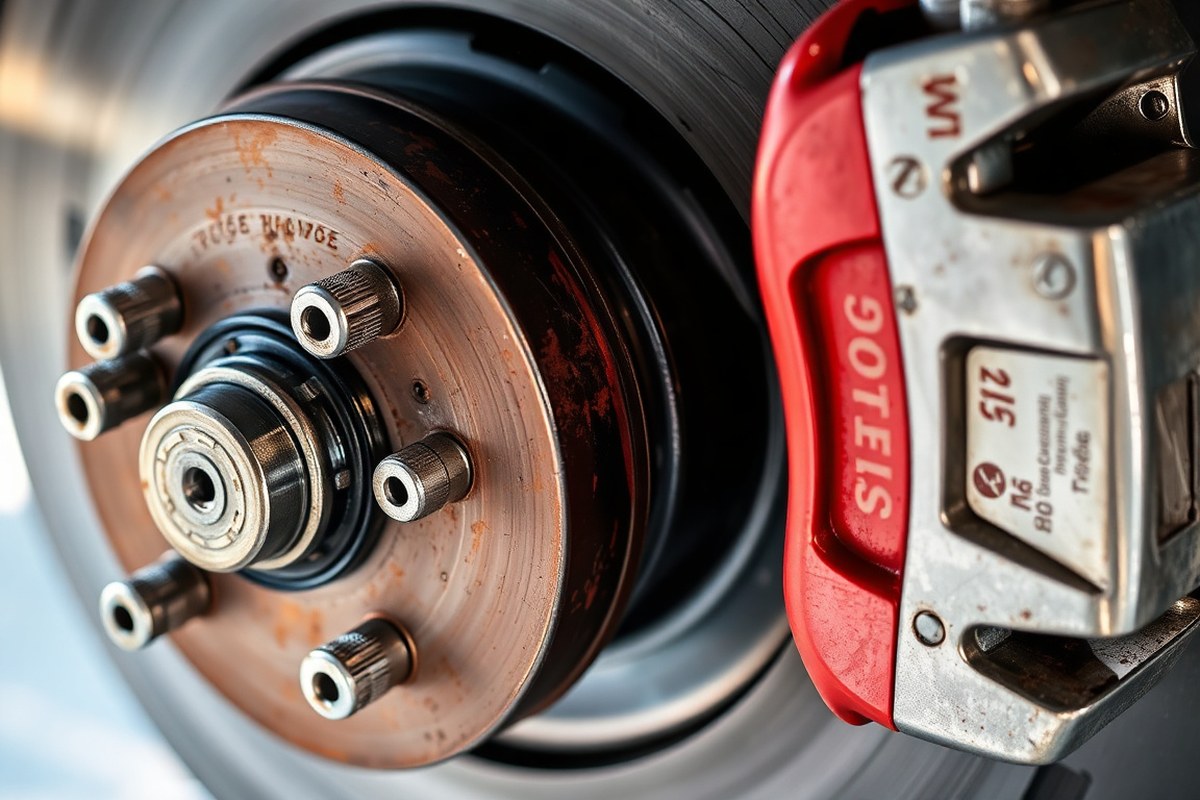
The top mechanical cause of brake lock-up is a stuck brake caliper. When a caliper seizes, it holds the brake pads tightly against the rotor. This keeps the wheel from turning freely even without pressing the brake pedal.
You can check for this by feeling if a wheel’s hotter than the others after driving. A hotter wheel often means the brake is stuck.
Hydraulic pressure problems also cause brakes to stay on. When the master cylinder or brake pedal linkage sticks, pressure stays trapped. It won’t release fluid properly.
This trapped pressure keeps the calipers squeezing the pads. Over time, the problem worsens as heat builds, making the brakes lock tighter. Jack up your car so the wheels can spin freely.
Pump the brakes a few times. Then, try spinning the wheels.
Brake pad condition can lead to locking too. Worn or glazed pads develop hardened, uneven surfaces. These rough areas grab the rotors suddenly and cause the brakes to lock.
Regularly inspecting pad thickness and replacing pads with a smooth friction surface helps avoid this. Avoid using cheap pads that glaze easily, as they increase locking risk.
Another hydraulic problem that results in lock-up is collapsed brake hoses. Inside these hoses, internal layers wear out and collapse, stopping fluid from returning. This pressure build-up forces the caliper piston to stay extended.
After driving for a short time, you may feel one wheel get much hotter. The vehicle might also pull to one side during braking. Fixing or swapping out damaged hoses lets pressure flow correctly again and prevents lock-up.
How Sticking Brake Calipers and Pads Cause Locking
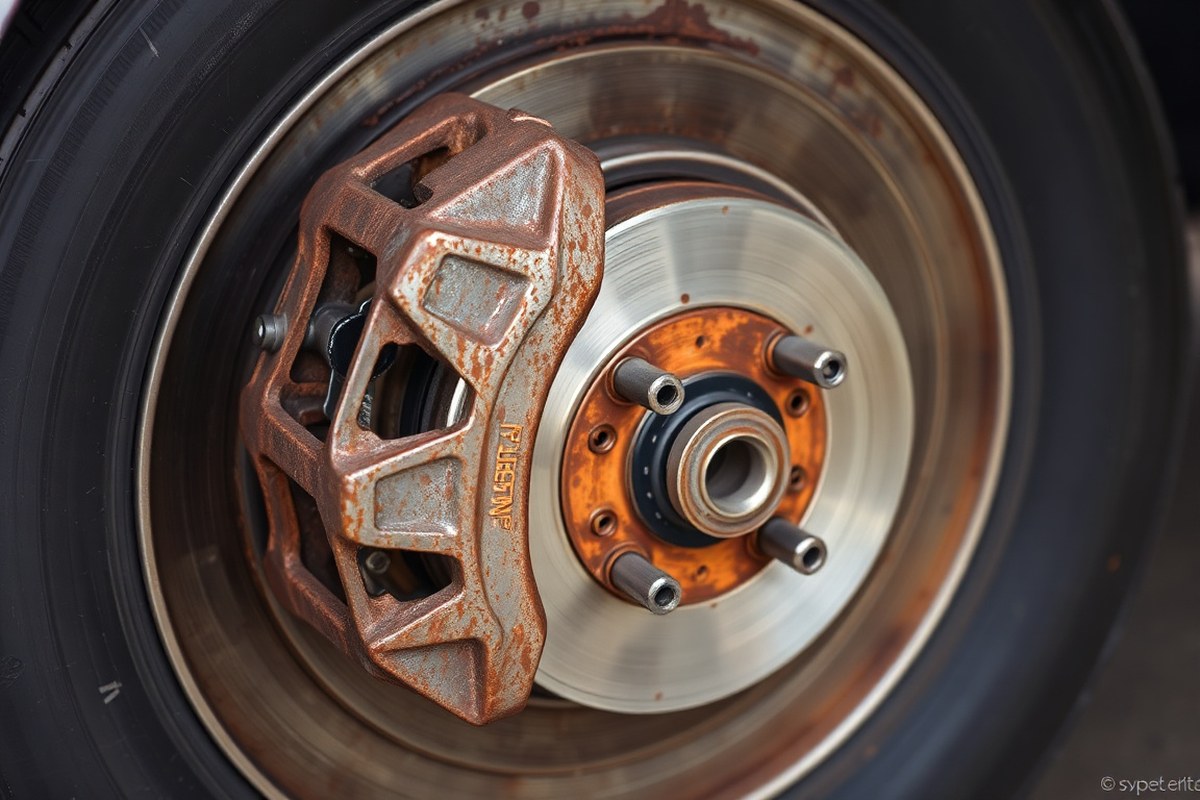
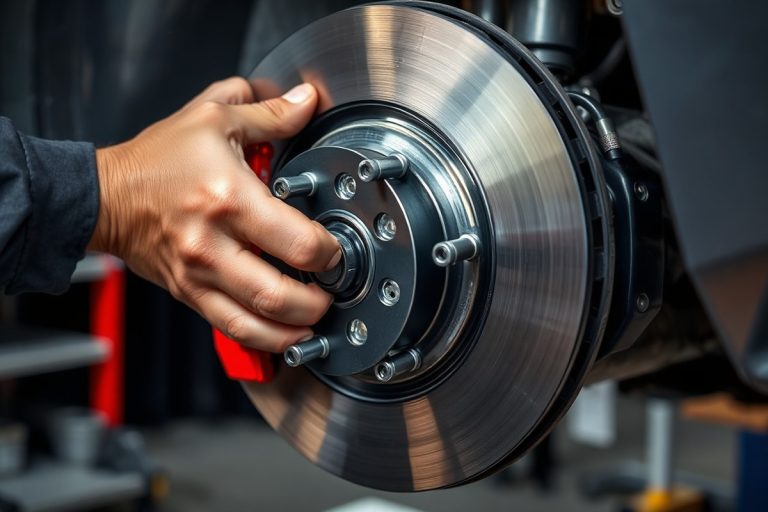
Brake calipers and pads can stick or seize, causing uneven braking and wheel lock. Sticking calipers press the pads continuously against the rotor, even when you release the pedal. This creates drag that can lock a wheel or cause it to overheat quickly.
Causes of Caliper Sticking
Rust buildup on caliper pistons or slide pins is a common cause of sticking. Over time, corrosion prevents smooth piston movement, keeping the brakes applied. Old or dried-up grease in the slide pins can seize movement.
This causes the caliper to bind. It stops the brake from working smoothly.
Worn seals around the caliper pistons let moisture in, worsening rust and corrosion. Brake fluid contamination can stiffen parts and cause the pistons to stick inside the caliper body. These issues force one brake to stay engaged, creating uneven braking force across wheels.
Symptoms of Glazed Brake Pads
Glazed brake pads have a shiny, smooth surface caused by overheating. They often cause squeaking or grabbing when you brake hard. A clear sign is uneven pad wear on the caliper.
One pad looks much thinner or smoother than the other. This shows a problem with the caliper.
You might feel the car pulling to one side when driving. A wheel may get hotter than others after a short trip. Both signs mean a brake problem.
This heat difference links to a stuck caliper forcing its pad hard against the rotor. Glazed pads reduce braking efficiency and increase wear on rotors.
Cleaning and Lubrication Tips
Fixing sticking calipers starts with cleaning rust and dirt from the pistons and slide pins. Lubricate the slide pins using brake grease to restore smooth movement. Replacing old or damaged seals may be necessary if rust has caused locking.
Take care not to damage rubber boots that protect the caliper slides. Keeping the hardware moving prevents brakes from locking suddenly and extends component life. Regular maintenance also helps spot early signs of sticking before it becomes dangerous.
Follow these steps to free stuck brake components safely:
- Lift the vehicle and remove the wheel on the affected side.
- Inspect the caliper, pad, and slide pins for visible rust or dirt.
- Remove slide pins carefully and clean them with brake cleaner.
- Check pistons for corrosion and gently push them back into the caliper if possible.
- Apply fresh brake grease on the slide pins and reassemble carefully.
- Replace any damaged rubber seals or boots around pistons and slides.
- Swap out glazed brake pads with new ones that have proper friction material.
- Test the brakes for smooth pedal feel and even wheel rotation before driving.
Always avoid using regular grease on brake parts; only use brake-specific lubricants. Rubber seals and boots can tear easily if handled roughly during cleaning.
How Faulty Brake Hoses and Hydraulic Issues Lead to Lock-Up
Brake hoses carry hydraulic fluid from the master cylinder to each brake caliper. A collapsed brake hose fails inside, acting like a one-way valve. It lets pressure flow in but blocks fluid from returning, trapping pressure in the brake.
Trapped pressure holds the brake on, causing it to stick or lock. To test a bad hose, loosen the bleeder screw on that caliper. Pressure and fluid releasing confirm a hose problem.
Master cylinder failure also causes pressure traps within the brake system. The master cylinder moves fluid when you push the pedal. It lowers pressure when you lift your foot off.
This controls your brake action. Worn internal seals or bore in the master cylinder make pressure stick. The brake won’t release properly after you ease off the pedal.
In some cases, the pushrod that activates the master cylinder is adjusted too long. This keeps pressure on the brake system even when the pedal isn’t pressed. This causes brakes to drag or lock without warning.
Brake fluid condition plays a big role too. Low or contaminated brake fluid causes inconsistent pressure in the hydraulic system. This inconsistency can cause one wheel to lock or drag while others work normally.
Contaminated brake fluid may contain moisture or dirt, which reduces its boiling point. Heat from repeated braking can cause fluid to boil and create pressure spikes. This damages hoses and seals and makes the brakes less responsive.
Changing bad hoses and a faulty master cylinder means a full fluid flush. Then, you must bleed the entire brake system. This ensures proper brake function.
This process removes old fluid and trapped air, restoring proper pressure control. Costs vary, but expect $150 to $350 for parts and labor when done by a mechanic.
ABS System Faults That Result in Brakes Locking Up
ABS system faults can cause your brakes to lock up suddenly. They send wrong signals or fail to control brake pressure. This makes braking unpredictable and risky.
A faulty wheel speed sensor may confuse the ABS system. A broken ABS module can cause erratic braking too. Both parts can make your braking unsafe.
These faults affect traction control during slippery conditions. Your brakes may feel locked when driving on wet or icy roads. This reduces your control and safety.
How ABS Works to Prevent Locking
ABS uses wheel speed sensors to track each wheel’s rotation during braking. The system quickly pulses brake pressure when it senses a wheel locking. This keeps the wheel turning.
It helps maintain traction while braking hard. This pulsing helps maintain traction and prevents skidding.
The ABS module controls this cycle by reading sensor data and adjusting hydraulic pressure. The system stops wheels from locking during hard or sudden stops. This helps you maintain steering control and avoid skidding.
It’s important the system works properly. Without ABS working right, wheels can lock up and cause loss of control.
Common ABS Malfunction Symptoms
One clear sign of ABS trouble is an illuminated ABS warning light on your dash. This light means the system may not work properly during emergency braking. You may also feel a pulsing brake pedal during normal stops when ABS is not active.
Other signs include uneven braking on different road surfaces. Wet or gravel roads may cause wheels to lock unexpectedly. Pay attention to these symptoms for safety.
These signs show your ABS sensors or module could be sending false signals. Ignoring these symptoms risks loss of traction and stability.
Basic ABS Sensor Cleaning Procedure
Cleaning ABS sensors can help if dirt or debris is causing false readings. You’ll need a jack, lug wrench, a soft brush, some brake cleaner spray, and safety glasses. Always work on a cool vehicle and wear gloves to protect your hands.
Follow these steps carefully to clean your ABS sensors and their rings:
- Jack up the vehicle and remove the wheel to access the sensor.
- Locate the ABS sensor near the wheel hub or brake rotor.
- Spray brake cleaner onto the sensor and the sensor ring.
- Gently brush away dirt, grease, or brake dust without damaging parts.
- Let the cleaner dry for a few minutes before reinstalling the wheel.
- Lower the vehicle and tighten the lug nuts to the manufacturer’s specs.
- Start the car and check if the ABS warning light clears and braking improves.
- Repeat on other wheels if necessary or consult a mechanic if problems persist.
Stuck Parking Brake Cables and Their Effect on Brake Locking
A stuck parking brake cable can cause the rear brakes to stay engaged. This creates wheel drag, making it feel like the brakes are locked even while driving. The constant pressure overheats the brakes and wears out parts quickly.
You might notice your car pulls to one side. A wheel may feel hotter than the others. This usually signals a problem with your brakes.
A wheel 50 to 100 degrees Fahrenheit hotter usually means it’s dragging. The drag limits your control on the road.
It can cause damage to the rotor. This might lead to a brake fire if ignored.
Releasing a stuck parking brake involves several steps. First, check if the parking brake lever or pedal fully returns to its off position. Sometimes, freeing a stuck cable needs rust or dirt removal.
Try applying penetrating oil to the cable. Focus on where it runs along the frame. Also, check any tight spots the cable goes through.
- Pull the parking brake lever up slightly and release it several times to loosen the cable.
- Spray penetrating oil on the cables and allow 10 to 15 minutes to soak.
- Manually move the wheels back and forth to break free stuck brake shoes or pads.
- Carefully lift the vehicle and inspect the rear brake cables for corrosion or damage.
- Consult your vehicle’s manual for cable routing and adjustment points.
- Stuck cables may need replacement. This can cost $50 to $150 plus labor. You should compare prices before deciding.
- Do not force the brake lever excessively to avoid breaking it.
Driving with a stuck parking brake can cause serious brake system damage. The extra heat wears out rotors, pads, and wheel bearings.
It also risks the brakes catching fire under extreme heat. The longer you drive like this, the more severe the damage becomes.
Stop driving if your car pulls hard to one side or a wheel gets very hot.
Recognizing Symptoms That Indicate Brake Lock Issues
When your brake locks, the pedal often feels hard or stiff. You might notice it pulses or vibrates as you press down slowly.
This happens sometimes with ABS. But a locked wheel means the brake isn’t releasing properly.
A locked wheel makes the vehicle behave oddly. It may pull to one side, especially if only one brake sticks.
The car keeps moving while the wheel tries to stop, causing a grinding or shaking feeling. This can feel like your usual steering is off or unpredictable during stops.
Sounds and smells give more clues about brake locks. Grinding or scraping noises during braking mean the pads or rotors might be stuck. You might hear a clicking sound from the pedal.
Weird vibrations can also happen there. Both can show ABS or brake problems. You might also notice a burnt smell from overheated brakes if they stay engaged too long.
Here’s a table showing signs, related brake issues, and what they mean for you:
| Symptom | What to Check | Possible Cause | Why It Matters |
|---|---|---|---|
| Hard or pulsing pedal | Press brake slowly, feel for vibration | ABS activation or stuck caliper | May lead to uneven stopping or lock |
| Vehicle pulls to one side | Notice direction during braking | One wheel sticking or dragging | Uneven wear and unsafe handling |
| Grinding or scraping noise | Listen during braking | Worn pads or locked brake parts | Damage to rotors and poor braking |
| Burnt smell after stopping | Check soon after a stop | Overheated or stuck brakes | Can cause brake failure if ignored |
| Brake pedal doesn’t return | Release pedal, check for free movement | Mechanical or hydraulic fault | Continued brake drag and fast wear |
You may notice a brake pedal that stays low even after the engine is off. This may improve after 15 to 30 minutes as things cool down. After that, the pedal should move normally and the vehicle should drive fine for a while.
Sometimes the brake grabs suddenly, pulling the car hard at stops. This means the brake valve or components are sticking more.
Letting off the pedal and slowly pressing it again might free the locked brake. Getting your brakes checked regularly, especially every 30,000 miles, helps catch issues early.
DIY Diagnosis: Steps to Identify Brake Lock Causes
To find what causes your brakes to lock up, start by checking wheel temperatures after driving. Next, inspect each wheel’s brake pads, rotors, hoses, and calipers for signs of damage or sticking. Testing how the brake pedal feels and if the brakes release properly helps pinpoint the trouble.
Initial Safety Precautions
Park your vehicle on a flat, stable surface away from traffic. Put the transmission in park and engage the parking brake fully. Place wheel chocks behind the wheels you won’t inspect.
This helps keep the car steady. Make sure they fit securely against the tires.
Use a quality jack to lift the car safely. Then set up a jack stand for support. Avoid working under a car without a stand.
Never rely only on a jack; always support the car with jack stands. Check that the car is cool enough to touch.
Pay close attention to brake areas. Don’t start if parts still feel hot.
Visual and Physical Inspection Steps
After driving, carefully touch the rotors on each wheel to check for temperature differences. A wheel that’s much hotter than the others may have a sticking caliper or pad dragging. Look for brake pads that appear very thin or unevenly worn compared to the others.
Check brake hoses near the wheels for cracks, bulges, or leaks. Look at the caliper hardware and slide pins carefully. See if they move freely or look rusty.
Rust can cause them to stick. Confirm the parking brake fully releases and doesn’t leave the rear brakes partly applied.
- Feel the rotor temperature on each wheel immediately after a short drive.
- Examine brake pads for thickness; less than 3/32 inch is too thin.
- Inspect hoses for damage or fluid leaks around calipers and wheel cylinders.
- Test caliper slide pins by wiggling the caliper; it should shift slightly.
- Release the parking brake and check that the rear brakes aren’t dragging.
- Compare visual wear on pads and rotors between wheels to spot uneven wear.
Functional Tests to Perform
Press the brake pedal and notice how it feels. A normal pedal should feel firm and consistent without sponginess or excessive travel.
The pedal feels normal but the car slows unevenly. This may mean one caliper, hose, or brake sensor is stuck.
Press and release the brake several times first. Then spin each wheel to check if brakes release. Wheels that won’t turn freely can have a problem.
Wheels should spin easily without resistance once you let go of the brake. A wheel that stays hard to turn may have a stuck caliper.
The brake hose might be causing this too. Check both to find the issue.
Verify brake fluid level and quality in the master cylinder reservoir. Low or dirty brake fluid can cause hydraulic pressure issues that keep brakes partly engaged.
Testing hydraulic pressure release requires special tools. So consider a professional if fluid appears abnormal.
When Is It Safe to Drive and When to Stop Immediately?
Locked brakes are a serious danger, so stop driving if control feels unsafe. Your brake pedal drags after lifting your foot. Pull over safely as soon as you can.
Driving with dragging brakes puts extra strain on them. It also makes steering control harder. This raises the chance of a skid.
In some mild cases, you might regain control by carefully using your brakes again. Try gently pressing and releasing the brake pedal in short pulses. This can reduce locking by allowing the wheels to start turning, which helps retain steering ability.
You must watch for warning signs that demand an immediate stop. Watch for flashing brake or ABS lights on your dashboard.
A strong burning smell or smoke near wheels means bad brake overheating. Stop to check right away.
- Brake pedal sticks or feels hard to press
- Vehicle pulls strongly to one side while braking
- Dashboard warning lights flash for brakes or ABS
- Burning smell or smoke from wheel area
- Difficulty steering or sudden loss of control
- Brakes remain engaged and cause dragging noise
Always use the emergency brake only when parked and never to slow down while driving. You face brake lock-up. Take the next exit or find a quiet place to stop.
Have a professional check your brakes before driving again. Immediate inspection usually costs between $100 and $200 but prevents costly damage or accidents.
Do not ignore brake dragging or lock-up signs. Stop as soon as safely possible to avoid more damage.
Repair Options, Costs, and When to Call a Professional
Fixing brakes that lock up varies by cause. You can try some repairs yourself, like changing brake pads. Flush brake fluid every 2 years to keep brakes working well.
These tasks help maintain your car’s braking system. Flushing prevents moisture buildup that can cause hydraulic problems. However, mechanical issues such as seized calipers or collapsed brake hoses need proper tools and skills.
You should call a professional for ABS sensor problems or hydraulic line repairs. These require electrical diagnosis or special equipment. Professionals also resurface rotors or replace parking brake hardware safely, which can be tricky for DIYers.
The table shows common brake lock repairs, their costs, and tasks best left to experts. Minor fixes like pad replacement cost $100-$200.
Major repairs, including hydraulic line or ABS work, can reach $1,500. Labor rates and vehicle type affect the final price.
| Repair Type | Typical Cost Range (Parts & Labor) | DIY or Professional |
|---|---|---|
| Replacing Brake Pads & Resurfacing Rotors | $100 – $200 | DIY possible if you have basic tools |
| Replacing Seized Caliper | $300 – $600 | Professional recommended |
| Flushing Brake Fluid | $70 – $120 | DIY or professional, if done every 2 years |
| Replacing Collapsed Brake Hose | $400 – $700 | Professional recommended |
| ABS Sensor Inspection & Module Repair | $400 – $1,500 | Professional required |
| Servicing Rear Parking Brake Hardware | $150 – $400 | Professional recommended |
Brake fluid must be flushed every 2 years to avoid lock-up from moisture absorption. Changing fluid regularly stops corrosion and pressure loss. Failing to do this often shows as soft brake pedal or warning lights, not locking.
Minor repairs, such as pad or fluid changes, help avoid lock-up early. Hard-to-reach or complex hydraulic fixes can damage brakes if done wrong. When you spot persistent brake locking or unusual symptoms, let a technician handle the fix.
Step-by-Step Action Plan to Handle Brake Lock-Up
Take quick steps to check and fix brake lock-up safely. Follow these clear actions to know if your brakes are working right again.
- Day 1: Safely park your car and check for any brake fluid leaks. No leaks mean the master cylinder and lines are okay.
- Day 2: Inspect the parking brake cable for sticking. Release and pull it a few times to spot any tight spots or rust.
- Day 3: Look at the brake calipers and pads for signs of sticking. Lift each wheel and try spinning it; it should spin freely.
- Day 4: Test the ABS warning light on your dashboard. A lit light means you may need a diagnostic scan by a mechanic.
- After 1 week: Take the car for a slow drive in a safe area. Use the brake pedal gently to see if it grabs or locks suddenly.
- After 2 weeks: The brakes may still lock or feel stiff. You should schedule a professional brake inspection. Get repairs done if needed. It could be a serious hydraulic or ABS issue.
Frequently Asked Questions
How Can I Tell If My Brake Caliper Is Stuck?
Test for a hot wheel after a short drive. Usually, stuck calipers cause heat in just one wheel. The car might also pull to one side during braking.
Is It Dangerous to Keep Driving with a Locked Brake?
Driving with locked brakes is unsafe and can cause an accident. It can also damage your tires and brake components quickly. Stop driving and get a mechanic to look at it right away.
What Might Cause Brakes to Lock Up Without Pressing the Pedal?
Often, this happens due to a stuck parking brake or hydraulic system failure. The brakes can stay engaged even if you don’t touch the brake pedal. Check if the parking brake is fully released first.
How Costly Is It to Fix a Brake Caliper That Locks Up?
Minor repairs cost between $100 to $200, but complex fixes can run $1,500. Repair price depends on whether you fix just the caliper or hydraulic lines too. Ask for a detailed quote before agreeing to repairs.
What Steps Should I Take If I Notice My Brakes Feel Tighter as They Warm Up?
This could mean the master cylinder is not releasing pressure correctly. The brake pedal may feel harder than usual over time. Have a professional inspect it soon to avoid brake failure.
Wrapping Up
Brake lock-up happens for several clear reasons, mostly linked to parts sticking or hydraulic problems. Catch and fix these early to keep driving safe and smooth.
Next, try the brake spin test on your car’s wheels. It’s a simple way to check for stuck brakes right now.