
What Colour Is Gas: A Complete Guide to Fuel Colours and Safety
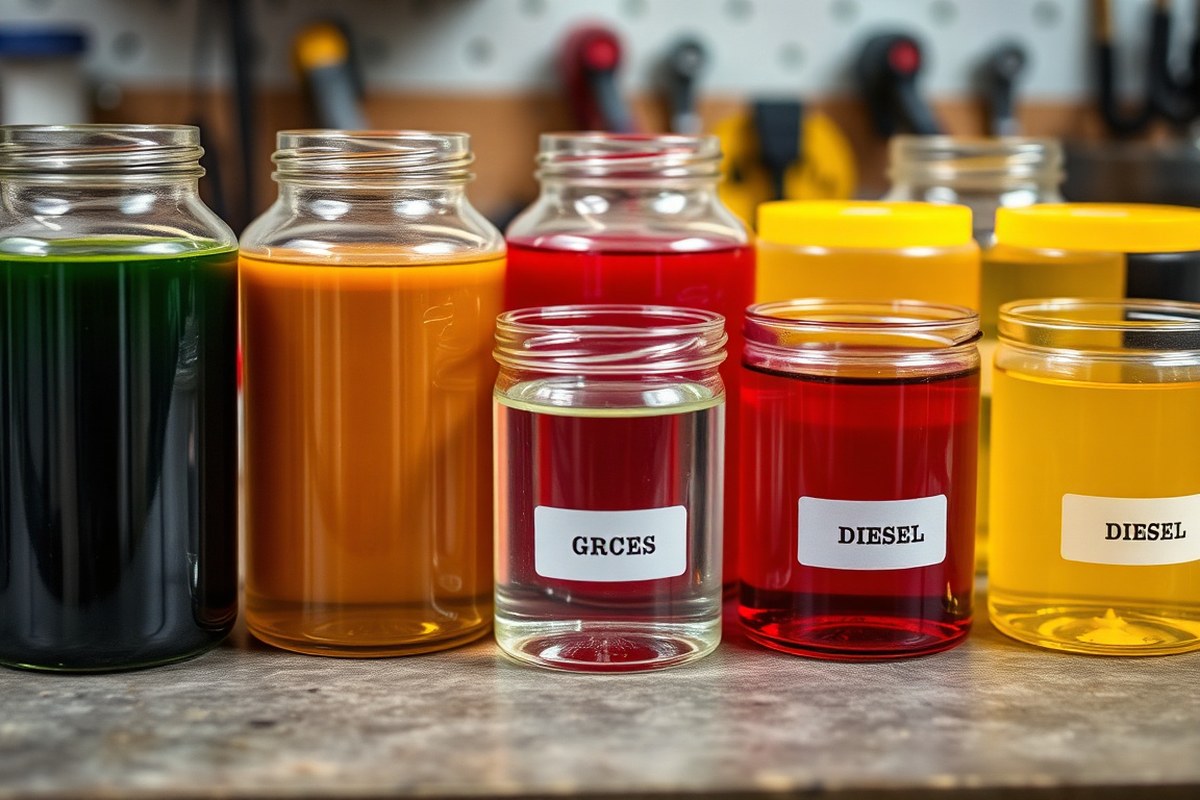
What colour is gas usually? Gasoline often looks clear or slightly greenish-yellow. This tint helps spot pure fuel and spot contamination early.
Gas comes in different colours mainly to show its octane rating. Regular gas is often a pale green-blue shade. Premium fuels can be clearer or have hints of other colours like pink or purple.
Besides octane, additives in the fuel can change its colour slightly as well. These colours also help fuel stations and mechanics identify the right type quickly. Color coding aids in preventing mistakes when filling vehicle tanks.
You should also watch out for cloudy or dark gas colours. They might mean the gas is old or dirty. Using fresh gas within a month keeps your engine running fine and avoids clogging fuel filters.
Key Takeaways
- Regular gasoline typically has a pale green-blue tint.
- Octane ratings affect gasoline colour for easy differentiation.
- Old or contaminated gas usually looks darker or cloudy.
- Use gasoline within 30 days for best fuel quality.
- Store gasoline in a cool, dry place to maintain clarity.
- Two-stroke engine gas is often dyed blue due to oil mix.
What Colour Is Gasoline Typically and Why?
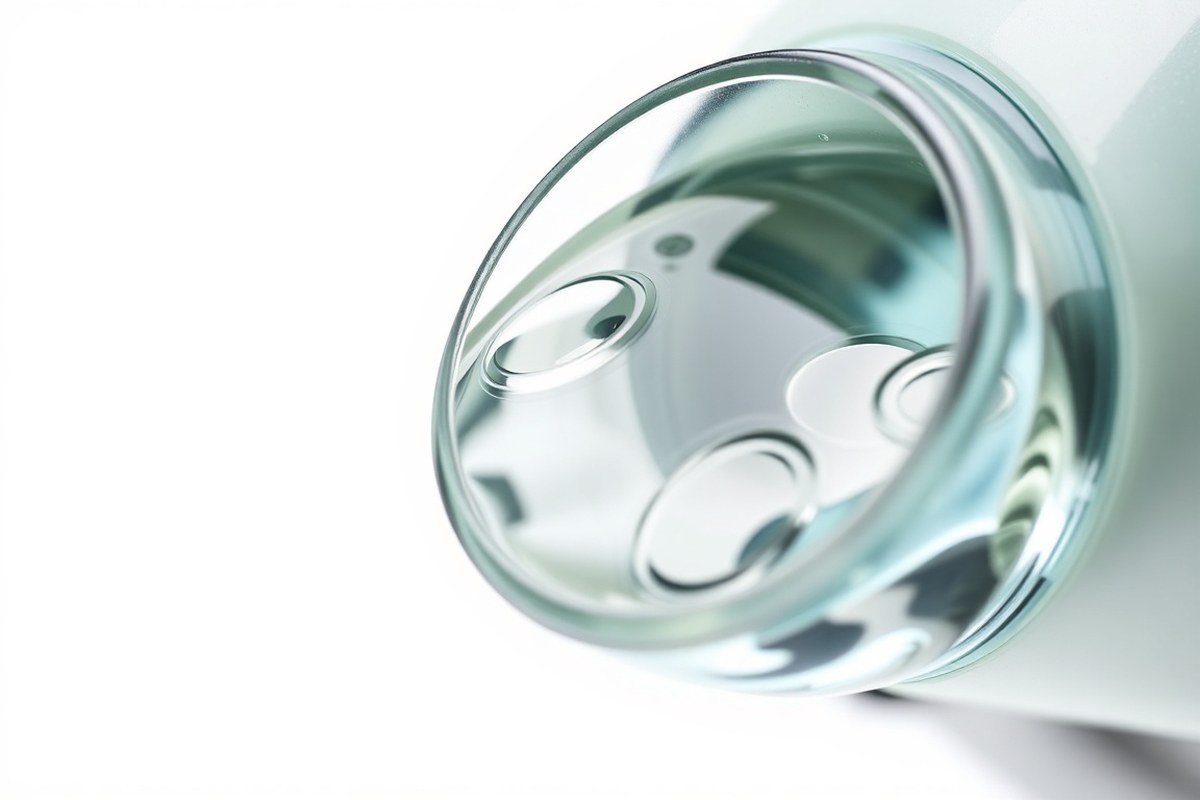
Gasoline is usually a clear liquid with a slight yellow or amber tint. This tint comes from the dyes and additives fuel companies add to distinguish types of gasoline. Pure gasoline, which contains no additives or ethanol, is nearly colorless or very faintly tinted.
The yellow hue you see is not the natural color of gasoline. It results mostly from dye added to mark mid-grade fuel. Regular and premium gasoline have different dye colors.
The tint helps you identify the fuel grade fast. This makes it easier to spot the right gas. Gasoline from different stations looks almost the same without dyes.
This makes it hard to tell them apart. Dyes help keep each fuel grade clear.
The base gasoline is almost clear because crude oil refining produces a light mixture. Gasoline color can vary from light yellow to pale brown. This depends on the crude source and additives used.
These small differences don’t affect performance. These small differences don’t change how well the gas runs in your engine. The main reason for the tint is regulatory and safety labeling, not performance.
Clear “water white” gasoline also exists at some stations, which means it has no dye added. This type is usually pure gas without ethanol, which costs more because it needs extra refining. The yellow or amber dye adds only a few cents per gallon.
It helps you quickly identify the fuel type. This cuts down on costly mixing mistakes.
Gasoline’s color can change if it ages or absorbs impurities. But fresh fuel at the pump typically has that light yellow tint. Your fuel looks green, blue, or unusual color if special dyes are added.
It could also mean the gasoline is contaminated. Look carefully at any strange tint.
Standard gasoline in cars is not naturally colored like this. Those colors come from fluorescent dyes or other additives.
How Gasoline Colours Indicate Octane Grades
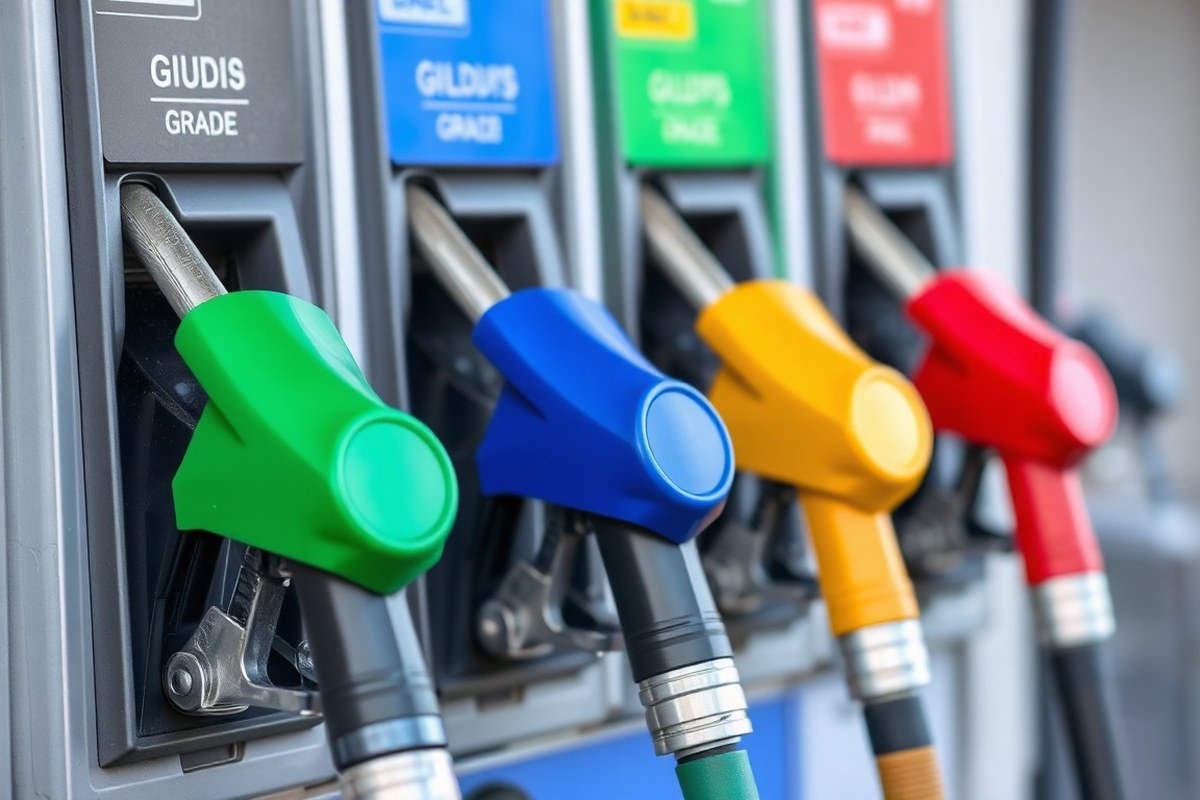
Gasoline colours can indicate octane grades. But these colours are not always reliable by themselves.
Different grades often have distinct tints or dyes to help drivers pick the right fuel. Knowing these colours can avoid engine knocking and improve performance.
Colour Codes for Regular Gasoline
Regular gasoline usually has an octane rating of 87. It is often clear or has a slight yellow tint. Sometimes it is dyed light green or blue-green.
This color helps stations and users spot unleaded standard fuel fast. Most passenger cars use this fuel type.
Regular fuel burns easily under compression with minimal knocking. Most drivers fill up with this because it is cheaper and fits most engines’ needs. The colour difference prevents confusion with higher octane fuels at the pump.
Midgrade and Premium Gasoline Colours
Midgrade gasoline falls between 89 and 90 octane ratings. It may carry a slight blue or purple hue to separate it from regular grades visually. This grade offers better engine knock resistance for vehicles needing more compression tolerance.
Premium gasoline usually rates between 91 and 94 octane and often appears pinkish or red-dyed. This colour helps drivers identify the highest quality fuel for performance or newer engines. Premium gas costs more but suits vehicles designed for higher octane levels.
| Colour | Meaning / Type | Common Use |
|---|---|---|
| Clear / Bright Yellow | Standard Unleaded | Passenger Cars |
| Pink / Red | Dyed / Untaxed | Farming / Construction |
| Blue / Purple | High Octane / Racing | Racing / Aviation |
| Dark / Black | Contaminated / Old | Do Not Use |
Colour differences help drivers avoid using the wrong fuel type. Pumps may label grades with specific colours matching these trends, making selection simpler under pressure. Engine owners should check both octane numbers and colours for best fuel matching.
Regional Variations in Gasoline Colour Coding
Gasoline colour codes are not uniform worldwide. Some countries may use green for premium fuels.
Others may use red or pink for midgrade and racing fuels. These differences mean you can’t rely solely on colour when travelling or buying internationally.
Local regulations and fuel additives also affect dye usage. It’s safer to check octane ratings on the pump instead of depending on colour alone. Pump labels with octane numbers give the exact grade regardless of the liquid’s shade.
Tip: Always confirm octane ratings on the pump label, not just the colour, before fueling.
What Does Old or Contaminated Gasoline Look Like?
Gasoline changes colour when it gets old or contaminated. Fresh gasoline usually looks clear or slightly amber.
Over time, it darkens to brown or even black. This happens because fuel breaks down and picks up impurities, which lowers its quality.
Bad gasoline often smells sour or like varnish, not like fresh fuel. Darker colour means the gas may clog fuel injectors and harm your engine. Take a small fuel sample in a clear bottle.
Hold it up to the light. Check the sample for clarity and color changes. Look for unusual cloudiness, dark patches, or particles floating inside.
Contamination can change gasoline’s look too. Water, dirt, or old fuel residue causes the liquid to look cloudy or murky.
These contaminants also make the fuel burn poorly and can cause engine problems. Don’t use gas that shows these signs.
- Colour shift from clear to dark brown or black
- Sour, sharp, or varnish-like smell
- Cloudy or milky appearance indicating water contamination
- Particles or sediment floating in the liquid
- Sticky or thick feel instead of smooth liquid
- Visible separation in the container (layers)
Old gas usually lasts up to 6 months before it gets stale. You can siphon out bad gasoline from your tank. Mix leftover gas with fresh fuel to dilute it.
Just don’t add too much old gas or you risk engine trouble. Dispose of really bad gas at a government-approved facility to protect the environment.
Checking the colour and smell helps you catch gas problems early. Using fresh, clean gasoline keeps your engine running smoothly and avoids costly repairs. Check your fuel before filling up your tank.
This is important if it was stored a long time. Also check fuel stored in suspicious containers.
Colours of Other Common Fuels and Gases
Diesel fuel is usually clear to golden yellow. Natural gas, propane, and butane are colourless gases. Their colour comes from how they burn or from container markings.
Diesel Fuel Colours and Uses
Diesel often looks clear or golden yellow. The colour depends on the refining process and any added dyes. Many diesel fuels contain dyes to tell types apart or show environmental compliance.
Different diesel grades may use red dye for off-road use. Clean diesel helps prevent engine deposits. Darker diesel can mean contamination or old fuel needing replacement.
Natural Gas, Propane, and Butane Colours
Natural gas, propane, and butane are all colourless in their normal state. They have no visible colour when compressed or stored. Their flame colour helps identify if they burn correctly.
A clean-burning natural gas flame glows blue, with some yellow or brown seen if impurities exist. Propane flames typically have a slight yellow tint. Butane flames also burn blue when efficient, making flame observation useful for safety checks.
| Gas | Colour Indication |
|---|---|
| Natural Gas | Yellowish or Brownish Flame (impurities) |
| Propane | Slightly Yellowish Flame |
| Butane | Colourless gas; Blue Flame |
| Methane | Blue Flame |
| Impurities | Yellow or Other Colours in Flame |
| Sulfur Compounds | Yellow or Greenish-Yellow Flame |
Noticing flame colour can help spot gas impurities or improper combustion. Colourless gases need careful handling and proper detectors for leaks.
Gas Cylinder Colour Standards for Identification
Gas cylinders use colour-coding to show their contents safely. For example, many countries use yellow cylinders for diesel-powered fuels. Red containers usually mean gasoline or other flammable liquids.
Separate gases by type and colour helps avoid mixing them up. This prevents dangerous situations during storage or transport. Regular training helps people identify gases by these colours.
What Do Gas Flame Colours Mean for Safety and Efficiency?
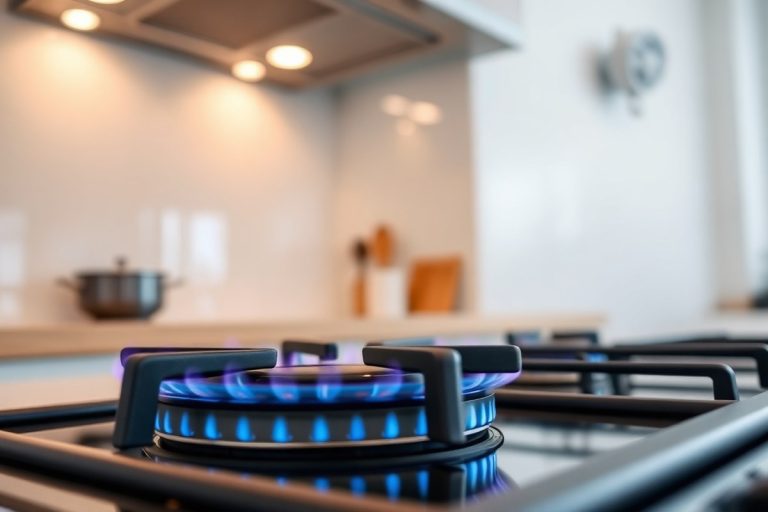
A blue flame shows your gas is burning clean and fully. This means the appliance uses fuel efficiently with less waste. Blue flames burn hotter, reaching temperatures above 3,000°F, which is ideal for heating or cooking.
Yellow or orange flames mean the gas isn’t burning completely. This incomplete combustion can form carbon monoxide, a dangerous gas that has no odor or colour. It also leaves soot and wastes fuel, making your appliance less efficient and unsafe to use.
Watch for yellow, flickering, or lazy flames on stoves, heaters, or boilers. Spot these signs?
Get a pro to check your gas appliance. Inspections usually cost between $75 and $200 and help prevent carbon monoxide poisoning and costly repairs.
You can troubleshoot simple flame issues by cleaning burner ports or checking air vents. Dirty or blocked parts often cause yellow flames by limiting oxygen flow. Constant yellow or orange flames mean trouble.
Call a licensed technician. They will inspect gas lines and ventilation.
The technician will adjust the air-to-gas ratio to restore a blue flame. This process improves combustion, saves fuel, and reduces harmful emissions. Regular maintenance every 1 to 2 years keeps your appliances running safely and efficiently.
Never ignore a yellow gas flame. It can signal a dangerous leak or incomplete combustion risks.
How and Why Gasoline Is Dyed: Chemicals and Purpose
Gasoline itself is clear. But it often has added dyes to show its type or use.
These dyes come in colors like red, green, blue, and yellow. The colors help users and regulators spot the fuel’s purpose or tax status quickly.
Typical dyes include Solvent Red 26 or 164 for red gasoline, often called red diesel. These reds mark fuel used for off-road or agricultural machines.
Green dyes usually tint gasoline meant for regular spark-ignition engines. Blue or green tints often identify diesel, differing from other fuels.
Adding dyes is both a legal and practical step. The dye shows if fuel is taxed or limited to certain uses. It marks fuel for farm machines or construction vehicles.
This helps enforce fuel rules. It also helps prevent misuse, like putting off-road fuel into cars that pay road taxes.
- Red dye: Solvent Red 26 or 164, marks untaxed off-road fuel
- Green dye: Often indicates regular gasoline or some diesel blends
- Blue dye: Common in diesel to separate it from gasoline
- Yellow dye: Sometimes marks specific diesel types or blends
- Pink dye: Used for off-road gasoline similar to red
Dyes cost little and mix easily into fuel during refining or distribution. Strict rules govern how much dye appears.
So it stays visible but does not affect engine performance. Fuel suppliers measure precise quantities to meet these standards.
Trying to add dye yourself is not recommended. Fuel producers handle the process under controlled settings to ensure safety and legal compliance. The colors seen at gas stations come from these rules.
They help make sure you buy the right fuel type. This prevents using wrong fuel in your vehicle or tool.
How Storage and Conditions Affect Gasoline Colour and Quality
Gasoline gradually changes colour as it ages and reacts to storage conditions. Fresh gas usually looks clear or light yellow. Over about a month, heat, air, and sunlight cause it to darken.
It can also sometimes turn brown. This happens due to exposure.
Heat speeds up chemical reactions in gasoline, which break down its components and cause colour shifts. Sunlight also triggers oxidation, making the fuel less stable and often darker. Keeping fuel in a cool, dry spot slows these changes and helps preserve its colour.
Using a fuel stabilizer extends gasoline freshness. It can keep the fuel good for one to three years. It slows oxidation.
It also slows chemical deterioration. Without stabilizers, gas stored longer than 30 days often changes color.
This color change means reduced quality. It shows the gas is aging.
Proper storage matters for both colour and fuel usability. Avoiding direct sunlight and high temperatures keeps gasoline clear and effective. Fuel stored near electrical panels or heat sources ages faster.
This can make the gas unsafe for engines. Avoid storing fuel there.
To help maintain gasoline quality and track its condition over time, follow these steps:
- Keep gasoline containers in a cool, dry, and well-ventilated area away from sunlight.
- Use fuel stabilizers if you plan to store gas longer than one month.
- Label containers with the date you filled them to monitor fuel age.
- Store gasoline in approved containers designed for fuel safety.
- Avoid storing gasoline near heat sources or electrical panels.
- Inspect stored gasoline regularly for colour changes or cloudiness.
- Use stored gasoline within 30 days if untreated, or up to three years with stabilizer.
- Dispose of old or discoloured gasoline safely before refilling tanks or equipment.
Identifying Gas Leaks and Unsafe Gas by Colour and Smell
Gas leaks usually do not have a visible colour in air or on surfaces. The leaked gas often disperses quickly, leaving no clear sign. You might see liquid fuel or gasoline on surfaces.
It may leak as clear, yellowish, or oily liquid. Watch for spots on floors, garages, or driveways.
The most reliable way to identify a gas leak is by smell. Natural gas and propane are usually odorless.
But suppliers add a strong, sulfur-like smell to help you detect leaks. A hissing or whistling sound near fuel tanks or lines can also signal a leak.
Knowing exactly what to do if you detect unsafe gas is key. Step away from the source immediately to avoid any spark causing a fire or explosion. Do not switch on or off any electrical items.
Don’t use your phone nearby. Then, call your local gas emergency number or 911 from a safe distance.
- Check for hissing sounds or unusual smells near gas equipment.
- Look for damp or oily spots on the ground or containers.
- Avoid flames, sparks, or electrical devices near suspected leaks.
- Open windows and doors to ventilate the area if safe to do so.
- Leave the area immediately if you strongly suspect a leak.
- Call emergency services without delay from a safe spot.
Gas flame colour can also hint at danger. A healthy gas flame burns blue. Yellow or orange flames might mean incomplete combustion.
This can release carbon monoxide, which is dangerous indoors. Monitoring flame colour keeps you safer and helps maintain your equipment.
Never ignore the smell of gas or any signs of a leak. Acting fast could save lives.
How Fuel Container Colours Help Identify Gas Types Safely
Fuel containers use colours to show what type of gas they hold. This helps avoid mixing fuels, which can damage engines or cause accidents. Certain laws support using these colour codes for safety and easy identification.
Common Fuel Can Colours and Meanings
Red fuel cans are the standard for storing gasoline safely. Yellow containers are specifically for diesel fuel, helping users spot the right fuel quickly. Blue cans usually hold kerosene, while green containers often store oil for equipment.
Using the right coloured container prevents putting diesel in a gasoline engine or vice versa. Mixing fuels can cause engine damage, poor performance, or even fire risks. Keep fuel types separate by following these colour codes strictly.
| Container Colour | Fuel Type | Common Uses |
|---|---|---|
| Red | Gasoline | Cars, lawn mowers, small engines |
| Yellow | Diesel | Trucks, generators, farm equipment |
| Blue | Kerosene | Heaters, lamps, some engines |
| Green | Oil | Chainsaws, outboard motors, two-stroke machines |
This table is a safe reference for which container to use for each fuel type. Choosing the wrong colour can lead to costly engine damage or dangerous situations.
Regulatory Guidelines for Fuel Containers
Fuel containers must meet certain safety rules to be legal and usable at gas stations. These laws include having leak-proof designs and using colour codes recognized nationally. Using approved jerry cans avoids fines and ensures safe fuel transport.
Many areas allow refilling fuel into a correctly colored can by law. You must use the right color can for the type of fuel. This rule helps keep fuel safe and legal.
This keeps fuels from mixing during transport or storage. Always check your local rules before buying or refilling fuel containers.
Some states may have extra rules about container sizes or materials. So buy from trusted dealers. Properly labelled containers help firefighters and emergency workers quickly identify fuels in accidents.
Best Practices for Using and Storing Fuel Containers
Always store fuel cans in cool, ventilated spots away from sparks or heat sources. Follow the colour codes strictly and label containers clearly if the paint fades over time. Keeping containers sealed stops dirt and moisture from spoiling fuel.
Buy new fuel stabilizers for fresh gasoline in red cans if storing more than one month. Avoid using additives on old or already degraded fuel as they won’t restore quality. This keeps your machine running smoothly and avoids hard engine starts.
When refilling equipment, match the can colour to the fuel type exactly. Mixing fuels, even accidentally, can cause engines to stall or break down. Label emptied containers clearly before reusing them for the same fuel only.
Step-by-Step Action Plan to Identify and Handle Gasoline Safely
Use this plan to check gasoline colour, quality, and safety in your vehicles and storage. Follow each step to know what the gas colour means and how to act.
- Before use: Check the gasoline colour in your tank. Clear or slightly yellow is normal; dark or cloudy means poor quality.
- Before filling: Look at the fuel container colour and label. Match it to the correct fuel to avoid mixing types that cause damage.
- During refuel: Notice the pump’s octane rating and colour codes, if present. Use the right octane for your engine’s needs to keep it running well.
- After storing fuel: Inspect stored gasoline monthly. Change it if it gets discoloured, has particles, or smells sour to prevent engine issues.
- When checking flames: Light a small burner safely. Watch the flame’s color closely. This helps with gas appliances. Blue means clean burning; yellow or orange signals a problem needing repair.
- Unsure about leaks? Use your nose and eyes to check carefully. Gasoline smell plus colour changes around fittings or tanks mean call a professional immediately.
- Regular maintenance: Clean your fuel system yearly. Clear fuel keeps your engine efficient and avoids damage from old or dyed gasoline buildup.
- Before long trips: Test fuel quality again. Use fresh, properly coloured gasoline for your vehicle to avoid breakdowns or performance loss.
Frequently Asked Questions
What Colour Is Gas in Older Cars with Lead Additives?
Gas with lead additives often appears clear or slightly yellow. Leaded gasoline was common before unleaded fuel became standard in the 1970s.
Why Is Race Fuel Often Dyed Bright Colors?
Race fuel typically has bright colors like purple or pink. This helps prevent misuse and signals its high octane and special additives.
Can Weather Conditions Change the Colour of Gasoline?
Yes, sunlight and heat can darken gasoline over time. Store fuel in a cool, dark place to keep its colour and quality stable.
Why Do Marine Fuels Have a Different Colour Compared to Regular Gas?
Marine fuels usually have a distinct green or blue tint. These dyes help identify them and meet specific environmental regulations.
Is the Colour of Fuel Linked to Environmental Contamination?
Sometimes, fuel colour changes can signal contamination with water or dirt. Regular inspection helps catch these issues before they harm your engine.
Before You Go
Gasoline colour helps you spot quality and fuel type quickly. Paying attention to fuel and flame colours keeps you safe and your engine smooth. Start by checking your fuel’s colour now to avoid problems later.



2 Comments