How Much Does a Moped Weigh? A Complete Guide with Practical Insights
How much does a moped weigh? Most mopeds weigh between 150 and 250 pounds.
Electric mopeds vary more, ranging from 100 to 300 pounds depending on their design. This weight affects how you handle and store your ride.
Lighter mopeds or scooters, like those made for commuting, usually weigh between 20 and 50 pounds. These are easier to carry and fit into tight spots like subway cars or small apartments. Weight influences portability and daily convenience more than power alone.
Start by deciding how much carrying you’ll do. You should pick a moped under 50 pounds if you carry it often. Heavier mopeds might offer more power but can get tiring to lift and store.
Key Takeaways
- Mopeds mostly weigh 150 to 250 pounds with some electric models heavier.
- Light commuter mopeds often weigh between 20 and 50 pounds for easier carrying.
- Choose a moped under 50 pounds when you carry it regularly.
- Heavier mopeds typically provide more power but reduce portability.
- Electric models vary widely, so check specific weights before buying.
- Consider where you’ll store your moped to decide acceptable weight.
Typical Weight Ranges of Mopeds by Type
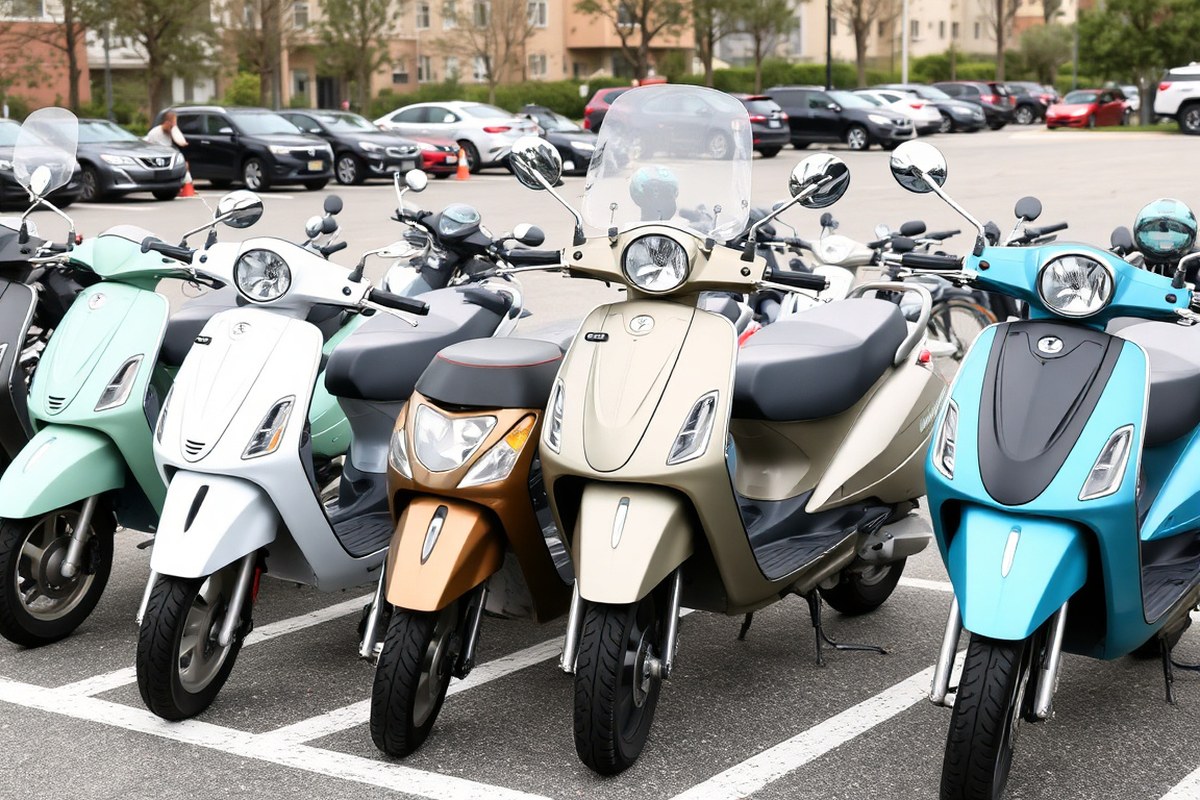
Moped weights vary a lot depending on the type. Gas-powered mopeds usually weigh more than electric ones.
Kick scooters are the lightest. Mobility scooters can be much heavier due to their design and components.
Gas mopeds often fall between 200 and 285 pounds. Electric mopeds have batteries and motors. They weigh less than gas models.
Their weight ranges from 100 to 300 pounds. Lightweight electric scooters typically weigh from 26 to 55 pounds, making them easy to carry.
| Type | Weight Range (lbs) | Weight Range (kg) | Example Models |
|---|---|---|---|
| Kids’ Kick Scooter | 4.5, 9 | 2, 4 | N/A |
| Adult Kick Scooter | 9, 18 | 4, 8 | N/A |
| Electric Commuter Scooter | 26, 55 | 12, 25 | Xiaomi Mi (27), Segway Ninebot ES4 (37), Razor E300 (36) |
| Electric Moped | 100, 300 | 45, 136 | Dualtron Thunder (85), Kaabo Wolf Warrior (95) |
| Mobility Scooter | 100, 330 | 45, 150 | Lightweight folding to heavy-duty bariatric models |
| Gas-Powered Moped (50-150cc) | 200, 285 | 90, 130 | Typical step-through gas scooters |
Typical electric mopeds with bigger batteries weigh about the same as a large dog. Lightweight folding mobility scooters range between 40 and 70 pounds, making them convenient for travel. Heavier models go up to 330 pounds and can carry bigger riders.
Choosing the right moped means thinking about how much you can lift or carry. The weight impacts how easy it is to store or load a moped in a car. Knowing this weight range helps you compare models and decide what fits your daily needs best.
Key Factors That Influence a Moped’s Weight
Frame Material Choices and Their Impact
The frame’s material affects the moped’s base weight. Aluminum frames are lighter, saving roughly 10 to 20 pounds versus steel. Steel frames add strength but add 15 to 25 extra pounds.
Manufacturers pick aluminum for folding or commuter models to keep weight down. Steel is favored in rugged or classic builds. The frame sets the groundwork for total mass and load capacity.
Battery Size and Motor Power Effects
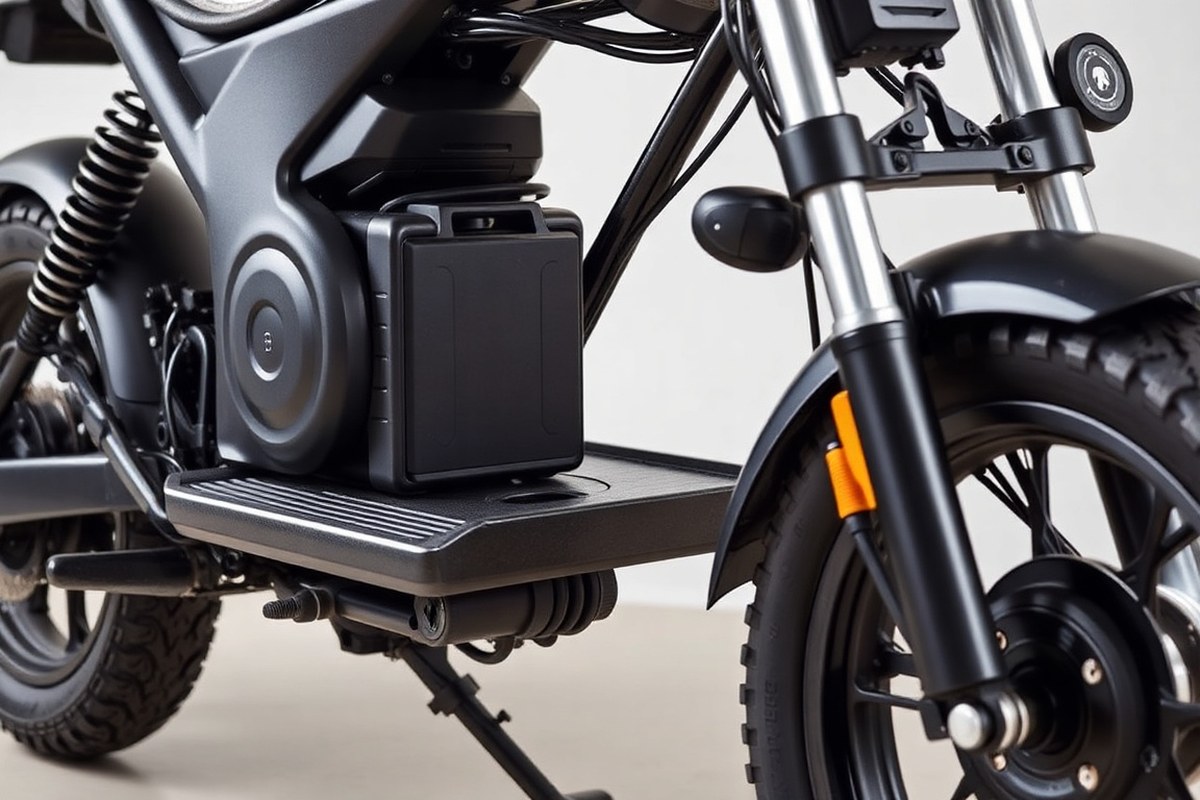
Batteries are the heaviest single part in electric mopeds. A larger battery pack can add 5 to 20 pounds. Bigger batteries store more energy, giving a longer ride range.
Motors also add weight, especially ones over 1000 watts. Powerful motors push weight beyond 60 pounds in total. Yet motor wattage controls performance more than weight alone.
Tires and Suspension Weight Contributions
Solid foam tires weigh less and never need inflation, ideal for lightweights. Pneumatic tires add weight due to rubber and air tubes but smooth the ride. Bigger tires add a few extra pounds too.
Suspension parts add weight because of springs and shocks. Comfort-focused mopeds usually have heavier suspension setups. Basic models might use rigid frames to save weight.
Add-Ons and Accessories Adding Weight
Extra features increase weight depending on what you add. Common add-ons include lights, racks, mirrors, fenders, and side bags. Each accessory can add from less than a pound up to 5 or more.
Heavier add-ons mean less cargo or passenger load capacity. Minimalist riders can save weight by choosing fewer extras. Some above 10 pounds can significantly affect handling and portability.
- Aluminum frame: 10 to 20 pounds lighter than steel
- Steel frame: adds 15 to 25 pounds but stronger
- Battery packs: add 5 to 20 pounds depending on size
- Motors over 1000W can push total weight beyond 60 pounds
- Solid foam tires weigh less than pneumatic tires
- Suspension adds weight due to springs and shocks
- Add-ons like racks or lights can add 1 to 5 pounds each
Heavier batteries give your moped more range. They also add extra weight. This makes it harder to carry and steer off-road or up stairs.
Understanding Weight Terms: Curb, Dry, and Gross Weight
Curb weight means the moped’s weight with fuel and parts. It includes a full gas tank and all standard parts. This shows how heavy the moped really feels when you’re ready to ride.
A common 50cc moped might weigh about 175 pounds. This includes fuel and oil.
Dry weight excludes fuel and other fluids like oil or coolant. It only counts the bike itself without anything that gets added before riding. That same moped with a dry weight of 165 pounds feels lighter on paper.
But it’s not the weight you handle daily. Dry weight is useful when you want to compare basic frame and engine weights across models.
Gross weight is the moped’s max safe weight. It includes rider, cargo, and the moped itself. The moped weighs 175 pounds empty.
It can safely carry about 225 pounds more. This weight limit is important to avoid overloading, which can hurt performance and safety.
Don’t confuse moped weight with how much you can ride on it. The curb or dry weight is just the moped’s own heft. The gross weight tells you the safe total weight including you.
You weigh 200 pounds. Choose a moped with a gross weight over 375 pounds.
Knowing these weights helps you pick a moped that matches your strength and riding style. Picking a heavy moped with low gross weight can be hard to control. It may also be tough to carry.
Look at curb and gross weight to find a balance. This helps with portability and safe carrying.
How Moped Weight Affects Riding Performance and Portability
Moped weight plays a big role in how it handles and performs. Lighter mopeds accelerate quicker and are easier to maneuver in tight city spaces. Heavier mopeds feel more stable at higher speeds and rough terrain.
They can be sluggish when going uphill. Expect better balance but less quickness uphill.
Carrying a moped depends on its weight and your strength. Mopeds under 50 pounds are easier to lift by yourself. They fit better in tight storage spots.
You can also transport them more easily. Use your legs, not your back, when lifting. Bend your knees, keep the moped close to your body, and avoid twisting while lifting.
Mopeds over 50 pounds need help lifting. Use wheels or ramps for safer handling. Don’t try to lift heavy models alone.
- Lift with legs, keep back straight and the load close
- Check the moped’s weight before attempting to carry it
- Use ramps or wheeled dollies for weights over 50 pounds
- For city commuting, sub-50-pound mopeds simplify storage and transit
- Heavier mopeds often have larger batteries and stronger frames
- Maneuverability improves as weight decreases, helpful in tight traffic
- Weight impacts how the moped brakes and turns, so balance matters
Weight affects more than just carrying; it influences safety and ride comfort. On slick roads, extra weight helps a moped stay grounded. Heavy mopeds need more storage space than lighter ones.
They are tougher to load onto bike racks. Carrying them on public transit can also be harder. Lightweight mopeds weigh between 20 and 35 pounds.
These are good for quick rides around the city. They might struggle a bit on hills though. Think about your daily routine before picking a moped.
If you store indoors or use buses, pick a lighter model. It will be easier to carry and store.
Safety Considerations Related to Moped Weight
Choosing a moped that suits your weight is key to safe handling. Riding a moped too heavy for you can cause balance issues and slower reaction times. This raises the risk of falls or accidents during sharp turns or quick stops.
Check your weight against the moped’s rated capacity. Pick a model with a safety margin of at least 10-20% above your weight. For example, if you weigh 180 pounds, choose a moped rated for at least 200 pounds.
A rating of 215 pounds or more gives added safety. This helps your moped handle weight well. This prevents strain on the frame and suspension.
The moped is too heavy if you struggle to steer or lift it. You should feel in control when handling the moped. Otherwise, pick a lighter one.
Choose lighter mopeds if you are new or ride in tight traffic. Models weighing 40 to 70 pounds work best for these riders.
They are easier to handle and maneuver. Lighter mopeds also help if you often ride uphill or need to carry it up stairs.
Do a safety check before riding your moped. Test how fast you can stop without falling over. This helps you ride safely and protect yourself.
Practice slow turns and simulations of sudden stops. Struggling to balance when stopping?
Pick a lighter moped or carry less load. This will make your ride safer and easier.
Wear properly fitted protective gear, especially a helmet certified for moped speeds. Fast stops or falls on a heavier moped can cause serious injuries without the right protection. Always follow local rules about weight limits and rider equipment.
Never ride a moped that feels too heavy to control easily. It increases crash risk and causes fatigue quickly.
Comparing Moped Weight to Motorcycles and Scooters
Mopeds usually weigh less than motorcycles but can overlap with some scooters. Motorcycles often weigh 300 pounds or more. Mopeds typically range between 50 and 150 pounds.
Scooters come in many sizes. Commuter models weigh about 24 pounds. Larger scooters can weigh close to 300 pounds.
A heavier moped doesn’t always mean it has a more powerful motor. Many lightweight mopeds come with high-performance motors and batteries that boost speed and range. Weight often reflects the frame, battery size, and extra features, not just motor power.
People often think a heavier electric moped is faster or stronger. But that isn’t always true.
Weight and power don’t have a simple link. Understanding the balance can help you avoid common mistakes when picking a vehicle.
| Vehicle Type | Typical Weight (lbs) | Common Engine/Power | Notes |
|---|---|---|---|
| Lightweight Electric Moped | 50, 150 | High-performance motors | Can outperform heavier models |
| Commuter Scooter | About 24 | Up to 20 mph speed | Ideal for urban travel, moderate range |
| Heavy-Duty Scooter | 50+ | Supports higher weight capacity | Performs better on rough terrain |
| Larger Scooter (e.g., Honda PCX 157cc) | 291, 294 | 157cc engines | Rides smoother but harder to store |
| Motorcycles | 300+ | Varied, generally powerful | Heavier and designed for higher speeds |
Checking dry weight alone can mislead, especially for electric models. Batteries add a significant extra weight to lift and carry.
Also, heavier mopeds need stronger brakes to stop safely. You should always match braking systems to weight for safer rides.
The Segway Ninebot MAX is a lighter model. It weighs about 42 pounds. Despite its weight, it still offers good power.
In contrast, heavier scooters often emphasize comfort and stability at the cost of portability. Choosing between weight and power means prioritizing your ride style and storage needs.
Portability Solutions for Heavier Mopeds
Foldable designs, removable batteries, and partial disassembly make heavier mopeds easier to move and store. These features matter if you carry your moped up stairs or load it into tight spaces. Using these options helps with transport even if the moped weighs over 50 pounds.
Foldable and Travel Moped Types
Some mopeds fold at the frame or handlebars to reduce size. A folding moped weighs about 26 pounds. It feels lighter because it folds easily.
It also has a handle. This design suits riders who take public transit or need to carry their ride upstairs.
Mopeds with travel-friendly features often include detachable or lighter lithium-ion batteries. Lithium-ion batteries weigh less and improve portability compared to lead-acid ones. Models with batteries designed for quick removal cut overall load when moving the moped.
Disassembly Techniques for Transport
Taking parts off your moped can greatly lower the weight you carry at once. Common pieces to remove are the seat, battery, and sometimes the front wheel or mirrors. This lets you handle smaller pieces instead of one heavy unit.
Disassembly is practical if your moped is too heavy or bulky for folding alone. Using tools provided with the moped or a basic wrench set, you can detach components safely. Keep parts together so you can easily reassemble later.
Carefully disconnect the battery first to avoid electrical shorts or damage during removal. Store the battery upright in a cool, dry place to protect it.
Using Carriers, Ramps, and Trailers
For mopeds over 50 pounds, tools like carriers or ramps ease loading into trucks or vans. A portable ramp lets you roll the moped up without lifting it. Trailers also offer a sturdy way to transport heavy mopeds over distances.
Strap the moped down securely using heavy-duty tie-downs or ratchet straps. This prevents sliding or tipping during travel. Carrying heavy mopeds by hand is risky and not recommended for long distances.
Step-by-step guide to prepare a heavy moped for transport:
- Park the moped on level ground and engage the brake.
- Remove the battery carefully and place it in a protective case.
- Detach any easily removable parts like the seat and mirrors.
- Fold the moped if it has folding features to reduce its size.
- Position a sturdy ramp against the vehicle loading area.
- Roll the moped slowly up the ramp into the truck or van.
- Secure the moped with ratchet straps at multiple anchor points.
- Double-check the battery placement and strap tightness before travel.
How to Choose the Right Moped Weight for You
Assess Your Strength and Lifting Ability
Pick a moped weight that matches what you can lift safely. Remember, you might need to carry it onto a bus or lift it into storage. Try lifting the moped or test similar weights at a store before buying.
Consider your regular tasks with the moped, like pushing it uphill or moving it when parked. Avoid models heavier than you can manage easily, especially with added gear. This prevents strain and accidents while handling your vehicle.
Consider Your Riding Environment and Commute
Think about where and how far you’ll ride. City traffic often means tight turns and stopping, so a lighter moped improves maneuverability. For rough or uneven paths, pick one with more weight and sturdier suspension to absorb bumps.
Your commute length also affects weight choice. A heavier moped may have a bigger battery for longer rides but adds carrying weight. Balance battery size, frame strength, and weight for your usual routes and conditions.
- Light mopeds (around 100 to 150 pounds) handle city stops and starts well.
- Heavy mopeds (150 to 220 pounds) suit uneven roads or longer commutes.
- Consider weight distribution to keep stability.
- Stronger frames increase durability but add extra pounds.
- Extra accessories like larger batteries add 8 to 15 pounds.
- Suspension upgrades add 3 to 5 pounds to total weight.
Choose a weight that fits your usual ride and balances comfort with performance. This helps avoid fatigue and improve safety during your daily travel.
Verify Weight Specs When Shopping
Check the full curb weight of the moped, not just the dry weight. Curb weight includes fluids, battery, and accessories you’ll use daily. Ask the dealer for detailed specifications, especially if weight affects storage or transport needs.
Look for the weight on the manufacturer’s sticker or user manual. When shopping online, carefully check product descriptions before you buy. You can also ask for a demonstration or a weigh-in if the store allows.
Always try lifting the moped yourself before you buy it. See if it matches your strength. Also, check if you feel comfortable handling it.
Common Mistakes and Myths About Moped Weight
Many riders focus only on speed or price when picking a moped. They overlook how weight affects control, storage, and transport. Buying too heavy a model makes it hard to move.
It gets worse if you live in an apartment. Carrying it on public transit can be a challenge too.
Some buyers believe lighter mopeds must be less powerful or less durable. That’s not always true. Lightweight models like the Unagi at about 26 pounds can still zip around town efficiently.
Heavy-duty mopeds like the Dualtron X can weigh over 140 pounds. They come with stronger motors and longer battery life. These mopeds suit riders who need more power and range.
- Myth: Lighter means weaker. Correction: Light mopeds can have strong motors.
- Mistake: Ignoring curb weight and only checking dry weight.
- Myth: Heavier mopeds are always harder to ride. Some handle stability better.
- Mistake: Not measuring doorways and storage space before buying.
- Myth: Weight doesn’t affect battery range. Heavier mopeds often have bigger batteries.
- Mistake: Overestimating your ability to carry or lift the moped daily.
Weight terms like curb and dry weight confuse many buyers. Curb weight includes fluids and sometimes battery, which affects daily handling.
Dry weight sounds better but leaves out the fluid weight. Knowing both helps avoid surprises when you pick up your moped.
Picking the wrong weight often leads to frustration. Too heavy and you could hurt your back lifting it. Too light and you might feel unsafe in strong winds or uneven roads.
Consider your usual routes, storage space, and physical ability. That way, you pick a moped weight that fits your lifestyle without trade-offs you regret.
Step-by-Step Action Plan for Choosing Your Moped Weight
Picking the right moped weight starts with understanding your needs and ends with a confident choice. Follow these steps to find your perfect fit.
- Before you buy: Measure where you plan to store or carry your moped. Make sure it fits easily in your space.
- Day 1: Test ride mopeds in different weight categories. Notice how each one handles and what feels comfortable.
- Week 1: Check the manufacturer’s curb and gross weights on models you like. Compare their portability and performance.
- Week 2: Consider your physical ability to lift or move the moped. Try lifting with help or alone to avoid surprises.
- After 3 weeks: Review your daily commute or riding conditions. Decide if a lighter or heavier moped suits your travel better.
- Week 4: Chat with current owners about their weight and safety experience. You can also visit online forums. These give useful info on real-life use.
- Final decision: Choose a moped that balances your comfort, safety, and storage needs. Confirm it meets your most important criteria.
Frequently Asked Questions
How Much Does a Typical Gas Moped Weigh?
Most gas mopeds weigh between 150 and 250 pounds. This weight comes from the engine, fuel tank, and a heavier frame.
Are Electric Mopeds Heavier Than Traditional Mopeds?
Yes, electric mopeds usually weigh between 100 and 300 pounds. Battery size and frame material add to the weight difference.
Can the Weight of a Moped Affect Fuel Efficiency?
Heavier mopeds generally use more fuel than lighter ones. This is because more effort is needed to move their extra weight.
Is It Safe to Lift a Moped Alone?
It depends on the moped’s weight and your strength. Mopeds over 150 pounds can be tough to handle alone safely.
Does Adding Accessories Increase a Moped’s Weight Significantly?
Yes, adding racks or larger batteries adds more pounds. Each extra part can affect handling and portability.
Key Points to Remember
Knowing how much a moped weighs helps you pick one that suits your lifestyle. Start by testing mopeds so you know what feels right. Then take action to get your perfect ride and enjoy easy, safe travel.