
Can You Mix 87 and 89 Gas? A Complete Guide with Facts and Tips
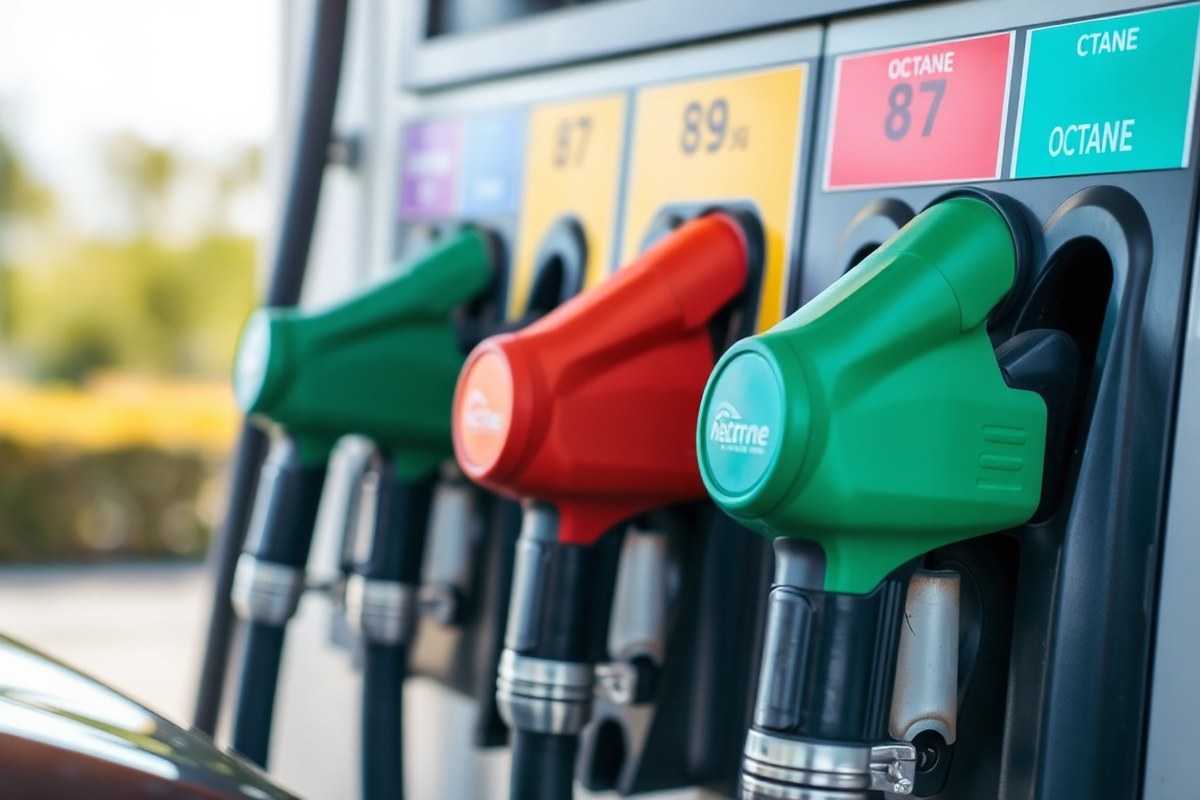
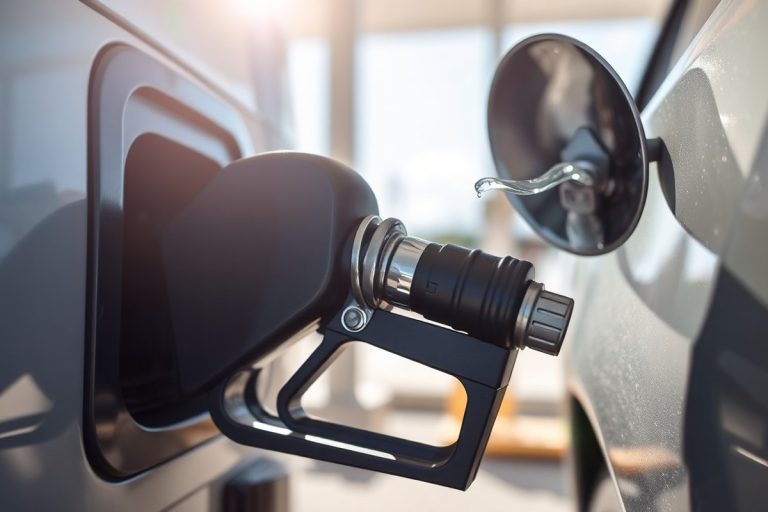
Can you mix 87 and 89 gas? Yes, you can mix these two octane levels safely without harm.
Mixing creates a fuel blend with an octane rating between the two numbers. Your engine will handle this blend well under normal driving conditions.
Start by filling your tank carefully to avoid contamination from lower or higher octane fuels. Mixing 87 and 89 gas won’t hurt your engine. Your manual says 87 octane works fine.
So, it’s safe to use both together. Just avoid repeatedly using lower octane than recommended to keep your engine running smoothly.
Although it’s fine to mix 87 and 89 fuel occasionally, watch for engine knocking. That noise means your engine needs higher octane, so stop mixing and switch fuels. Keeping an eye on your car’s performance helps prevent long-term issues from poor fuel choices.
Key Takeaways
- Mixing 87 and 89 octane gas is safe for most regular engines.
- The resulting blend’s octane rating falls between the two numbers.
- Always check your owner’s manual before mixing different octane fuels.
- Watch for engine knocking after mixing fuels and adjust octane as needed.
- Don’t use lower octane gas consistently if your car requires higher octane.
- Mix fuels at the pump carefully to avoid cross-contamination.
Can You Mix 87 and 89 Octane Gasoline Safely?
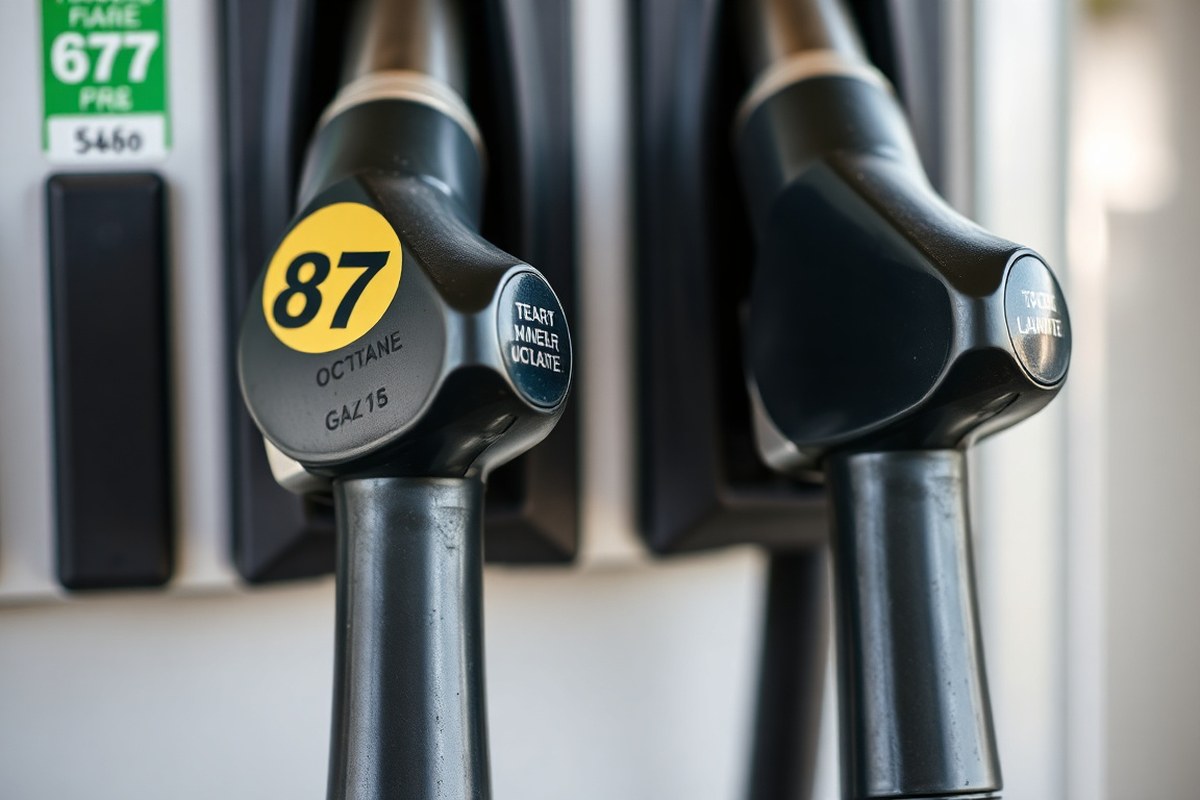
Mixing 87 and 89 octane gas won’t damage your engine. The mix creates a new octane level between 87 and 89. For example, half 87 and half 89 gives a rating near 88.
To find the blend’s octane, first convert gas amounts to percentages. Multiply each percent by its octane number separately. Then add those two results to get the total.
Putting 50% 87 octane and 50% 89 octane together gives (0.5 × 87) + (0.5 × 89) = 88 octane. This blended octane rating means your fuel resists engine knocking better than straight 87 octane gas.
Mixing these grades won’t damage your engine. Your car’s computer adjusts for small differences in octane. Still, the engine runs best on the octane your manufacturer recommends.
Using a mix in an emergency is fine for short-term use. Don’t make blending different octanes a regular habit. Stick to recommended fuel normally.
Understanding the Difference Between 87 and 89 Octane Fuel
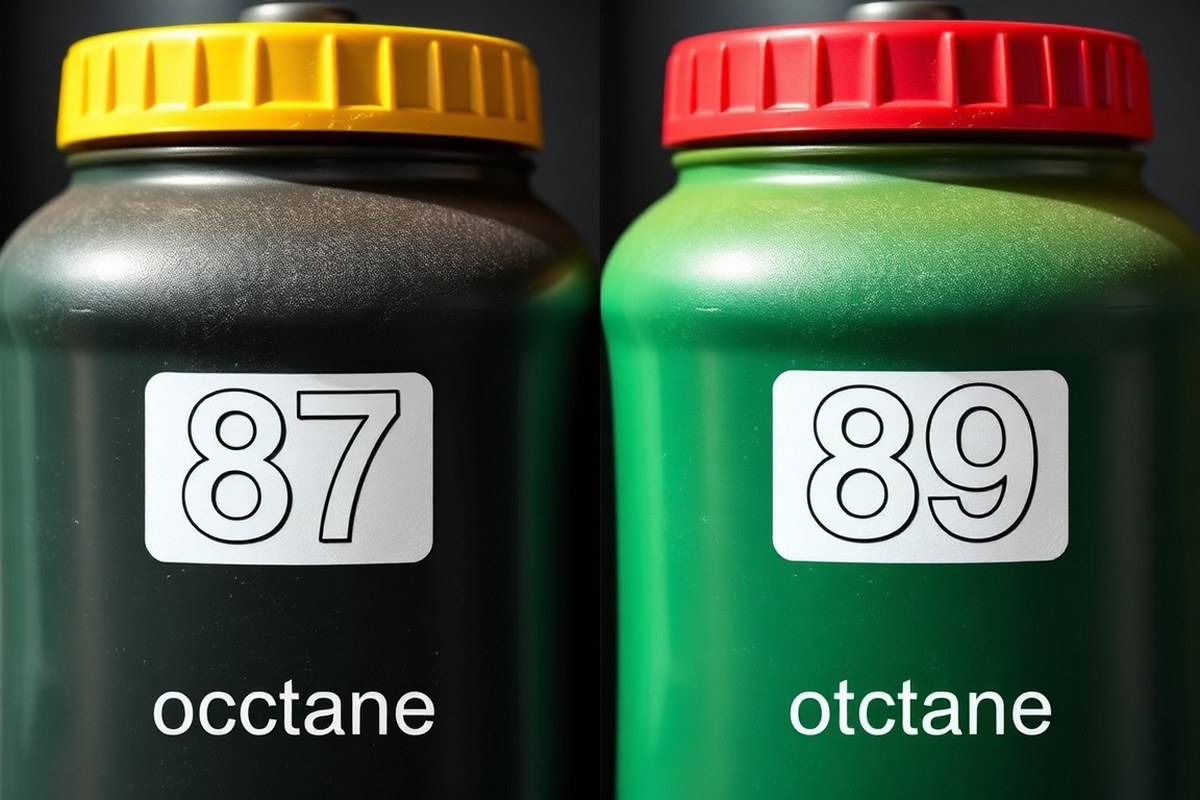
Octane rating shows how well fuel resists knocking in the engine. Regular gas is 87 octane, while mid-grade gas is usually 89 octane. The higher number means the fuel can take more compression before igniting prematurely.
Many drivers wonder if mid-grade gas is just a mix of regular and premium fuels. Actually, 89 octane is a higher grade with additives or different refining. It is not just a mix of 87 and 91 octane.
This makes 89 octane work differently in engines. If you mix 87 and 89 octane yourself, the result changes.
The octane level will be between 87 and 89. It depends on how much of each you use.
Most gas in the U.S. Contains about 10% ethanol, labeled E10. Ethanol has a high octane rating, which can raise the fuel’s overall octane. But it also burns differently than pure gasoline, affecting how the fuel performs in engines.
| Fuel Grade | Octane Rating | Ethanol Content | Typical Use |
|---|---|---|---|
| 87 (Regular) | 87 | Up to 10% (E10) | Most everyday vehicles |
| 89 (Mid-Grade) | 89 | Up to 10% (E10) | Cars needing slightly higher resistance to knocking |
| 91, 93 (Premium) | 91, 93 | Up to 10% (E10) | High-performance or luxury vehicles |
Adding ethanol boosts octane, but the fuel’s base still affects engine response. Both 87 and 89 octane fuels are commonly E10.
So their difference comes mainly from refining techniques and additives. When mixed, you get a fuel rating between 87 and 89, roughly 88 if blended evenly.
Keep in mind that fuel additives can’t fix octane rating differences between 87 and 89 gas.
Modern engines adjust ignition timing to handle small octane changes. That means mixing 87 and 89 won’t usually harm your engine. Still, always check your owner’s manual to know the lowest octane rating safe for your vehicle.
How Mixing 87 and 89 Gas Affects Engine Performance
Mixing 87 and 89 octane gasoline changes the overall resistance to engine knocking. This affects how smoothly your engine runs and its fuel efficiency. Engines sensitive to octane can experience slight performance shifts based on the mix.
What Octane Rating Means for Performance
Octane rating shows how well fuel resists knocking, which is early ignition inside the cylinder. When fuel ignites too soon, it causes a knocking or pinging noise and reduces engine efficiency. Higher octane fuels like 89 resist this better under pressure and heat than 87.
Combining 87 and 89 octane blends their resistance to knock. The result is a fuel somewhere between the two ratings.
This mix helps avoid 87 octane’s lower knock resistance. It might not match the full 89 level exactly.
How Mixing Fuels Affects Engine Behavior
Using a fuel mix leaning more toward 87 octane can decrease engine performance slightly. The engine may produce less power or respond slower under load. Fuel efficiency also might dip a little since the engine timing could adjust to prevent knocking.
Your car can usually handle mixed fuel if designed for 89 octane. It might knock during heavy acceleration though.
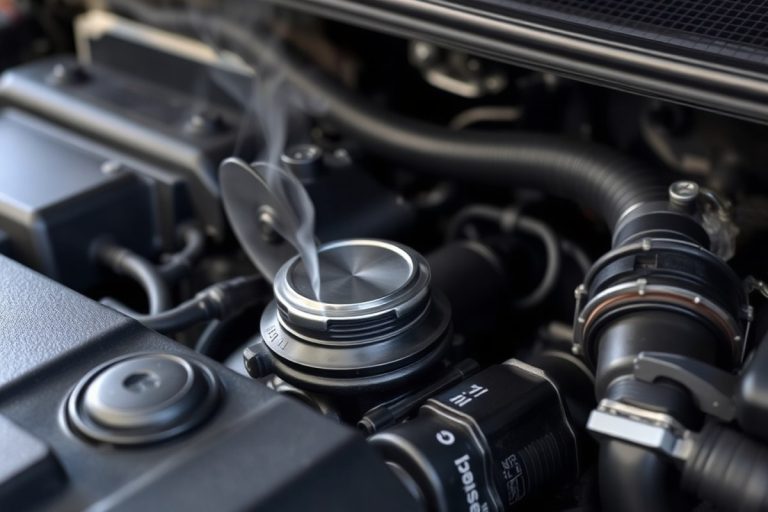
Knock sounds like sharp tapping or pinging coming from the engine bay. This indicates the air-fuel mixture isn’t burning evenly.
Signs and Risks of Engine Knock
Knocking shows up as rhythmic, metallic pinging during acceleration or hill climbs. It may cause a rough idle or reduced responsiveness. In cars without knock sensors, repeated knocking can wear down engine components over time.
Modern engines often adjust ignition timing to reduce knocking using sensors. But older engines lack this.
They might sustain damage if low-octane fuel continues. In these cases, sticking closer to the recommended octane helps avoid long-term harm.
Tips for Managing Mixed Octane Fuel
Try to fill up with the octane your owner’s manual recommends most of the time. You should try to blend closer to the higher octane rating.
This helps lower the chance of knocking. Pay attention to engine sounds, especially under heavy throttle.
When driving an older car with no knock sensors, watch for any knocking noises. Hear knocking sounds?
Add higher octane fuel at your next fill-up. Using cleaner, higher-quality fuel also helps maintain smoother engine operation.
Long-Term Risks of Using Lower Octane Gas Than Recommended
Using 87 octane gas in a car designed for 89 can cause several long-term problems. Your engine may start knocking because the lower octane fuel ignites too soon under pressure. This knocking stresses engine parts and can reduce your car’s power and efficiency.
Knocking is detected by your car’s knock sensors, which then adjust timing to prevent damage. However, constant knocking can wear down the engine over time. It may also harm the emission control system, increasing pollution and possibly causing costly repairs.
- Reduced engine performance and power output
- Lower fuel efficiency and more frequent fill-ups
- Increased risk of engine knocking and damage
- Possible harm to emission control components
- Voiding manufacturer’s warranty in some cases
Older engines are more sensitive to low octane fuel, showing knocking quickly. Newer cars with advanced sensors can handle small octane drops but still lose power. Over months or years, using 87 instead of 89 can cause gradual wear and poor running.
It’s best to stick with the fuel grade recommended in your owner’s manual. Skipping the right octane saves a few cents but can add repair costs later. Regular upkeep like oil changes helps your engine work better.
Change filters often to keep things running smoothly. But these won’t fix damage from using low octane fuel.
When Mixing 87 and 89 Gas May Be Beneficial or Acceptable
Mixing 87 and 89 octane gas is sometimes okay, especially if you need fuel quickly. It can be better than using only 87 in a few cases. Your car’s type and engine tech also affect whether mixing works well or not.
Emergency Situations Where Mixing Is Acceptable
Running out of gas with no right grade nearby? Mix 87 and 89.
It beats running empty or driving far to find the exact fuel. Use this mix just to reach a station with your usual gas type.
Pouring different octanes won’t harm your engine immediately in a one-time emergency. The engine’s computer adjusts fuel timing to handle small octane changes. Still, avoid making mixing a regular habit.
Vehicle Types Tolerant to Mixed Octane
Most cars designed for 87 octane run just fine with a mix of 87 and 89. They won’t gain much fuel economy or power but won’t face harm either. Mid-grade fuel can help if your engine struggles on hills or hot days.
Modern engines with knock sensors and engine control units (ECUs) adjust well to varied octane. They prevent knocking and tune performance regardless of slight octane differences. High-performance or premium-only engines are more sensitive though.
When to Avoid Mixing Octane Grades
Don’t mix grades if your car needs premium fuel (91 or higher). Using 87 mixed with 89 won’t protect against knocking in these engines under load. Regularly using the wrong fuel grade can reduce power and harm your engine.
Also, avoid mixing if the weather is extremely hot or you drive way uphill often. These conditions demand stable octane ratings for smooth engine operation. Mixed fuel might cause rough running or reduced efficiency in such cases.
Always check your owner’s manual for the right octane and avoid mixing regularly.
Cost and Performance Comparison of 87, 89, and 91 Octane Gasoline
Choosing between 87 and 89 octane fuel depends on cost. It also depends on if your car benefits from higher grades. On average, 89 octane costs about 10 to 15 cents more per gallon than 87 octane.
For example, if 87 octane is $3.00 per gallon, expect 89 to run about $3.10 to $3.15. Most cars made for 87 octane won’t gain power from 89.
They also won’t get better mileage from spending more. So you might just be paying more without real gain.
Fuel economy won’t change much because engines for regular gas are tuned for 87 octane. Using 89 or mixing it with 87 just averages the octane rating but doesn’t boost efficiency. Your car’s engine management system adjusts to regular fuel.
So you won’t see notable performance lifts driving normally. Higher octane fuels help mostly turbocharged or high-compression engines. Most family sedans and commuter cars don’t need it.
| Fuel Grade | Typical Cost Difference | Fuel Economy Impact | Performance Benefit (in 87-Designed Cars) |
|---|---|---|---|
| 87 Octane | Base price (e.g., $3.00/gal) | Optimized for standard engines | Standard performance, no extra benefit needed |
| 89 Octane | About 10-15¢ more than 87 | No significant change compared to 87 | No noticeable power or efficiency gain |
| 91 Octane (Premium) | Typically 30-50¢ more than 87 | Some gains in high-performance engines only | Required for certain engines; not beneficial in 87-cars |
Mixing 87 and 89 gives you a fuel blend with an octane rating between the two. For instance, half a tank of 87 and half 89 yields about 88 octane. Using 89 octane won’t damage your engine if it needs 87.
But it won’t boost efficiency or power either. Spending extra on 89 only pays off if your vehicle’s manual recommends or requires it. Otherwise, you’re mostly paying more without meaningful benefits.
Cars designed for 87 octane won’t drive faster or farther on 89. Don’t expect better mileage or speed from higher octane. The engine control systems in these vehicles optimize for regular fuel.
Using 89 octane costs more but doesn’t improve mileage much. AAA research says it also doesn’t cut emissions significantly.
Save money and use 87 octane gas unless your car needs 89. Turbo or sports engines usually call for higher octane fuel.
How to Avoid Accidentally Mixing Fuel Grades at the Pump
Check your owner’s manual before filling up. It shows the exact octane your car needs.
The fuel door or inside the gas cap usually repeats this info. Using the right octane avoids engine knocking and saves money.
Always read the pump labels carefully. Different stations sometimes put mid-grade and regular close together.
Take a second to confirm the number before starting the pump. That pause helps avoid mixing 87 and 89 octane by mistake.
Here’s a list of actions to prevent mixing octane grades:
- Keep your owner’s manual in the glove box or on your phone.
- Look at the fuel door sticker before pumping gas.
- Confirm the octane number on the gas pump before you fill.
- Use a reminder sticker on your dashboard if you forget the octane.
- Fill up at stations you trust to label pumps correctly.
- Ask the attendant if you aren’t sure about the pump’s fuel grade.
- Refuel at similar times and places to build a good habit.
Sometimes pumps mix 87 and 89 octane fuel underground if one runs out. This creates a blended octane, usually around 88, without your knowing. Knowing this helps you decide when to stop and fill somewhere else.
Educate yourself on octane levels and avoid guessing. Your car performs best with the recommended grade, especially in newer models. Sticking to one grade helps maintain engine health and consistent fuel economy.
What to Do If You Accidentally Mix 87 and 89 Octane Gasoline
Mixing 87 and 89 octane gasoline in your tank is not usually harmful. The fuels are compatible and made for most vehicle engines. When you don’t hear engine knocking or see poor performance, stay calm.
It’s good to watch how your car runs. Take action if it seems off. Follow these steps to handle the situation safely and know when to consult a mechanic.
- Drive gently for the first few miles after filling up. This lets your engine adjust to the mixed fuel.
- Listen for unusual engine sounds like knocking or pinging. These noises may mean the fuel mixture isn’t burning correctly.
- Watch for changes in acceleration or hesitation. Lag could suggest your engine struggles with the lower octane.
- Spot engine knocking? Use the right octane fuel at your next fill-up. Avoid hard acceleration until then.
- Consider using a fuel additive designed to increase octane rating. These can help if your engine needs higher resistance to knocking.
- Look in your owner’s manual for tips on octane mixing or additives.
- Visit a mechanic if knocking or bad performance lasts more than one tank. Watch for warning lights on the dashboard.
- Clean your fuel system often, especially when you switch fuel types or brands.
Avoid using octane boosters frequently; they can damage components if misused. Use additives only as a short-term fix.
How Modern Engine Technology Handles Mixed Octane Fuel
Your car’s engine control unit (ECU) and knock sensors work together to handle mixed fuel octane. They detect lower octane quality and adjust engine settings to protect the engine from damage. This helps your vehicle run safely even if you mix 87 and 89 octane gasoline.
How Knock Sensors Detect Low Octane
Knock sensors listen for knocking sounds caused by early combustion. When fuel ignites too soon, it creates strange vibrations inside the engine. The knock sensor senses these vibrations.
It sends a signal to the ECU. The ECU then fixes the timing.
These sensors detect tiny irregularities millions of times per second. That quick response can stop serious engine damage from happening. However, consistently low octane fuel might still cause problems over time.
ECU Adjustments to Timing and Combustion
The ECU uses knock sensor data to delay ignition timing. This prevents the fuel-air mixture from detonating too early, which could harm the engine. Retarding timing sacrifices a bit of power but keeps the engine safe.
Modern ECUs also adjust other factors like fuel mixture and spark strength. These changes help keep your engine running smoothly even with mixed octane fuels. Still, the engine might run less efficiently if the octane is too low regularly.
Regional Fuel Variations and Impact on Mixing
Gasoline formulations differ by region, affecting how your engine responds to mixed fuel. Some areas add different detergents or oxygenates that can slightly change combustion. These differences affect mixing 87 and 89 octane fuel.
Results can vary. It depends on where you fill up.
Local fuel quality can also influence how sensitive your ECU and sensors are. Fuels with lower purity or regional additives might cause more knocking. Your vehicle’s electronics work harder with mixed fuel.
They adjust and protect the engine. This happens under mixed fuel conditions.
Quick-Start Action Plan for Mixing 87 and 89 Octane Gasoline
Follow these steps to mix 87 and 89 octane gas safely. Use the right proportions and add them to your vehicle’s tank.
Then watch how your engine performs over time. This plan helps you avoid engine trouble and keeps your car running smoothly.
- Before You Fill Up: Check your owner’s manual for the recommended octane rating. Use at least the minimum grade specified to prevent engine knocking.
- At the Pump: Fill your tank mostly with 87 gasoline first. Then add the 89 grade fuel to achieve the desired octane blend.
- Right After Fueling: Start your engine and listen closely for knocking or pinging sounds. No noises mean your engine handles the mix.
- First 50 Miles: Drive normally and avoid heavy acceleration. Watch for any drop in power or rough running.
- After 1 Week: Reassess your car’s performance. Notice engine knock? Change back to using just the higher octane fuel.
- After 2 Weeks: Decide if mixing fuel grades suits your driving habits and car’s response. The engine runs well? Using this mix may help you save money.
- Monthly: Keep your fuel tank clean and avoid running very low on gas. Low fuel can cause inconsistent octane mixture and hurt performance.
Frequently Asked Questions
Can I Mix 87 and 89 Gas in My Older Car?
Yes, mixing 87 and 89 gas is generally safe for older cars. It won’t harm the engine and can help avoid running out of fuel. Just don’t expect a big boost in performance or efficiency from the higher octane.
Is Mixing 87 and 89 Gas Good for Fuel Economy?
Mixing 87 and 89 octane gas usually won’t improve fuel economy much. Any gains tend to be minimal since most engines are tuned for regular octane. Stick with your manufacturer’s recommended grade for the best mileage results.
Can Mixing 87 and 89 Gas Cause Engine Knocking?
Unlikely, especially with modern engines designed to handle slight octane variations. Knock sensors usually protect your engine when it needs higher octane.
They help stop damage by adjusting the engine’s timing. Watch for persistent knocking though, as it means you should use a higher octane.
Does Mixing 87 and 89 Gas Affect Emissions?
Mixing these octane levels generally has little effect on emissions. Your car’s emission system adjusts to different fuel blends. Using recommended octane helps maintain cleaner emissions and engine efficiency over time.
Can Mixing 87 and 89 Gas Void My Warranty?
In most cases, no. Automakers typically allow fuel grades within certain ranges. Using mixed octanes like 87 and 89 usually won’t void your warranty.
Just follow what the owner’s manual says. Ignoring it might cause problems.
Final Thoughts
Mixing 87 and 89 octane gas is generally safe for most cars if done right. Keep an ear out for engine knocking and stick to your vehicle’s fuel needs. Next time you fill up, try mixing small amounts to see how your car responds.


One Comment