How Fast Is an 80cc Dirt Bike? Full Guide on Speed, Differences & Safety
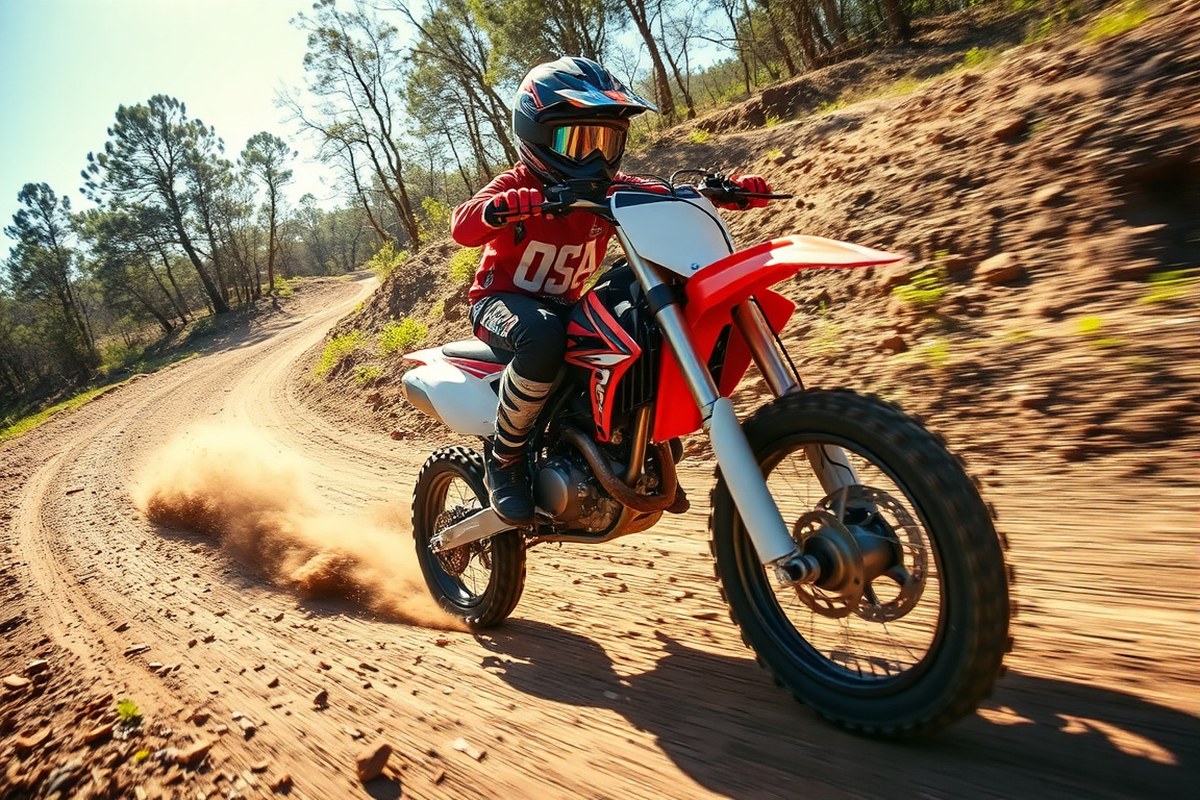
How fast is an 80cc dirt bike? Most models reach top speeds between 45 and 55 miles per hour. Some fast models, like the KTM 85 SX, go even faster.
They can reach speeds up to about 70 mph. The engine size and type mainly control how fast the bike goes.
Your weight changes the bike’s speed, too. Lighter riders, especially under 150 pounds, often get better acceleration and top speed. Keep this in mind when choosing the right bike or when kids grow and gain weight.
Terrain also affects speed. Smooth tracks let the bike hit top speed easier than rough trails or uphill climbs. Watch these factors closely to know what speed to expect in different conditions.
Key Takeaways
- The average 80cc dirt bike tops out at about 45-55 mph.
- Lighter riders (under 150 lbs) usually get higher bike speeds.
- High-performance models like the KTM 85 SX can reach 70 mph.
- Rough terrain and hills lower your bike’s top speed noticeably.
- Engine type, 2-stroke or 4-stroke, impacts acceleration and speed.
- Checking rider weight helps pick the best 80cc dirt bike for speed.
What Is the Typical Top Speed of an 80cc Dirt Bike?
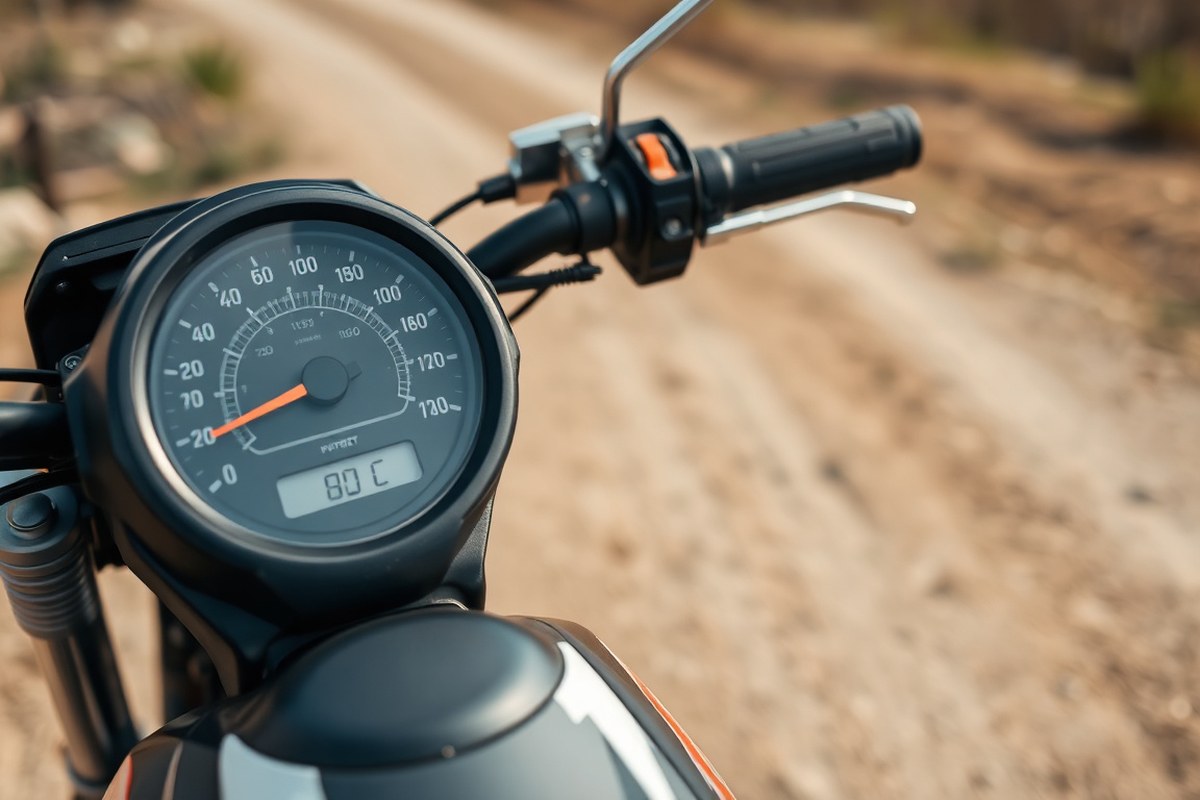
Most 80cc dirt bikes typically reach top speeds between 35 and 50 miles per hour. Average stock models commonly hit around 40 to 45 miles per hour on flat terrain. Some racing models can go faster.
They reach speeds up to 55 mph or more. These bikes are tuned for better performance.
The maximum speed often depends on factors like the bike’s design and engine type. For instance, many 80cc two-stroke dirt bikes achieve higher speeds than 4-stroke models. Typical top speeds vary between bike types.
Two-strokes usually hit 50-55 mph. Four-strokes are slower at 35-45 mph.
Riders usually measure top speed by riding on a flat, straight course under ideal conditions. Spotting a GPS speedometer or using a trail app helps get an accurate reading. Terrain, rider weight, and bike condition affect speed.
These factors change how fast the bike goes. You might see big differences in real riding conditions.
| Model Type | Typical Top Speed (mph) |
|---|---|
| Stock 80cc 2-Stroke | 45 – 55 |
| Stock 80cc 4-Stroke | 35 – 45 |
| Tuned or Race 80cc Models | 50 – 70 |
Some say 80cc bikes reach 70 mph or more. Others even report speeds up to 85 mph. These are likely rare or under specific conditions.
However, these are often modified bikes or done under very specific conditions. Typical riders on beginner or youth bikes usually won’t see speeds much higher than 50 mph.
How Rider Weight Influences 80cc Dirt Bike Speed
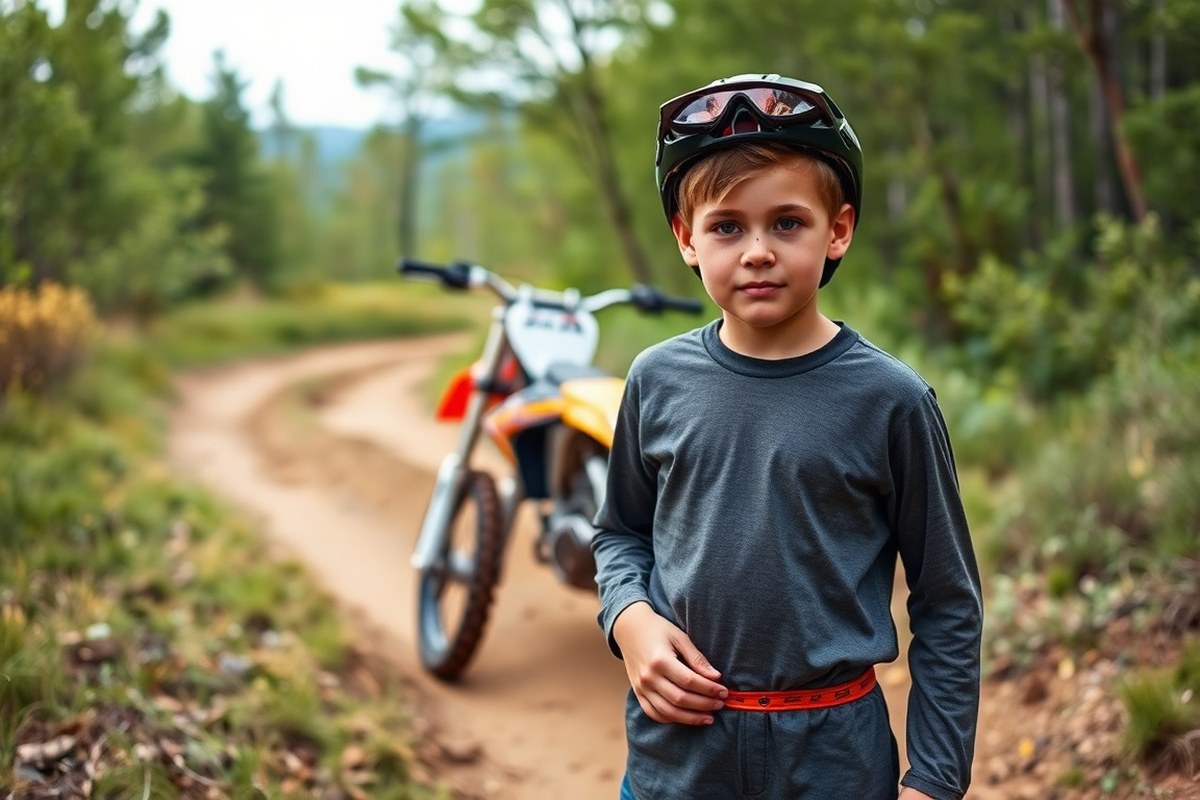
Heavier riders generally slow down an 80cc dirt bike compared to lighter riders. A typical top speed for riders under 100 pounds is about 40 to 45 mph.
Riders weighing 100 to 130 pounds often see speeds between 35 and 40 mph. For riders over 130 pounds, the speed can drop to 30 to 35 mph.
Lighter riders put less strain on the bike’s engine. This helps the bike reach near its top speed. The engine doesn’t have to work as hard.
Heavier riders add more load, which reduces acceleration and top speed. On rough terrain, heavier riders might feel more speed loss.
This happens because the engine works harder. The bike slows down more on tough ground.
To handle your weight well, gear your bike for better suspension and tire grip. Heavier riders should lean forward slightly to improve balance and traction, especially on hills. Stay relaxed and shift your weight when turning.
This helps you keep your speed and control. Weight doesn’t affect your ability to ride well.
Adjust your riding style to your weight by shifting your body position often. This helps keep the bike balanced and moving faster.
Comparing 2-Stroke vs 4-Stroke 80cc Dirt Bikes for Speed
Two-stroke 80cc dirt bikes generally reach higher top speeds than four-stroke models. They accelerate faster and feel more powerful but require more upkeep. Four-stroke bikes run smoother and are easier to handle.
They don’t reach the same top speed as two-strokes. This makes them good for beginners or casual riders.
Speed Advantages of 2-Stroke Engines
Two-stroke engines typically reach top speeds of 45 to 50 mph. Their design lets them rev higher and deliver power quickly, so acceleration feels strong. These bikes also weigh less, helping them respond faster to throttle inputs.
However, that speed comes with some tradeoffs. Two-strokes tend to need more maintenance because they burn oil with fuel. This leads to quicker wear and requires regular tasks like cleaning spark arrestors or replacing rings.
Power and Maintenance of 4-Stroke Bikes
Four-stroke 80cc dirt bikes usually hit speeds between 35 and 42 mph. They offer smoother, more consistent power delivery, which makes them easier for beginners to control. Greater torque at lower RPMs also helps with trail riding and technical terrain.
These bikes tend to be heavier and experience higher engine temperatures. This causes more wear on engine parts over time. You might need valve adjustments and oil changes more often.
It means more regular maintenance to keep the bike running well. Still, many riders appreciate the lower emissions and quieter running.
Choosing the Right Engine for Your Riding Style
A two-stroke 80cc bike is a great choice for racing. It is fast and lightweight, good for jumps too. This makes it popular among riders who want sporty performance.
You’ll get quicker bursts of speed and lighter handling but must stay on top of maintenance. This suits more experienced riders confident with engine care.
For casual riding, smoother throttle control, and easier learning curves, four-stroke 80cc bikes work well. They perform better in slow or technical conditions and require less frequent engine work. Parents buying a first bike for their kids often prefer this for safety and reliability.
Think about how you’ll ride and maintain your bike. Faster speed and responsiveness favor two-strokes, while smoother power and simpler upkeep favor four-strokes. Match the bike to your skill level and riding goals for the best experience.
How Terrain and Riding Conditions Affect 80cc Dirt Bike Speed
Speed on an 80cc dirt bike depends a lot on the surface you ride on. Smooth dirt trails let you reach speeds closer to 45 mph. Rough, rocky, or uneven ground cuts into your speed.
You have to slow down to keep control. This keeps you safe and stable.
Steep slopes also change how fast you can ride. Going uphill lowers your top speed since your bike works harder. Downhill, you can go faster but should watch your brakes and balance to stay safe.
- Hard-packed dirt: Faster, smooth ride, good for speeds near max.
- Loose sand or gravel: Slows you down due to less traction.
- Rocky trails: Require slower speeds to avoid damage and falls.
- Wet or muddy surfaces: Force you to ride slowly to prevent slipping.
- Steep uphill: Cuts speed by 10 to 20 mph depending on incline.
- Downhill: Allows faster speeds, but control is key.
- Grass-covered areas: Moderate speeds, traction varies with wetness.
Riding style matters on tricky terrain. Stand up for better balance and shock absorption on rough or uneven ground. Shift your weight forward on climbs to keep traction.
On mud or wet paths, gently ease the throttle to reduce spinning out. Check your tires too, knobby tires work better on dirt and rocks than smooth ones.
Good results mean riding close to 40 mph on flat dirt. On rough or wet terrain, drop to 20 to 30 mph. This helps keep control.
Pushing too fast on slippery or rocky ground risks losing control and falling. Slow down to stay safe. Adjust your speed to the surface and slope to enjoy your ride safely.
Popular 80cc Dirt Bike Models and Their Top Speeds
Some 80cc dirt bike models stand out for their top speed and build quality. The KTM 85 SX leads the pack with its racing design and high-performance engine.
It balances top speed and control for young racers wanting to push limits safely. Other models focus on beginner comfort or casual trail riding but still hit respectable speeds.
| Model | Top Speed (mph) | Engine Type | Target Rider |
|---|---|---|---|
| KTM 85 SX | 55-60 | 2-Stroke | Competitive Youth Racers |
| Yamaha YZ85 | 50-55 | 2-Stroke | Intermediate Kids and Teens |
| Honda CRF80F | 45-50 | 4-Stroke | Beginner Youth Riders |
| Honda CRF150R (upgrade option) | 55-60 | 4-Stroke | Advanced Youth Racers |
Speed in 80cc dirt bikes depends heavily on engine type and tuning. 2-stroke engines generally speed up faster and reach higher tops. That makes models like the KTM 85 SX faster.
These come with race-ready features, which cost more but improve speed and handling. Beginners or casual riders may not need these extra costs or complexity.
Keep the engine tuned and use high-octane fuel for best speed performance.
To get the most speed from your bike, focus on maintenance. Clean air filters and fresh oil keep the engine running smooth. Check tire pressure too, as low tires drag and lower top speed.
Race models use lighter parts and have optimized exhausts. They need skilled riding and regular upkeep. These bikes work best for experienced riders.
Choosing a race-designed 80cc dirt bike depends on your riding goals. Speed matters most with these bikes. Their power and agility justify the higher price.
For casual trail riding or learning, a simpler model offers good speed and easier control. That balance helps new riders focus on skills without expensive repairs.
Safe Ways to Increase Your 80cc Dirt Bike’s Speed
You can increase your 80cc dirt bike’s speed safely with simple upgrades and good maintenance. These steps improve power without risking damage or unsafe riding. Avoid risky mods that may look tempting but put you in danger.
Regular Maintenance to Keep Speed Optimal
Keeping your bike well-maintained ensures it runs at its best speed. Dirt, old oil, and worn parts slow it down and make it less reliable. Checking key functions regularly helps avoid speed loss and mechanical problems.
Use higher-quality fuel as recommended by the manufacturer to support the engine’s performance. Poor fuel can cause inconsistent power and lower top speed.
- Check and replace air filters regularly to avoid choking the engine.
- Change the engine oil every 10 to 15 hours of riding or per the owner’s manual.
- Inspect and clean the spark plug; replace it if it looks worn or fouled.
- Lubricate the chain and adjust its tension to maintain smooth power delivery.
- Keep tires inflated to the recommended pressure for lower rolling resistance.
- Clean the carburetor if the bike hesitates or runs rough to restore flow.
- Check all cables and controls for smooth operation and repair if stiff.
Basic Performance Mods Anyone Can Do
Simple mods can boost your bike’s speed without complex tools or big money. These upgrades improve airflow and reduce weight to get more out of the engine. Start with one or two mods and test how your bike feels afterwards.
- Swap the stock exhaust for a lightweight aftermarket pipe designed for 80cc bikes.
- Install a high-flow air filter to allow more air into the engine.
- Upgrade to a performance carburetor jet kit for better fuel delivery.
- Use a lighter sprocket setup by reducing the rear sprocket teeth count.
- Replace heavy plastics with lighter aftermarket parts if possible.
Expect modest speed gains of 5 to 10 mph when combined with good maintenance. Test your bike after each change to ensure it runs well and stays smooth.
Avoiding Dangerous or Illegal Upgrades
Some upgrades can raise speed but also make the bike unsafe or illegal for youth riders. Avoid removing speed limiters or drastically changing gear ratios without advice. These changes may overload the engine or reduce your control.
Never bypass built-in safety features like throttle limiters or kill switches. These parts protect you while you learn. Racing-level engine swaps go beyond the bike’s intended design.
High-pressure turbo mods can cause serious crashes. They can also wear out the bike faster.
Keep upgrades moderate and always check local rules. Safety matters more than raw speed for fun and learning in dirt biking.
How to Safely Test Your 80cc Dirt Bike’s Top Speed
Testing your 80cc dirt bike’s top speed calls for careful planning and safety. You need a clear, safe place, the right gear, and a step-by-step approach. These simple steps protect you while getting an accurate speed read.
Choosing a Safe Test Location
Pick a flat, open space free of traffic, pedestrians, and obstacles. A private dirt track, empty parking lot, or unused airstrip works well. Avoid public roads and crowded areas to keep safe and legal.
Make sure the ground is dry and firm. Wet or loose surfaces can cause slipping and affect speed measurements.
Check the area for a long, straight run. Make sure there’s enough room to slow down safely at the end.
Essential Protective Gear for Testing
Wear a full-face helmet rated for motorsports to protect your head. Pair it with goggles or a clear visor to shield your eyes from dust and debris. Gloves and boots help protect your hands and feet from injury.
Put on riding pants and a jacket or jersey made from durable, abrasion-resistant material. Consider wearing knee and elbow pads for extra protection. Good gear reduces real risks, especially when testing speeds up to 40 mph or more.
Step-by-Step Procedure to Measure Speed
Follow these steps to safely find your bike’s top speed. Use a speedometer app or GPS device mounted securely on your bike for an accurate reading. Have a helper spot you to watch for hazards and record your speed.
- Inspect your bike to ensure brakes, tires, and throttle work properly.
- Put on all protective gear and check it fits snugly.
- Warm up the engine for 5 minutes to avoid performance issues.
- Start at one end of the chosen test track and accelerate smoothly.
- Maintain a steady throttle on the longest straight stretch possible.
- Watch the speed device to note the highest speed reached.
- Slow down gradually, using both brakes to avoid skidding.
- Repeat the test two or three times for consistent results.
Skip the test if you feel nervous or unsure about handling the bike at high speed. A calmer, more experienced rider can get better results safely. Test in daylight and dry weather to prevent visibility or traction issues.
Common Speed-Limiting Issues and How to Fix Them
Your 80cc dirt bike might feel slow for some reasons. Bad fuel can cause problems. Dirty air filters or worn spark plugs also slow it down.
Old or wrong fuel can choke the engine and slow it down. Using fresh, correct fuel mixes helps the engine run smoothly and faster.
Check the air filter often. A clogged air filter cuts the airflow, making the engine weaker. Clean or replace it regularly to keep the dirt bike running well.
Also, spark plugs wear out and cause rough running and less speed. Swap them every season or after heavy use for best results.
Chain tension is another key. A too loose or tight chain wastes power and can reduce speed.
Adjust the chain so it has about half an inch of slack. Lubricate it with chain oil to lower friction and help acceleration.
- Change fuel if it’s old or the wrong type
- Clean or replace air filters every few rides
- Inspect and swap spark plugs yearly or when weak
- Adjust chain slack to about 0.5 inch
- Lubricate the chain every 100 miles or monthly
- Reduce unnecessary bike weight by removing heavy accessories
- Check tire pressure, low pressure can slow your bike
Too much weight makes the bike harder to push. Removing heavy accessories or using lighter parts helps speed up.
Also, very low tire pressure increases rolling resistance, slowing you down. Keep tires pumped to the recommended PSI found on the tire sidewall.
Always let the engine cool before working on it to avoid burns or damage.
Follow this checklist and soon your 80cc will feel peppier. Take your time fixing these issues, and watch how your bike gets more responsive. Don’t ignore small fixes, they add up to better speed and fun rides.
Essential Safety Gear for Riding an 80cc Dirt Bike Fast
Riding an 80cc dirt bike at higher speeds calls for solid safety gear to protect you. This gear helps prevent injuries and builds your confidence in control and balance. Well-fitting gear reduces distractions so you can focus on your ride.
- Helmet with DOT or Snell certification, snug but comfortable fitting
- Goggles or a full-face shield for eye protection
- Padded gloves that improve grip and protect hands
- Durable riding jacket or jersey with elbow pads
- Long riding pants with knee protection or pads
- Sturdy over-the-ankle boots with good tread and ankle support
- Chest protector or body armor, especially for jumps or rough terrain
The helmet is the most critical piece. It should fit your head size without moving when you shake your head.
Avoid helmets older than five years; materials can degrade. Goggles need to be scratch-resistant and secure around your helmet.
Gloves need padding on the palms to reduce vibration feel. Replace gloves if seams unravel or thin spots appear.
Jackets and pants made from tough textiles like Cordura resist rips. You want enough ventilation so you don’t overheat but still feel protected.
Boots should grip your foot firmly and keep ankles stable. A loose fit increases injury risk in falls.
Check soles for wear every season and replace boots if they compress or leak. Chest protectors vary by style and price but choose one that fits close without restricting movement.
Good gear can cost a few hundred dollars. Start by prioritizing the helmet, boots, and gloves.
You can add pads and armor piece by piece as your budget allows. Routine gear cleaning and inspection keep protection reliable and comfortable.
Step-by-Step Action Plan for Testing and Improving Your 80cc Dirt Bike Speed
Follow this plan to safely check your bike’s top speed and make small improvements. Each step has a clear goal to track your progress.
- Before you start: Wear full protective gear like a helmet and pads to stay safe.
- Day 1: Find a flat, open area with no traffic where you can ride freely.
- Day 2: Ride your bike gently. Use a GPS app or speedometer to check speed. Note the highest speed it reaches.
- Week 1: Check your bike’s air filter and clean or replace it for better airflow.
- Week 2: Check your bike for loose parts or old spark plugs. These can slow it down. Fix any problems you find.
- Week 3: Adjust the carburetor settings slightly to improve throttle response, then test again.
- Week 4: Try lighter tires to reduce weight. You can also upgrade the exhaust. Both should help your bike go faster.
- After 1 month: Compare your top speed to your first test. Repeat your checks if speed hasn’t improved. You can also ask a mechanic for help.
Frequently Asked Questions
How Fast Can a Beginner Expect to Ride an 80cc Dirt Bike?
Beginners usually top out around 25 to 35 mph on an 80cc dirt bike. This speed lets you learn handling without losing control or safety.
Does the Age of the Rider Affect an 80cc Dirt Bike’s Top Speed?
Yes, younger riders often handle less throttle, so their speeds are lower. Skill and comfort with the bike play a big role in real speed.
Can Modifications Make an 80cc Dirt Bike Unsafe at Higher Speeds?
Modifications can increase speed but may reduce safety if not done right. Always balance power upgrades with better brakes and suspension to stay safe.
How Long Does It Take to Reach Top Speed on an 80cc Dirt Bike?
Usually, it takes about 5 to 10 seconds to hit top speed. This depends on rider weight, terrain, and the specific bike model.
Is 55 Mph a Common Top Speed for All 80cc Dirt Bikes?
No, 55 mph is near the higher end, mostly for 2-stroke models in good conditions. Most stock 80cc bikes range between 35 and 50 mph.
Wrapping Up
Most 80cc dirt bikes reach speeds around 25 to 40 mph depending on conditions. Testing your bike safely helps you understand its limits. Start by measuring your current speed with proper gear on a safe track.