Is It Illegal to Drive Without Rear View Mirror? Complete Legal & Safety Guide
Is it illegal to drive without rear view mirror? In about 20 states, yes, you need an interior rearview mirror by law. The mirror must show a clear view of at least 200 feet behind your car.
Some states don’t have this exact rule. You still need side mirrors for a similar rear view. Those mirrors help you see behind your car.
Driving without any required mirrors creates blind spots and can land you a ticket. Fines usually range from $25 to $250 depending on where you live. Check your mirrors before you hit the road to avoid fines and stay safer.
Keep the mirrors clean and properly adjusted. That way, you get a clear, wide view behind you.
A broken or missing mirror needs quick repair or replacement. Take care of it right away to drive safely.
Key Takeaways
- Nearly 20 states require a working interior rearview mirror by law.
- Your mirrors need to clearly show at least 200 feet behind you. This helps you spot other vehicles and hazards.
- All states require at least one side mirror to drive legally.
- Driving without required mirrors can result in fines from $25 to $250.
- Check your mirrors before driving to avoid blind spots and legal trouble.
- Repair or replace broken mirrors promptly to stay safe and legal.
Is It Illegal to Drive Without a Rearview Mirror?

Driving without a rearview mirror is legal in many states. You must have two working side mirrors for this to apply. Without side mirrors, it’s not allowed.
These side mirrors must provide a clear view at least 200 feet behind the vehicle. You have both side mirrors working properly. Most states then allow driving without the rearview mirror.
Some states, about 20, require an interior rearview mirror regardless of side mirrors present. In those states, driving without that mirror is illegal. Illinois requires two side mirrors if the rearview mirror doesn’t show a clear view.
This rule ensures safe visibility behind you. You should check your state’s rules because this varies widely.
Police check if the rearview mirror or both side mirrors give a clear rear view. You can drive if at least one of these conditions is true. Failing to meet this can result in fines and penalties.
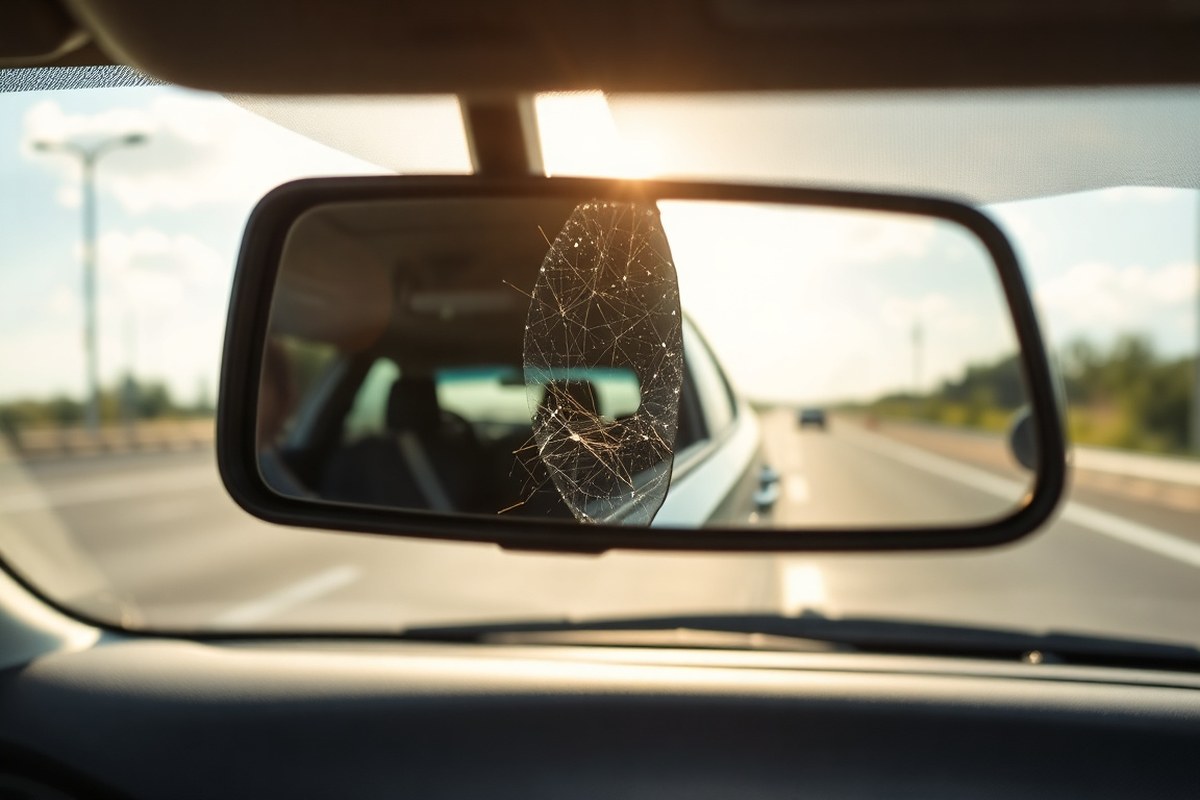
Any missing or broken mirror, especially the rearview, should be fixed fast. Repairing it quickly helps keep you and others safe.
How Many Mirrors Are Legally Required to Drive Safely and Legally?
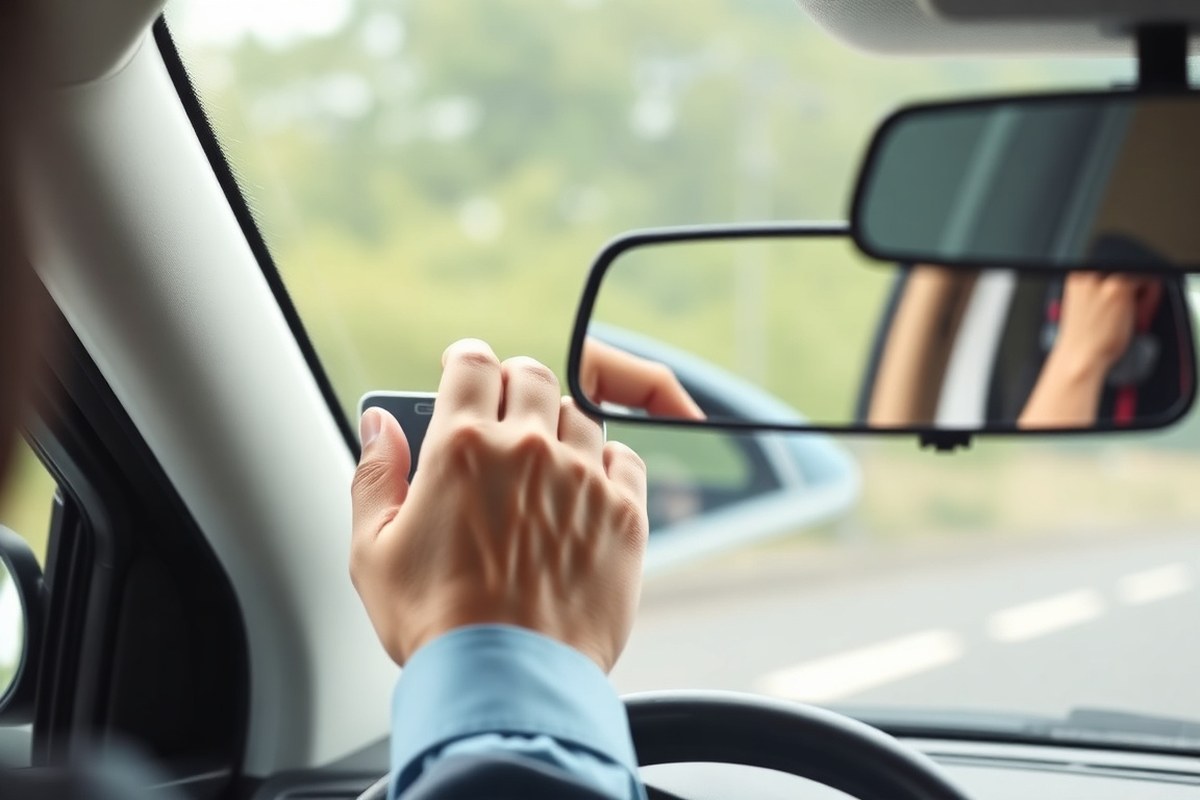
Almost every state calls for having at least two mirrors on your vehicle. One mirror sits inside the vehicle, called the rearview mirror.
The other is a side mirror on the driver’s side. These mirrors need to offer an unobstructed view behind your vehicle for roughly 200 feet.
Some states have strict rules about which mirrors you need. For example, California requires an interior mirror plus a left-side mirror. Texas lets you drive with just one outside mirror if it shows 200 feet.
New York demands at least the driver’s side exterior mirror. Passenger side mirrors are often optional but recommended for safer driving.
- At least two mirrors in most states, interior plus driver’s side exterior
- Mirrors must show at least 200 feet behind the vehicle
- Passenger side mirrors required in fewer states and often optional
- Interior rearview mirror needed if it can’t block your view
- Without required mirrors, you risk a ticket or unsafe driving
Mirrors are not just for legal compliance; they help prevent blind spots and crashes. Your inside rearview mirror should be centered and clear.
Side mirrors should be adjusted to see past your car’s edges, covering lanes beside you. Some states require both side mirrors if your rearview mirror view is blocked.
Check your state’s DMV website to confirm the exact mirror rules before driving.
Missing or broken mirrors must be repaired or replaced quickly. Driving with only one exterior mirror isn’t allowed in many states.
Driving without mirrors that provide at least a 200-foot rear view will likely fail safety inspections. Commercial vehicles have extra rules but generally must meet similar minimum visibility standards.
Which States Require an Interior Rearview Mirror Versus Side Mirrors?
About half the states require an interior rearview mirror. Others allow side mirrors to replace the interior mirror if both are working properly. You must check state laws because some states specify mirror placement and viewing distance.
States Requiring Interior Rearview Mirrors
Some states explicitly require an interior rearview mirror. New York requires an interior mirror plus an exterior one on the driver’s side. Texas law demands at least one mirror that shows the highway behind your vehicle clearly.
The interior mirror must show a clear view behind you. It needs to cover about 200 feet in many states. This helps you see traffic behind your vehicle clearly.
This helps drivers see vehicles approaching from the rear without relying solely on side mirrors. The following table lists examples with their legal references.
| State | Statute | Mirror Requirement |
|---|---|---|
| Texas | TC 547.602 | At least one mirror showing rear highway |
| New York | NY Vehicle & Traffic Law | Interior mirror plus exterior driver’s side mirror |
| Georgia | OCGA 40-8-77 | Mirror providing clear rear view |
These states want a central rear view to help spot vehicles behind you easily. The interior mirror’s placement is often specified for visibility and safety reasons.
States Allowing Only Side Mirrors in Certain Cases
About 25 to 30 states accept side mirrors alone if they provide a clear rear view. Nevada and Colorado allow side mirrors to substitute for an interior mirror. Some states require two side mirrors but don’t demand an interior mirror.
Florida allows two mirrors, but it does not name the type. This means you can drive without an inside mirror.
Side mirrors alone are enough under this rule. Arizona requires rearview capability but is flexible on whether it comes from side or interior mirrors.
| State | Statute | Mirror Requirement |
|---|---|---|
| Florida | FS 316.294 | Two mirrors required; type unspecified |
| Nevada | NRS 484D.340 | Unobstructed rear view; side mirrors acceptable |
| Arizona | ARS 28-956 | Rear view capability; method flexible |
| Colorado | CRS 42-4-224 | Two mirrors total; combination flexible |
States allow side mirrors to be the only rearview option if they meet clear visibility rules. For example, some require side mirrors to show at least 200 feet behind. This means these mirrors must be properly adjusted and mounted.
Exceptions for Historic or Specialty Vehicles
Some vehicles are exempt from mirror requirements. Historic vehicles often don’t have modern mirrors and still legally drive. Laws usually recognize these exemptions because older vehicles weren’t made with these mirrors.
Oversized loads or vehicles designed without rear windows can use side mirrors exclusively. This lets drivers maintain rear visibility despite lacking an interior mirror. Specialty and commercial vehicles sometimes follow different inspection rules for mirror setups.
For commercial vehicles, mirror rules can require convex or cross-view mirrors. These must be inspected regularly, often annually or more often, depending on vehicle type. Drive accordingly to avoid penalties for missing required mirrors.
What Penalties and Fines Apply for Missing or Broken Rearview Mirrors?
Fines for driving without a rearview mirror usually range from $25 to $250. The exact penalty depends on your state and local laws. Some areas give fix-it tickets, which let you avoid paying by fixing the mirror quickly.
A fix-it ticket requires proof that you repaired the mirror. You often have about 30 days to show the fix to the authorities. This option saves you money but means you must act promptly to avoid more trouble.
You can contest a mirror-related ticket if you believe it was issued unfairly. For example, some states don’t require an interior mirror if you have side mirrors. You’d explain this during a traffic hearing or submit paperwork if contesting by mail.
Here’s a simple way to handle a ticket:
- Check the ticket carefully for the violation and court date.
- Fix or replace the mirror within 30 days for a fix-it ticket.
- Get a repair receipt or certification from a mechanic or parts store.
- Take the proof to the court or DMV office before the deadline.
- Ask the clerk how to officially close your case to avoid fines.
You face the original fine plus penalties if you miss the deadline. You might also face a court date where the judge could increase your fines. Handling the ticket on time is much cheaper and easier.
Different situations matter too. Driving with one side mirror missing is illegal everywhere. So stop driving immediately to fix it.
Most states allow you to keep driving home if your mirror falls off. But fix it within a few days.
Cargo blocking your mirrors is usually allowed. You must still see through side mirrors clearly.
Can I Drive Home Safely If My Rearview Mirror Falls Off?
Most states let you drive briefly without a rearview mirror. You can usually drive home or to fix it if the mirror falls off. The law often requires one working side mirror to replace the lost view.
Safety drops without a rearview mirror since it shows traffic behind you. Use your side mirrors more often to check lanes and cars closing in. Avoid busy roads and high speeds until you fix or replace the mirror.
- Drive slowly and stay on familiar, less busy roads
- Make sure your left side mirror works well and is clean
- Plan your route to the nearest repair shop right away
- Use extra caution when changing lanes or merging
- Do not drive at night or in bad weather without the mirror
- Keep your emergency flashers handy if you need to stop
- Stop driving immediately if you cannot see behind safely
Temporary solutions like taping the mirror back on might help during your drive. Use strong tape and aim to keep the mirror steady to avoid distracting shifts.
Do not rely on a loose or cracked mirror. It could fall off again or blur your view.
Check your side mirrors often while driving without a rearview mirror to stay safe.
Once you reach your destination, replace the rearview mirror as soon as possible. A new mirror usually costs $20 to $50. You can install it yourself in minutes.
A professional can do it too, often for a small fee. Driving longer distances without it increases the risk of missing traffic hazards behind you.
How Do Commercial Vehicle Mirror Requirements Differ from Personal Vehicles?
Commercial vehicles have stricter mirror requirements than personal cars. They must have at least two side mirrors to see the highway behind. Interior rearview mirrors are often required depending on state and federal rules.
Commercial Mirror Types and Placements
Commercial trucks must have one mirror on each side. These mirrors show the area to the rear and sides of the vehicle. Large trucks often add convex mirrors to reduce blind spots.
Convex mirrors give a wider view of the road next to the truck. They attach below or beside the main side mirrors. These extra mirrors help drivers spot smaller vehicles close to the truck.
Federal vs State Commercial Mirror Regulations
The Federal Motor Carrier Safety Administration (FMCSA) sets strict nationwide mirror rules. Personal vehicles follow state laws, which can vary a lot. For example, New York requires an interior mirror for commercial vehicles, while Texas does not.
Some states allow two side mirrors on commercial trucks instead of an interior mirror. Others require interior mirrors to improve rear visibility. These variations depend on factors like window size and vehicle design.
| State | Interior Mirror Required | Side Mirror Alternative | Relevant Law |
|---|---|---|---|
| New York | Yes | No alternative | VTL 375 |
| California | Yes, with exceptions | Yes, if both sides work | CVC 26709 |
| Texas | No | Two side mirrors enough | TC 547.602 |
| Ohio | Yes | Limited exceptions | ORC 4513.23 |
| Florida | No | Two side mirrors enough | FS 316.294 |
The table shows how commercial mirror rules shift by state. Some places demand interior mirrors for trucks. Others accept side mirrors alone when they provide enough rear visibility.
Consequences for Mirror Violations in Commercial Vehicles
Federal and state authorities take mirror violations seriously for commercial trucks. Missing or broken mirrors can earn fines or citations. This is because trucks pose bigger risks with poor visibility.
Drivers can lose points on their license or face roadside inspections if mirrors fail safety checks. Repairing or replacing mirrors can cost $50 to $200 depending on type. Failing to fix mirror damage invites further penalties.
How Do Backup Cameras Affect Mirror Legal Requirements?
Backup cameras do not replace the legal need for rearview or side mirrors as of 2026. Most states still require physical mirrors even if your vehicle has a camera system. Cameras may supplement mirrors but aren’t considered equal by law yet.
Federal Mandates for Backup Cameras
The National Highway Traffic Safety Administration requires all new vehicles to have backup cameras since 2018. This rule aims to reduce blind-spot accidents while reversing. The cameras provide extra safety but don’t replace rearview mirrors legally.
Backup cameras help drivers see directly behind the vehicle. However, federal rules make no exceptions for removing mirrors. You must keep your mirrors intact if you want to drive legally.
State-Level Adaptations and Exceptions
In some states, mirror requirements loosen slightly if you have functional cameras. Still, cameras alone don’t meet the legal mirror standard. Aftermarket camera-only mirror setups face strict rules or bans in many states.
Many states allow digital or camera-assisted mirrors alongside regular mirrors by 2026. These setups must revert to normal mirrors if the camera or display fails. You can lose your right to drive if your camera stops.
You also need mirrors if the camera system fails. Lacking both can lead to serious legal trouble.
Future Trends in Mirror and Camera Laws
Starting in 2026, most states approve factory-installed digital mirrors that use cameras. Some allow one missing side mirror if two others work fine. Fully replacing mirrors with cameras still needs state verification and varies by location.
European vehicles lead in using camera side mirrors, but U.S. Laws remain cautious. Over the next several years, expect more states to adapt their rules to accommodate camera-only systems. For now, rely on mirrors as your legal safety requirement.
What Are the Safety Risks of Driving Without Rearview or Side Mirrors?
Driving without a rearview mirror raises serious safety risks. Your ability to see behind drops sharply, increasing chances of collisions when changing lanes or reversing. Side mirrors alone often leave blind spots that a rearview mirror can help cover.
Without proper mirrors, you can’t quickly check traffic behind you. This delay causes risky moves like abrupt lane changes or missed braking cues. Accident studies link many crashes to poor visibility in traffic.
This risk grows in tight traffic or on fast highways. Keeping clear views helps prevent accidents.
Blind spots grow notably if a rearview mirror is missing or damaged. You might not spot motorcycles, bicycles, or cars approaching from behind. Commercial vehicle rules require fixed mirrors to prevent blocked views.
Blocked views raise the risk of deadly crashes. This rule helps keep roads safer. Drivers should adjust side mirrors widely to reduce blind areas when rear mirrors aren’t usable.
Before driving, check if all your mirrors are in place. Do this especially in low light or bad weather. It helps you see better on the road.
Failing this, keep your windows clear and adjust your seating to maximize sightlines. Replacing a rearview mirror usually costs between $50 and $150.
Shops charge this price for this important safety upgrade. It’s worth the cost for better safety.
Don’t drive without mirrors that give a clear rear view. Your blind spots grow and hazard signs skyrocket.
Missing mirrors make backing out of parking spots dangerous too. Without a rearview mirror, spotting pedestrians or obstacles gets tougher.
Some drivers shout or use passenger help. But these are unreliable fixes that can’t replace proper mirrors.
Check your risk by counting your mirrors on the car. Test visibility from the driver’s seat and think about driving tasks. This helps you know if you’re fully safe.
Blind spots or broken, loose mirrors need repair before driving. Fix these issues to keep your view clear and safe.
Don’t drive without good mirror visibility. Driving without proper mirrors could mean your vehicle is unsafe or illegal on the road.
What Are the Typical Costs and Steps to Replace a Rearview Mirror?
Replacing a rearview mirror usually costs between $50 and $250. The price depends on your vehicle type and mirror style. Luxury cars or models with added features, like auto-dimming or cameras, may cost more.
You can replace a mirror yourself on many vehicles. It takes about 30 minutes with basic tools.
A professional replacement usually costs $100 to $300 and takes 1 to 2 hours. Choose pro help if your mirror has wiring or sensors.
Insurance may cover mirror replacement, but it varies by your policy and claim. Complete coverage often pays after your deductible. Check with your insurer before fixing it to understand your coverage.
Here’s a step-by-step look at replacing a simple rearview mirror:
- Remove the existing mirror by loosening the mounting screw or sliding it off the bracket.
- Clean the mounting surface thoroughly to remove old glue or debris.
- Apply adhesive or follow mounting instructions specific to your new mirror.
- Attach the new mirror carefully, pressing firmly for proper adhesion.
- Let the adhesive cure for the recommended time, usually 24 hours.
- Test the mirror’s position and adjust for clear rear visibility.
- When wiring is present, connect and test electronic features before mounting.
| Type of Replacement | Typical Cost | Time Needed |
|---|---|---|
| Basic manual mirror DIY | $50 to $125 | 30 minutes |
| Professional manual mirror | $100 to $200 | 1 to 2 hours |
| Mirrors with electronics pro install | $200 to $300+ | 1 to 3 hours |
Some mirrors mount with glue, while others use screws or clamps. Your mirror with sensors or display needs a pro to prevent damage. DIY attempts risk breaking wiring or misaligning the mirror, which hinders safe driving.
Replacing a rearview mirror quickly keeps you legal and safe on the road. Neglecting it can result in fines between $25 and $250, depending on your state. A timely fix usually costs much less than a ticket or a risky drive.
Step-by-Step Action Plan to Fix Missing or Broken Rearview Mirrors
Follow these steps to handle a missing or broken rearview mirror quickly and legally. This plan keeps you safe and avoids fines.
- Day 1: Check your state’s mirror laws online to know the exact requirements. This avoids legal surprises.
- Day 1: Check if your vehicle is missing the interior mirror. Also, see if the side mirrors are missing too. Make sure to inspect closely. You need to know what to replace.
- Day 2: Buy a replacement mirror made for your car model. Fit is key for safety and legal compliance.
- Day 2-3: Install the new interior rearview mirror or side mirror yourself if you can. Otherwise, book a trusted shop. Confirm the mirror is firmly attached and aligned.
- Day 3: Test your mirror by sitting in the driver’s seat. Make sure you have a clear rear view with minimal blind spots.
- Within 1 week: If your car needs backup cameras, test them. See if the cameras and mirrors work well together. Check they work as expected. This can affect your legal setup.
- Ongoing: Regularly inspect mirrors for damage or looseness. Fix any problem before driving to stay safe and legal.
Frequently Asked Questions
Can I Drive Legally with One Side Mirror Missing?
Yes, you can drive legally with one side mirror missing. Just make sure the remaining mirror shows you clear rear visibility.
Check local laws to see if both side mirrors are needed. Some places do not require both side mirrors by law.
Are Aftermarket Rearview Mirrors Legal to Use?
Aftermarket rearview mirrors are legal if they meet safety standards. Check that the mirror properly fits your car and offers a clear view behind you. Some states require specific mirror sizes or placements.
Does Windshield Tinting Affect How Mirrors Are Allowed?
Windshield tinting doesn’t usually affect mirror legality. However, tint that blocks visibility behind can make driving illegal. Ensure your tint and mirrors provide a clear, unobstructed rear view.
Can I Use a Phone Holder as a Replacement for a Rearview Mirror?
No, a phone holder does not count as a rearview mirror. You must have an actual mirror reflecting the road behind you. Using a phone holder may be unsafe and illegal.
Are Rearview Mirror Stickers or Hanging Items Legal?
Hanging items or stickers in your mirror may be illegal if they block your view. Keep the mirror clear to ensure safe driving and avoid fines.
The Bottom Line
Driving without a rearview mirror can risk fines and your safety. Get a replacement as soon as you notice a problem. Start by checking your state’s mirror laws today.