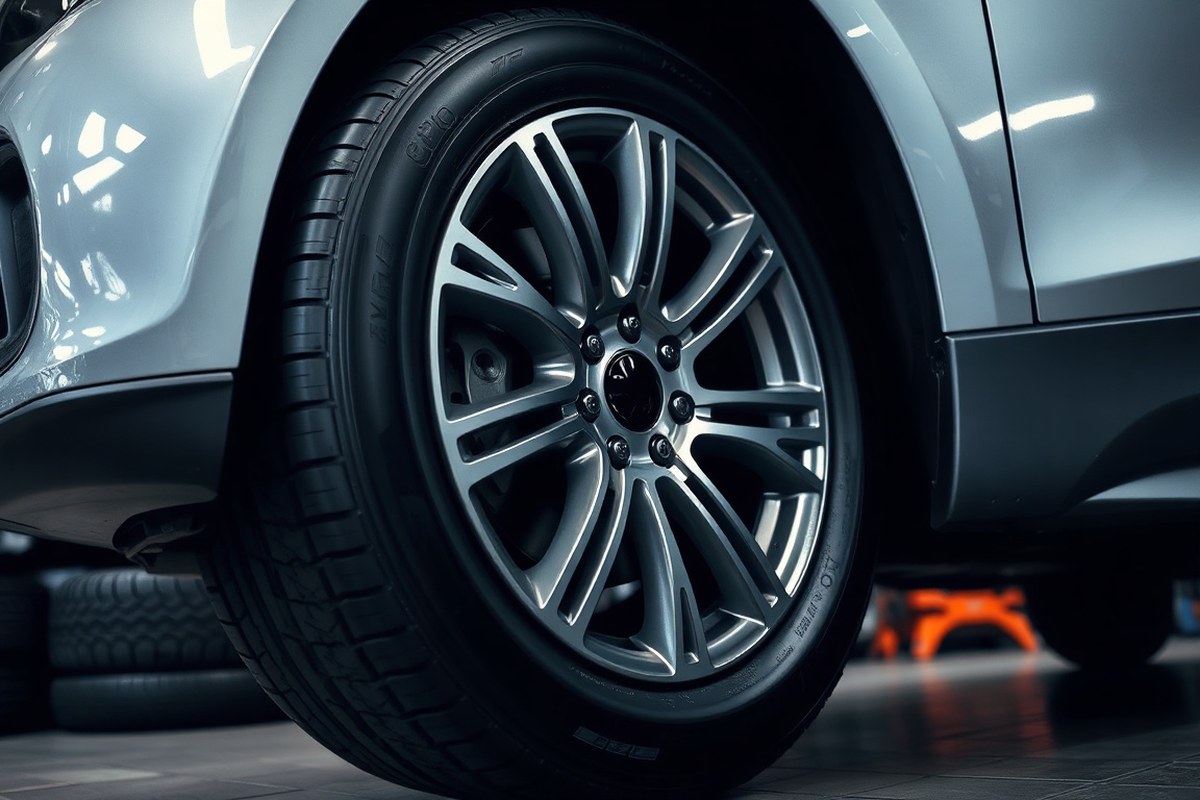
Do Tires Come with Rims? Complete Guide to Buying Tires and Rims Together
Tires usually don’t come with rims when you buy them new. They come as just the rubber part. Most places expect you to reuse your old rims and mount the new tires on them.
Tire shops often charge $15 to $45 per tire for mounting and balancing. This service gets your tires ready without handling rims yourself. It’s usually cheaper and faster than buying new rims with tires.
Rims add extra cost and may not be necessary unless your current ones are damaged. Scratches, bends, or rust on rims can cause air leaks or unsafe driving conditions. Replacing rims can fix these problems and improve safety.
Choosing new rims also lets you change your vehicle’s style or upgrade to stronger materials. Always match rim size, bolt pattern, and offset with your vehicle’s specifications. Pair those rims with tires sized to fit them properly for the best performance and safety.
Key Takeaways
- Tires are typically sold without rims, so expect to buy rims separately.
- Tire shops usually mount and balance tires on your existing rims for $15, $45 each.
- Replace rims only if they’re damaged or you want a new look for your vehicle.
- Know your rim size, like 16-inch or 20-inch diameter, before choosing tires.
- Matching tire and rim sizes is essential for safe and proper fitment.
- Old rims usually last 10 to 20 years, so frequent rim replacement is uncommon.
Do Tires Come with Rims When You Buy New Tires?
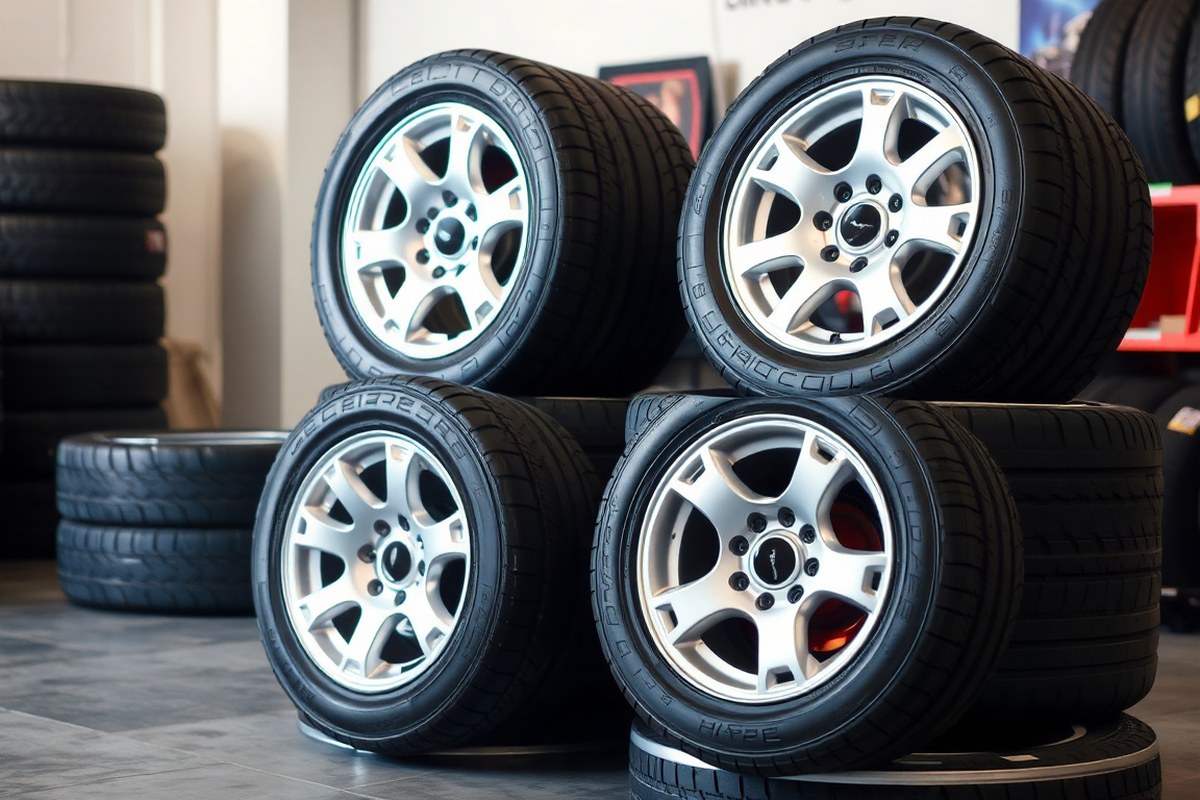
Tires usually don’t come with rims when you buy replacements. Most people already have rims on their vehicle and only need new tires mounted on them. Selling tires and rims separately lets you choose each part carefully.
You can match them to your car and how you drive. This way works best for many drivers.
In rare cases, tires can come mounted on rims if you buy special package deals. These bundles often appear in promotions or for custom wheels. But this isn’t common for everyday tire purchases.
When you find a used tire with a rim, check it well. Make sure the rim fits your car’s bolt pattern. Also check the offset and hub size before buying.
Remember, cars with special tires, like BMW or Mercedes run-flats, need separate tire and rim purchases. It’s common to buy each part on its own. That’s how most of these tires are sold.
Buying rims with your tires makes sense only when upgrading your look or replacing worn wheels. You can often save money by buying just the tire.
Then mount it on your current rims at a shop. This is cheaper if your rims are still good.
What Are the Differences Between Tires, Rims, and Wheels?
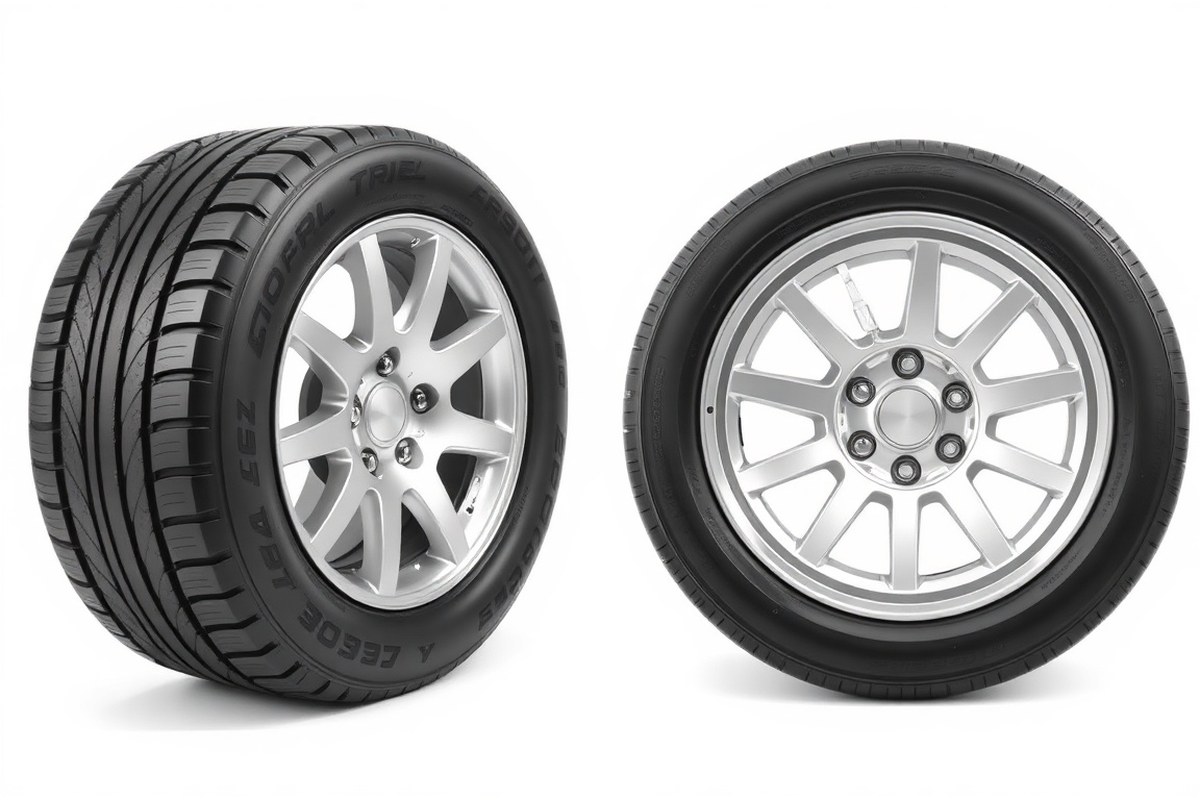
Tires, rims, and wheels are often mixed up but mean different things. Tires are the rubber parts that touch the road. Rims are metal rings holding the tires.
Wheels include both tires and rims together. Each part has a different role and replacement schedule on your vehicle.
Definition and Function of a Tire
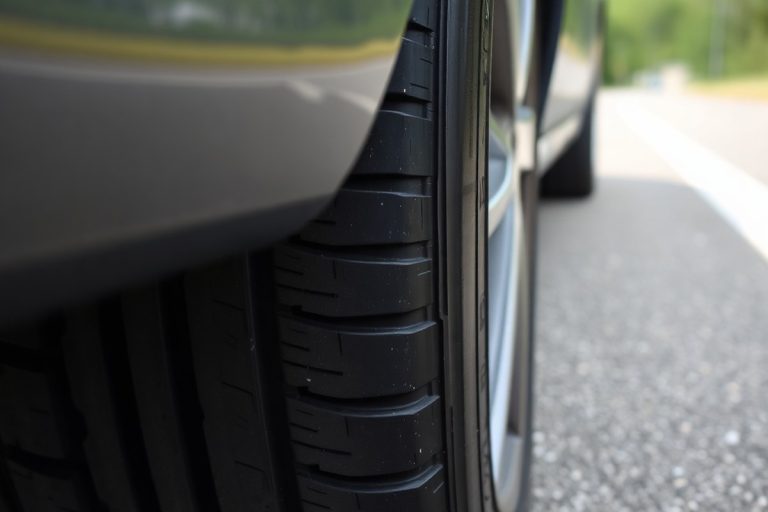
A tire is the rubber part that you see on the road. It provides traction and absorbs shocks from uneven surfaces. Tires also support the vehicle’s weight and protect the rim from damage.
Tires wear out based on tread depth, age, or damage. You replace tires every 3 to 6 years. Or after about 25,000 to 50,000 miles.
It depends on the tire type and how you use your car. Proper tire choice affects your car’s grip, fuel economy, and safety.
What Is a Rim?
The rim is the metal or alloy ring inside the tire. It holds the tire in place and attaches the tire to the wheel assembly. Rims come in different diameters, widths, designs, and finishes to fit various vehicles and tire sizes.
Unlike tires, rims can last many years if not damaged by corrosion, bends, or impacts. Some rims get replaced due to damage or an upgrade to fit larger or different tires. Rims are critical because they provide structural support for your tire’s air pressure.
Wheel as a Complete Assembly
A wheel is the entire unit that includes the tire mounted on a rim. This assembled package bolts to your vehicle. The wheel is what turns and supports the vehicle while driving.
Many car owners keep their wheels after changing tires. This works if the wheels stay in good shape. The new tires must fit the wheels well.
Wheel-and-tire packages are sometimes sold together for convenience or upgrade. Most new tires you buy do not include rims or wheels unless noted.
Always check rim diameter, width, and bolt pattern to ensure a proper fit before mounting tires.
Why Are Tires and Rims Usually Sold Separately?
Tires usually don’t come with rims because most people replace tires more often than rims. Rims from the original vehicle can last many years if they aren’t damaged. This makes it cheaper and easier to buy new tires alone when yours wear out.
Vehicles come with many rim sizes and styles. Selling tires separately lets you pick the right size and design for your car. It also gives you more options to customize your wheels without changing tires each time.
Buying tires and rims separately saves you money. Rims can cost hundreds of dollars, so reusing your existing ones cuts expenses. Packages that include both can speed up installation but usually cost more overall.
Replacing rims only makes sense if yours are bent, cracked, or rusty. Worn rims can cause safety problems like sudden blowouts or poor tire sealing. Inspect rims regularly for dents or corrosion to prevent issues.
Make sure your new tires match your existing rims’ size and type. Incorrect sizes can cause unsafe driving and poor performance. Check your owner’s manual or door sticker for recommended tire and rim dimensions before buying.
How to Read Tire and Rim Sizes for Proper Fit
Tire sizes include numbers that help you know if a tire fits your rim. The rim diameter on the tire must match the rim size exactly. The rim width should fall within the tire maker’s approved range for that tire.
Understanding Tire Width, Aspect Ratio, and Diameter
Tire width is the first number in the size, given in millimeters. For example, a 225/65R17 tire is 225 mm wide from sidewall to sidewall. The aspect ratio, the second number, is the sidewall height as a percent of the width.
In 225/65R17, the 65 means sidewall height is 65% of 225 mm. That equals about 146 mm tall.
The last number, 17, is the rim diameter in inches that the tire fits. Aspect ratio matters because it affects the tire’s height and ride comfort.
Matching Tire Size to Rim Diameter
The tire’s rim diameter must match your rim diameter exactly. This ensures the tire fits properly on the rim.
Putting a tire on a smaller or larger rim risks poor fit and unsafe driving. For example, a 17-inch tire fits only a 17-inch rim, no exceptions.
The rim width is more flexible. But it must stay inside the tire maker’s allowed width range.
This ensures the tire seals tightly and performs properly. A 225/65R17 tire usually fits rims from 6 to 8 inches wide, depending on manufacturer specs.
Compatibility Checklist for Tire and Rim
Check that the tire’s rim diameter matches your wheel’s diameter exactly. Confirm the tire width fits within your rim’s width range specified by the manufacturer. Look at aspect ratio to understand the sidewall height and overall tire size.
Double-check load and speed ratings to ensure they meet your vehicle’s needs. Have a tire shop mount and balance tires on rims for $15 to $45 each.
This helps you avoid fit and vibration problems. Proper fit means better handling, safer driving, and longer tire life.
Costs of Tires and Rims: What to Expect Separately and Together
New tires generally cost between $50 and $300 each. Rims have a wider range; basic ones start around $100 per rim. High-end models can cost $1000 or more each.
Mounting and balancing increase the total cost by $15 to $45 per tire. The exact price depends on the shop and your vehicle type. These services add up when you buy new tires.
Mounting means installing the tire onto the rim. Balancing ensures even weight around the wheel. Both steps are necessary for smooth driving and tire longevity.
Some retailers bundle these services with the tire price. So check if mounting and balancing are included before comparing prices.
| Aspect | Typical Price | Considerations |
|---|---|---|
| Tire Cost | $50 to $300 per tire | Depends on brand, size, and quality |
| Rim Cost | $100 to $1000+ per rim | Basic to premium styles and materials |
| Mounting and Balancing | $15 to $45 per tire | Required for proper fit and ride quality |
| Tire and Rim Packages | Varies; often discounted | Includes mounting, balancing, sometimes hardware |
| Long-Term Maintenance | Varies | Rotation, alignment, balancing over time |
Buying tires and rims as a package can save you money overall. These bundles often include mounting, balancing, and even hardware like valve stems or lug nuts.
You avoid paying mounting fees every time you swap tires. Plus, having two sets of wheels extends tire life by splitting wear across seasons.
Going with single tires and rims is fine if your rims are good. Your current rims must fit your vehicle properly. This option can save you some money.
Just budget for each cost separately. Compare full package prices versus buying parts individually to find the best deal for your situation.
Check if mounting and balancing are included when comparing tire prices to avoid surprises at checkout.
When Should You Buy New Rims with Your Tires?
Buy new rims with tires mostly when your rims are damaged or you want better performance. Safety or handling can suffer with old, bent, or corroded rims. You might also upgrade rims for style or special driving needs.
Signs of Worn or Damaged Rims
Look for visible bends, cracks, or corrosion on your rims. These problems can cause air leaks or uneven tire wear. Cracked rims especially risk sudden tire failure, which is unsafe.
Check for vibration or pulling when driving, as this can mean rim damage. Regular inspections during tire changes help catch issues early. Replace rims if damage is too severe to fix or affects tire mounting.
Upgrading Rims for Performance or Style
Changing your rims can improve handling by reducing weight with alloys. Lighter rims cost more but can boost acceleration and brake response. Mid-range alloy wheels run about $150 to $300 each and suit style upgrades.
Some drivers swap rims for a fresh look or bigger sizes that fill wheel wells better. Bigger rims need low-profile tires, which might feel harsher to ride. Keep wheel and tire sizes compatible to avoid speedometer errors or clearance problems.
Compatibility Considerations When Swapping Rims
Rims must match your vehicle’s bolt pattern, offset, and diameter exactly. Using the wrong specs can cause safety issues or damage suspension parts. Check vehicle manuals or ask a tire shop for exact fitment data.
Check that your new rims fit the tires you plan to use. Buy matching tire and rim packages for the best fit and performance. This avoids fitment issues and extra costs later.
Winter sets often come with specific rims, like steel wheels. These steel wheels typically cost $40 to $80 each.
This is common for winter tire packages. Always confirm load and speed ratings recommended for your vehicle.
Safety and Performance: Mounting Tires on Rims Correctly
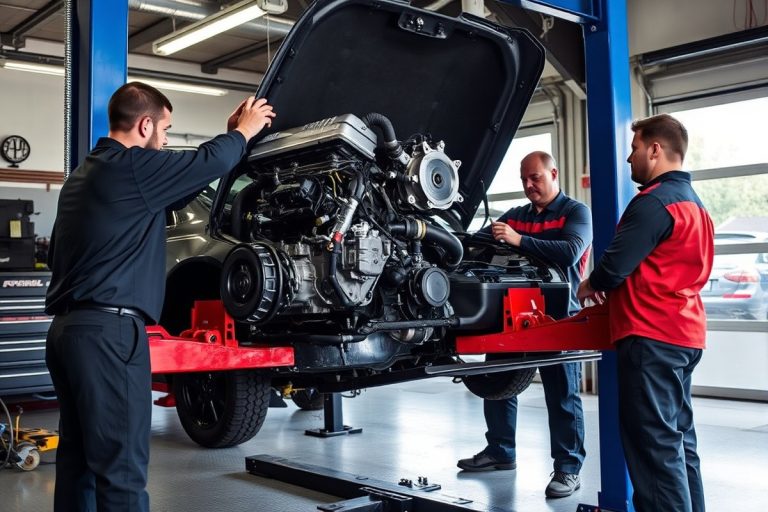
Mounting tires on rims needs careful work and the right tools. Proper mounting keeps the tire secure and prevents leaks or sudden failures. Balancing the tire after mounting avoids vibrations that cause uneven wear and uncomfortable rides.
Wrong tire and rim sizes or poor fit can cause big problems. The tire might not seal well against the rim, leading to air leaks. It can also impact vehicle handling and safety by affecting clearance and stability.
Here are key steps and tips to ensure proper mounting and fit:
- Check the rim for damage, rust, or bends before mounting tires.
- Match tire size exactly to the rim width and diameter specified.
- Clean the rim’s bead seat area to help the tire seal tightly.
- Use a professional tire mounting machine or proper hand tools. This helps avoid damage to the tire or rim. Protect your wheel by choosing the right tools.
- Inflate the tire to the correct pressure and check for air leaks around the bead.
- Balance the wheel to correct any heavy spots and ensure smooth driving.
- Inspect the tire bead for a firm, even fit without gaps or bulges.
Professional mounting and balancing usually cost about $15 to $30 per tire. Paying for this service helps avoid costly damage or safety risks later. Poor mounting or wrong fit can cause uneven tire wear.
It can also lead to sudden air loss or vibration. These issues affect your ride and safety.
To check fit and seal, inspect the tire’s bead all around. Make sure the bead looks even and snug on the rim. This ensures a proper seal.
Listen for any hissing that signals a leak after inflation. Spin the tire on the rim to check balance.
It should rotate smoothly without any wobbling or shaking. Good balance improves safety and ride comfort.
Maintaining Tires and Rims for Longevity and Safety
Tires should be rotated every 5,000 to 7,000 miles to promote even wear. Rotating tires helps them last longer and improves handling and braking. Check your vehicle’s owner manual for exact recommendations.
Cleaning rims regularly prevents dirt and brake dust build-up that cause corrosion. Use mild soap, water, and a soft brush or cloth. Avoid harsh cleaners or steel wool, as they can damage the rim’s finish.
Installing rim protectors lowers the risk of curb and road damage. Using tires with built-in rim protection also helps protect your rims. Both options help keep your wheels safer on rough roads.
Rim protectors cost around $20 to $50 per wheel and help keep rims looking new. Chrome-plated rims also resist rust if kept clean and dry.
Inspect tires monthly for cuts, bulges, or uneven wear that affect safety. Check tire pressure at least once a month or before long trips. Proper inflation boosts fuel efficiency and prevents premature wear.
Use a tire tread depth gauge to measure tread. Replace tires when tread gets below 2/32 inch to maintain grip and avoid hydroplaning. Worn tires increase stopping distance and lower driving safety.
When cleaning, dry rims immediately to prevent water spots and corrosion. Remove salt or chemicals in winter to protect metal surfaces. A regular wipe after driving in harsh conditions keeps rims shiny and strong.
Never use abrasive pads or harsh chemicals on rims. They strip protective coatings and speed up corrosion.
How to Choose the Right Tire and Rim Combination for Your Vehicle
Start by matching tire size to the rim and vehicle requirements. You must check the tire’s diameter, width, and aspect ratio.
Also, confirm the load and speed ratings suit your vehicle’s specs. Using the wrong size affects handling, braking, and safety.
Your driving style changes which tire and rim work best. Choose performance tires for sporty driving to improve grip and cornering. For rough roads, look for tires with stronger sidewalls and more tread depth.
Rim material matters too; alloy rims are lighter but cost more. Steel rims resist damage better but weigh more.
Avoid mixing different tire brands or types on one vehicle. Different tread patterns or rubber compounds can unbalance the ride and reduce control.
Stick to one brand and model for all four tires. It keeps your car stable and safe, and tires wear evenly.
Include proper accessories when getting new tires fitted on rims. Valve stems and balancing weights are essential for correct inflation and smooth riding.
Mounting lubricant helps protect tires from damage during installation. Installation costs usually add $15 to $40 per tire depending on the shop.
You can budget better by buying tires and rims separately. This lets you pick options that fit your needs and wallet. Splitting the purchase can save you money in some cases.
Tire and rim packages from specialty stores sometimes offer better deals or custom combos. Consult a tire professional to get advice on what fits your vehicle and driving habits best. They can save time and avoid costly mistakes.
Damage to rims often happens with road salt, poor tire fit, or heavy vehicle use. Low profile tires look sharp but increase rim vulnerability.
Considering these risks helps when choosing how durable your rims need to be. Balancing cost with performance and longevity gives you the best value for your money.
Step-by-Step Action Plan for Buying and Maintaining Tires and Rims
Follow these steps to choose the right tires for your vehicle. Then, pick matching rims that fit well. Finally, keep both your tires and rims in good shape.
- Before Buying: Check your vehicle’s manual for tire and rim size. This ensures you get the correct fit.
- Purchase Time: Decide if you need new rims with the tires. Choose rims that match your driving needs and budget.
- Installation Day: Have a pro mount the tires on rims properly. Confirm the balance and no leaks by test driving briefly.
- First Month: Check tire pressure weekly. Adjust to the recommended psi to avoid uneven wear and poor performance.
- After 3 Months: Inspect tires and rims for damage or unusual wear. This helps catch problems early.
- Every 6 Months: Rotate your tires according to your vehicle’s schedule. This extends tire life evenly.
- Yearly: Get a professional wheel alignment check. Proper alignment keeps handling safe and tires lasting longer.
- When Replacing: Buy tires and rims suited to your climate and driving style. Matching them means better safety and comfort.
Frequently Asked Questions
Do Tires Come with Rims When You Buy New Tires?
New tires rarely include rims since rims match many car models and styles.
Can I Buy Tires Pre-Mounted on Rims?
Yes, some tires come pre-mounted on rims in package deals. This option is rare and depends on the seller or shop.
Are Used Tires Often Sold with Rims?
Sometimes used tires come with rims, but the rims must match your vehicle’s specifications. Check bolt patterns and size carefully.
Will Run-Flat Tires Come with Rims?
No, run-flat tires don’t come with rims when replaced. You still buy tires separately and mount them on your existing rims.
Does Buying New Rims Improve Tire Performance?
New rims can improve vehicle style and handling but don’t affect tire tread or wear. Match rims to tires for safety and fit.
Before You Go
Tires usually don’t come with rims unless you buy complete wheel packages. Choose rims when you need better performance or style. Start by checking your current tire and rim sizes before shopping.