
Can You Overfill Your Gas Tank? What Happens and How to Fix It Safely
Yes, you can overfill your gas tank, but it’s not a good idea. Gas pumps usually stop filling when your tank is about 95% full. This space lets fuel expand safely and prevents spills and pressure issues.
Filling past the automatic shut-off can push liquid fuel into parts meant for vapor only. This may set off your check engine light or harm the EVAP system. Avoid topping off after the pump clicks off to prevent damage and costly repairs.
Overfilling can also harm the charcoal canister that captures fuel vapors. A soaked canister reduces fuel efficiency and increases emissions. It may eventually need replacing, which can cost hundreds of dollars.
Don’t drive far at highway speeds right after overfilling. Let your tank settle to burn off excess fuel and reduce pressure. Watch your dashboard for warning lights that could signal problems.
Key Takeaways
- Stop fueling once the pump automatically shuts off to avoid overfilling.
- Overfilling risks fuel entering the EVAP system meant for vapor only.
- Driving at highway speed for 20 to 30 minutes can help clear excess fuel.
- Watch for check engine lights with codes like P0456 and P0441 after filling.
- Quickly scan for EVAP system codes if the check engine light appears.
- Replacing a damaged charcoal canister from overfilling costs between $300 and $800.
Can You Overfill Your Gas Tank and How It Happens
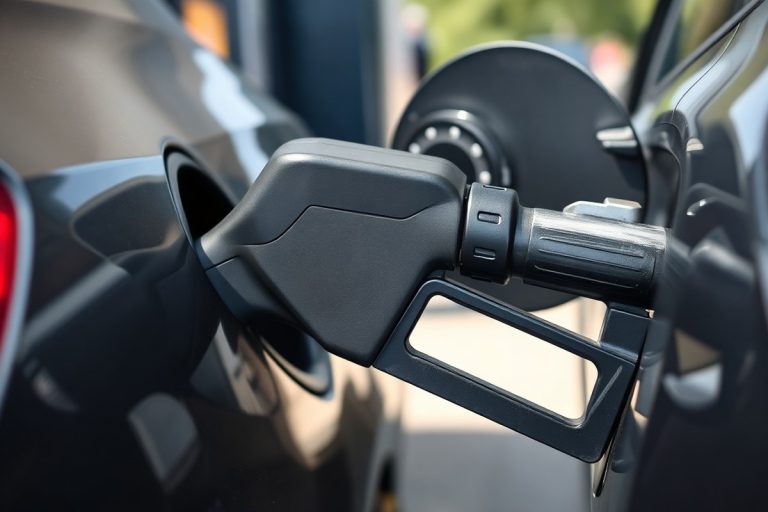
Yes, you can overfill your gas tank, but it usually requires extra carelessness. The gas pump nozzle shuts off automatically when the tank fills. It stops fuel from flowing further.
This prevents overfilling your tank. This system senses gas backing up in the filler neck.
It clicks off automatically to avoid spills. This keeps fueling safe and clean.
Sometimes, the nozzle or handle may fail to stop. It can happen if the nozzle malfunctions. Holding the handle down again can also cause this.
For example, starting to pump after the nozzle clicks can be risky. It can push extra fuel into the tank.
This leads to overfilling problems. This extra fuel can spill or cause damage to your vehicle’s evaporative emissions system.
Common mistakes include ignoring the nozzle’s automatic click. Topping off after shutoff causes overfill. Lifting the nozzle early, then pushing it back, also causes issues.
Some drivers try to fill as much gas as possible, ignoring the shutoff. Others may use faulty or old pumps that don’t respond correctly.
The automatic shutoff usually works well each time. You should stop pumping as soon as the click happens. This helps avoid overfilling your tank.
Continuing to pump can spill gas around the tank opening. Spilled fuel creates a fire risk and can damage your car’s fuel system over time.
Overfilling might happen more often if you fill your tank quickly at busy gas stations. Drivers are sometimes in a hurry or distracted, which leads to ignoring the pump’s stop signal. Smaller fuel tanks need more careful attention.
They fill faster than bigger tanks. You might not notice when to stop filling.
Stay focused while fueling by keeping a steady hand on the pump. Stop immediately when you hear the nozzle click off. This prevents spills and overfill.
The click does not happen, stop pumping right away. Check the nozzle for blockage or use an alternate pump. Avoid forcing more fuel without the shutoff.
The gas keeps flowing, the pump might be faulty. In that case, stop immediately and find another pump to avoid overfilling.
What Happens When You Overfill a Gas Tank
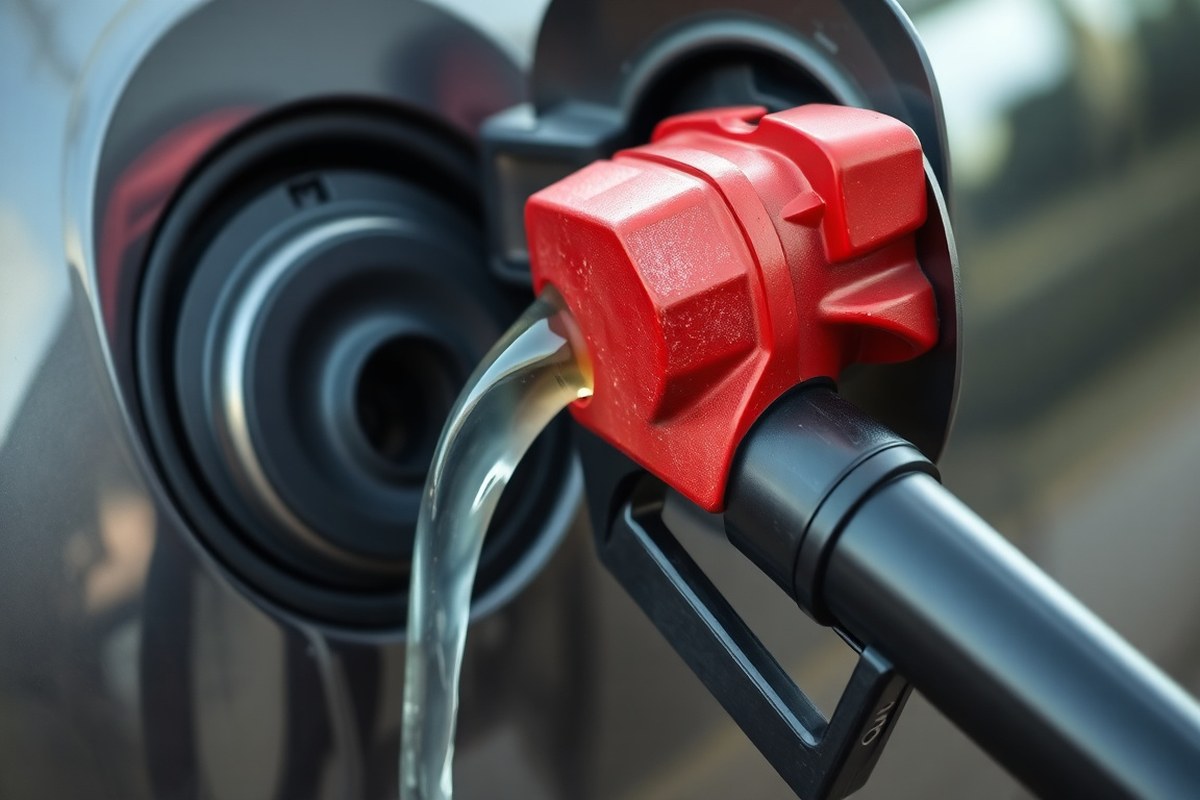
Overfilling your gas tank means pumping more fuel than the tank’s designed capacity. This extra fuel can spill out onto your car’s exterior.
When gasoline spills and isn’t cleaned fast, the paint can blister. This damage looks bad and lowers your car’s value.
Besides paint damage, spilled fuel is a fire risk and harms the environment. Gasoline evaporates quickly, releasing harmful vapors that pollute the air.
These vapors can trigger your vehicle’s evaporative emissions system. This system handles only a certain amount of vapor.
When the tank is overfilled, the extra liquid takes up space meant for fuel vapors. This reduces the vapor space, causing pressure to build inside the tank.
Higher pressure strains the fuel pump. Sometimes fuel gets forced into parts not made for liquid, like the charcoal canister.
Pressure strain might force gas through the fuel rail, flooding the engine cylinders. That can cause hard starting, rough running, or even damage engine parts over time.
One overfill might not cause big problems right away. But doing it often raises repair risks and costs.
Stop pumping when the nozzle clicks off the first time. This helps avoid spills and pressure issues.
Spilled gasoline that drips onto the ground is a pollutant and a safety hazard. Cleanup costs time and money, and accidental spills might violate local environmental laws.
Fill the tank slowly to reduce risks. Don’t top off after the pump shuts off by itself.
After overfilling, you might notice a strong smell of gasoline near your car. That smell means vapors are trapped and escaping, which also indicates excess fuel inside the tank.
Running the engine burns off extra fuel. This lowers pressure and clears vapors safely through the exhaust.
How Overfilling Damages the EVAP and Fuel Systems
Overfilling your gas tank pushes liquid fuel into the EVAP system. This floods the charcoal canister and blocks normal vapor flow. It stops the system from trapping fuel vapors properly, causing damage and emissions problems.
Role of the Charcoal Canister in Fuel Vapor Control
The charcoal canister captures fuel vapors that escape the tank. It holds the vapors until the engine runs and burns them safely. This system reduces pollution and prevents smelly fumes from leaking out.
The canister is filled with activated charcoal that absorbs gasoline vapors. When the engine starts, valves open to let air pass through the canister. This air pulls vapors into the engine to burn them instead of letting them escape.
How Liquid Fuel Saturation Causes System Failure
When you overfill, excess liquid gasoline soaks the charcoal inside the canister. The charcoal can’t absorb liquid fuel well, so it becomes saturated and ineffective. This buildup blocks vapor flow and traps liquid fuel where it shouldn’t be.
Fuel can also flood valves and lines connected to the canister. Excess liquid damages these parts and causes leaks or malfunctions.
Fixing or replacing the canister and valves costs several hundred dollars. The total depends on your car model.
Air and Vapor Space Function in Normal Tank Operation
Your gas tank needs empty space for fuel vapors and air to expand. This space prevents pressure build-up when fuel heats or sloshes during driving. The EVAP system vents and captures these vapors to stop leaks.
Overfilling reduces this vapor space, leaving less room for expanding fuel. That forces vapors into the EVAP system as liquid fuel, causing damage. It also disrupts air intake and reduces fuel efficiency, leading to starting and acceleration issues.
Signs Your Vehicle Has Been Harmed by Overfilling
Overfilling your gas tank can cause several symptoms showing your vehicle might be harmed. The check engine light often comes on due to an EVAP problem.
Too much fuel gets into parts like the charcoal canister. This triggers the fault and lights the warning.
You might notice a strong fuel odor around the vehicle. This smell means fuel vapors escaped the tank or the EVAP system. Rough idling or slow acceleration often happens with purge valve failure.
The engine may run rich from too much fuel. These cause common performance problems in your car.
- Check engine light illuminated, often steady or flashing
- Fuel or gasoline smell near the gas tank or engine
- Rough idle or engine stalling at low speeds
- Lower fuel efficiency or hesitation on acceleration
- Dashboard warnings related to emissions system
- Fuel leaks or wet spots under the vehicle
These signs may appear just days after overfilling your fuel tank. Sometimes the signs show up later if leaks develop slowly. Keep an eye out for any delays.
A scan with an OBD-II tool usually shows EVAP system trouble codes. These codes appear when the check engine light turns on. Common error codes are P0440, P0446, and P0455.
They mean EVAP system trouble, vent control issues, and big EVAP leaks. Your scan tool will list these codes.
| OBD-II Code | Meaning |
|---|---|
| P0440 | EVAP System Malfunction |
| P0446 | Vent Control Circuit Failure |
| P0455 | Large EVAP Leak Detected |
| P0172 | System Too Rich (Excess Fuel) |
When the engine runs rich, tough internal damage might happen if ignored. This can lead to more severe engine or system repairs and cost hundreds to fix. Flashing check engine lights warn you to act right away.
This means the engine might be misfiring or getting damaged. Don’t ignore this signal on your dashboard.
Immediate Steps to Take If You Accidentally Overfill
Stop fueling immediately once you notice an overfill. Avoid starting your engine right away and take quick action to handle any fuel spills. Follow these steps to minimize risk and prevent damage.
Step 1: Stop Pumping and Do Not Add More Fuel
Hear the click or feel resistance in the pump hose? That means the tank is full. Stop fueling immediately.
Don’t add extra gas to “top off.” Doing that can cause problems.”
Pushing fuel beyond this point risks spilling gas and harming your car’s fuel system. The nozzle’s automatic shut-off is designed to prevent overfilling. So trust it and avoid forcing more fuel in.
Step 2: Clean or Contain Spilled Gasoline Carefully
Check for any spills on your vehicle’s paint or on the ground. Gasoline can damage paint and is highly flammable, so clean it up quickly.
Use store paper towels or cloth to blot spills on the car. For ground spills, use absorbent pads or sand if available. But don’t try to rinse it down with water.
Step 3: Inform Gas Station Staff If Spill Occurs
Spill more than a few drops? Tell a station attendant right away. Spilled fuel creates a fire hazard and the staff can alert others.
They might also move your car or block off the area. This is required by safety rules and helps keep everyone safe at the station.
Step 4: Wait Recommended Time Before Driving
Don’t start the engine right after an overfill. Wait at least a few minutes to let extra fuel settle back into the tank.
This reduces pressure on your fuel system and lowers the risk of vapor buildup. The waiting time helps your gas tank adjust safely to the overflow.
Step 5: Monitor Vehicle Behavior After Starting
Once you start the car, watch for any smells or strange noises. Overfilling can cause fuel to enter the EVAP system, causing check engine lights or rough idling.
Notice odd behavior? Take your vehicle to a mechanic for a check soon. Early signs can help prevent costly repairs later.
- Stop pumping immediately once the pump clicks off.
- Avoid pumping extra fuel after the first shut-off.
- Wipe any fuel off the car’s paint with a dry cloth.
- Use absorbents for spills on the ground; don’t rinse.
- Inform the gas station staff about any spill.
- Wait 5 minutes before turning your car on.
- Start the engine and listen for unusual sounds.
- Seek mechanic advice if the vehicle drives oddly.
Never ignore spilled fuel; even small amounts can cause fire risks and damage. Always clean and alert station staff immediately.
Is It Safe to Drive with an Overfilled Gas Tank?
Driving immediately after overfilling your gas tank is usually unsafe. Overfilling pushes extra fuel into the EVAP system, which can cause leaks or damage. These issues might lead to fuel odors, engine problems, or even fire hazards while driving.
Check your vehicle’s fuel gauge and the nozzle for any visible spills. When fuel drips or you smell gas strongly, wait 10 to 15 minutes. This pause lets excess vapors settle and reduces pressure in the tank before you start driving.
Watch for warning signs. Check engine light on, strong fuel smells, or sputtering. Look for these during your first few miles.
These symptoms may mean overfill damage occurred. Stop driving if they appear and have your vehicle inspected by a mechanic.
Nothing unusual means you can usually drive safely within 15 minutes. Don’t top off the tank beyond the first automatic shutoff at the pump. Leaving space in the tank stops overfill risks.
It also protects your fuel system. This helps it last longer.
Assess risks with three quick questions: Did fuel spill outside the tank? Is there a lingering fuel smell? Does your car run smoothly after starting?
Say yes to any signs? Delay driving and get professional help right away.
Say no to all signs? A short wait and normal driving are usually fine.
Taking early action avoids costly repairs to your vehicle’s EVAP system or fuel pump. Fixing these problems often costs hundreds of dollars.
Being cautious after overfilling costs less than fixing fuel leaks. It also avoids engine troubles later.
Repair Costs and Diagnosing Overfill Damage
Repair costs for damage caused by overfilling your gas tank vary. Most often, problems strike parts of the EVAP system, like the charcoal canister.
Replacing this part may cost from $300 to $800 or more. The price depends on your car model and local labor rates.
Other parts might include fuel lines or sensors. But these usually cost less than the canister.
Shops usually charge more for finding slow leaks or pressure issues. These problems sometimes come from fuel tank overfilling.
| Component | Typical Repair Cost |
|---|---|
| Charcoal Canister | $300 – $800+ |
| Fuel Lines | $100 – $300 |
| EVAP Pressure Sensor | $150 – $250 |
Mechanics diagnose overfill damage by checking EVAP system pressure and fuel vapor leaks. They start by scanning the car’s computer for error codes. Then they test system pressure with special tools during idle and purge cycles.
Next, they inspect the charcoal canister and fuel lines for fuel contamination or cracks. A smoke machine may be used to find leaks. This step takes about an hour or two in most shops.
- Scan engine codes with a diagnostic tool.
- Test EVAP system pressure and check for leaks.
- Inspect charcoal canister and fuel lines for fuel damage.
- Use smoke test to find hidden vapor leaks.
DIY fixes for overfill damage don’t usually work well. Cleaning or swapping out parts like the canister involves special tools and experience. Most people should leave repairs to licensed mechanics to avoid mistakes and running up bigger bills.
Ignoring damage can cause your check engine light to stay on and raise emissions. That can lead to failed inspections or worse repairs later.
Common Myths About Topping Off Your Gas Tank
Topping off your gas tank seems like a smart way to save money. You think you get more fuel that way. It feels like a good deal.
The truth is, it doesn’t save money and can harm your vehicle. Many drivers still do it, but it can cause expensive damage and waste fuel.
Myth: More Fuel in Tank Equals More Miles for Less
Many believe topping off your tank adds a few extra miles on the road. You might believe filling past the first shutoff gives more gas. It seems like extra fuel without extra cost.
But that is not true. This idea makes sense to most drivers at the pump.
However, the gas pump stops when your tank is full to prevent overfilling. Adding more beyond this point doesn’t store extra usable fuel. The small extra gas you add often spills out.
It might evaporate before it stays in your tank. So you waste fuel.
Fact: Overfilling Risks Expensive Damage and Wasting Gas
The nozzle clicks when your tank is full. Adding more pushes liquid gas into the filler neck. That can cause problems.
That excess fuel doesn’t actually improve mileage or save money. Instead, it can harm your car’s emission control system and fuel system components.
Here’s what overfilling does:
- Lets fuel overflow into areas not meant to hold liquid
- Increases pressure on the evaporative emissions (EVAP) system
- Causes malfunction in fuel vents and valves leading to leaks
- Damages components like spark plugs and catalytic converters over time
- Raises risk of fuel spills that damage paint or soil
- Wastes fuel through evaporation from the filler neck
Costs related to these repairs can easily add up to hundreds of dollars. So the small gain you think you get is lost in damage expenses.
Manufacturer Warnings and Why They Exist
Car makers advise never to top off your gas tank. This is not just caution. But based on tests showing how overfilling affects vehicle systems.
The EVAP system is designed to capture fuel vapors to reduce pollution. But it can’t handle liquid fuel.
Adding fuel past the auto shutoff floods this system, causing leaks or failures. Many service manuals warn drivers against topping off. Fixing these problems is often complex and expensive.
It can need replacing spark plugs or rebuilding the EVAP system. That costs time and money.
Ignoring these recommendations increases your risk of mechanical failures that hurt your car’s performance and emissions. Repeated topping off also wears out the fuel filler neck’s seal, leading to fuel seepage.
Environmental Impacts of Topping Off
Topping off may seem harmless, but it harms the environment. Overfilled fuel evaporates, releasing volatile organic compounds (VOCs) that contribute to smog and air pollution. This also wastes gasoline that you pay for but never actually use.
Spills from overfilling can leak into storm drains or soil, causing pollution. Fuel vapors can escape where the gas cap is loose. Extra gas in the filler neck causes this gap.
Vapors leak out there. These effects add to air pollution and waste resources.
Stop filling as soon as the pump clicks. Avoid the urge to add more fuel.
To avoid topping off, fill your tank slowly and listen closely to the pump click. Stop right away if you miss tightening the gas cap.
Replace the cap and make sure it’s tight. Regular checkups can catch any damage from past overfilling before it worsens.
How to Prevent Overfilling Your Gas Tank Safely
Stop filling your tank as soon as the pump clicks off automatically. That click means the gas tank is full.
The sensor inside the nozzle detected fuel backup. Adding more fuel after the click risks damaging your vehicle’s evaporative emission system.
Park close enough to the pump so the nozzle fits fully. Hold the nozzle steady while fueling. Partially inserted nozzles may confuse the sensor, leading to overfilling.
Look in your owner’s manual to find your fuel tank size. Don’t guess how much gas to add.
Different vehicles have different tank sizes and fill limits. Some modern cars have tanks that hold 12 to 18 gallons.
Smaller cars might hold just 10 gallons. Follow any special fueling instructions found inside the fuel door or owner’s guide.
- Watch the pump handle and listen for the automatic shutoff click.
- Don’t squeeze the nozzle trigger after the first shutoff.
- Slow down the flow rate when the pump nears that automatic stop.
- Stop fueling immediately when the pump doesn’t click off or fuel spills.
- Check your fuel gauge before starting to fuel and pause near full.
- Refer to your vehicle’s fuel tank capacity to estimate fill level.
- Try a different pump if you suspect the sensor is faulty or noisy.
Stop fueling right away if the pump never clicks off or adds fuel nonstop. Report the problem to the station and use another pump or station. A faulty air pressure sensor inside the pump can fail to detect a full tank.
Look at your fuel gauge as you fill. It usually rises steadily but slows near full.
Don’t rely on the gauge alone since it can lag behind the actual tank level. The pump’s automatic cutoff is your best guide to stop topping off safely.
Step-by-Step Action Plan for Handling an Overfilled Gas Tank
Follow these steps to address an overfilled gas tank quickly. Each will help you avoid damage and stay safe.
- Right after overfilling: Stop adding gas as soon as the pump clicks off. This prevents extra fuel from entering the tank.
- Within a few hours: Avoid driving aggressively or at high speeds. This lowers pressure buildup inside the fuel system.
- Day 1: Check for fuel smells or leaks around your car. No smell or leaks means no immediate harm.
- Within 2 days: Have your mechanic inspect your EVAP and fuel caps. Replaced or tightened caps fix common overfill risks.
- Within 1 week: Monitor your check engine light. When the light stays off, your fuel system likely managed the overfill.
- After 1 week: Check if the light is still on. Smelling gas means you should schedule a full fuel system diagnosis. Early fixes prevent worse damage.
- Ongoing: Always stop refueling right at the first automatic pump shutoff. This avoids repeats of overfilling.
Frequently Asked Questions
Can You Overfill Your Gas Tank by Topping Off?
Yes, topping off after the nozzle shuts off can overfill your tank. This wastes fuel and risks damage to the EVAP system.
Is It Dangerous to Overfill Your Gas Tank?
Overfilling can cause fuel leaks or EVAP system damage, which affects safety and emissions. It’s best to stop when the pump clicks off.
Will Overfilling a Gas Tank Void My Car Warranty?
Overfilling itself usually doesn’t void your warranty, but damage caused might not be covered. Check your vehicle’s warranty terms to be sure.
How Does Overfilling Affect Fuel Economy?
Overfilling can reduce fuel efficiency by damaging the EVAP system that controls fuel vapors. Repairing it can restore normal mileage.
Can Overfilling Cause My Check Engine Light to Come On?
Yes, overfilling can saturate the EVAP system, triggering the check engine light. Diagnostic tests can confirm the cause.
Wrapping Up
Overfilling your gas tank can cause damage, but careful steps reduce harm. Check your fuel system soon after an overfill to catch issues early. Your next move should be to avoid topping off to keep your car safe and reliable.
2 Comments